Introduction
Platelet-rich plasma (PRP) is an increased concentration of autologous platelets suspended in a small amount of plasma after centrifugation and used for injection into a wound or a particular skin condition. Platelet-rich plasma is also called autologous platelet gel, plasma rich in growth factors (PRGF), and platelet concentrate (PC). Blood normally consists of approximately 93% red blood cells (RBC), 1% white blood cells (WBC) and 6% platelets, suspended in plasma. The normal platelet count range is 150,000-350,000 per µL of blood. Platelets are probably best known as components of the blood clotting system. PRP requires no special considerations regarding antibody formation, effectively preventing the risk of graft vs. PRP effects soft tissue healing via growth factors released after platelet degranulation. Sterile technique must be used at every stage of PRP preparation and application. When administered by intradermal injection, a brief period of inflammation at wound sites may be experienced.
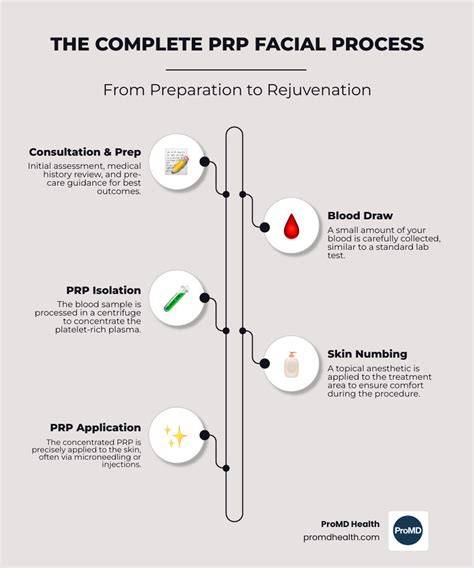
Used for: skin rejuvenation, under-eyes, acne scarring, fine lines, hair restoration and overall skin quality. PRP is an autologous treatment using your own blood. After processing, the platelet-rich plasma is re-injected or microneedled into the skin to stimulate collagen production, improve skin quality, and support tissue regeneration.
What PRP does for the skin
PRP injections have been used for decades to help athletes heal from injuries. In cosmetic dermatology, the growth factors stimulate fibroblasts, which are cells in the skin that produce collagen, contributing to rejuvenation and improved skin texture. The treatment may be combined with microneedling to enhance dermal and epidermal collagen production, potentially yielding better results than either approach alone. Recovery from a PRP facial is brief, with redness fading in a few hours and minor swelling for a couple of days. A full course is typically three treatment sessions spaced eight weeks apart, with maximum improvement occurring several weeks after completing all sessions.
Who might benefit
PRP facials work best when the skin still has a fair amount of collagen. They are used for facial rejuvenation, under-eye treatment, acne scarring, and overall skin quality enhancement. Athletes have long used PRP to promote tissue repair, and this experience has translated into cosmetic use as a natural option since PRP uses the patient’s own plasma, lowering the risk of adverse immune reactions.
How PRP is performed
In a typical PRP facial, a doctor draws 1 to 2 ounces of blood, which is then processed in a centrifuge to separate PRP from other blood components. The number of injections depends on the treated area; usually, a few dozen injections with a small needle are needed for optimal results. Some clinicians add microneedling by using a dermaroller coated with tiny needles to create shallow skin pricks, allowing PRP to enter more effectively. In some cases, practitioners combine injections and microneedling for broader stimulation of collagen production across both dermal layers and the epidermis.
Pre-treatment advice
- Avoid alcohol for 24-48 hours before treatment.
- Avoid aspirin, ibuprofen and other anti-inflammatory medications for 5-7 days prior (if medically safe).
- Avoid blood-thinning supplements (omega-3, turmeric, ginkgo, vitamin E) 5-7 days prior if safe to pause.
- Increase water intake 24-48 hours before treatment; well-hydrated blood improves PRP quality.
- Eat a light meal before the appointment; avoid fasting.
- Avoid intense exercise on the day of treatment.
- Avoid active skincare (retinol, acids, exfoliants) 3-5 days prior.
Post-treatment and aftercare
PRP works by stimulating a natural inflammatory healing response. The skin may be red initially, fading within hours, with possible minor swelling for a couple of days. A full course typically includes three treatment sessions spaced eight weeks apart, with improvement building as collagen production increases. The most noticeable improvements often appear several weeks after completing all sessions, though some patients report changes after the first session. PRP treatments are generally safe because they use the patient’s own plasma; however, there is always a risk of infection with any skin puncture procedure. A knowledgeable provider who customizes the treatment rather than performing it robotically is important for best outcomes.
Contraindications and safety considerations
- Absolute contraindications: Pregnancy or breastfeeding; active infection (local or systemic); active skin infection in the treatment area; blood disorders (e.g., platelet dysfunction); severe anemia; low platelet count (thrombocytopenia); current anticoagulant therapy that cannot be paused (warfarin, DOACs unless medically cleared); active cancer or undergoing chemotherapy; sepsis; chronic liver disease; hemodynamic instability; known clotting disorders; severe uncontrolled diabetes.
- Relative contraindications (require clinical assessment): Autoimmune disorders; immunosuppression; history of keloid scarring; recent steroid use; recent filler or toxin in the treatment area (within 2-4 weeks); recent laser or chemical peel (within 2-4 weeks); smoking (may reduce efficacy due to impaired healing).
Preliminary considerations and safety notes
Because PRP uses the patient’s own blood, it is generally safe and well-tolerated, with the infection risk minimized by sterile technique. There is an “art” to performing PRP therapy; selecting an experienced provider is important to avoid robotic, impersonal administration. Individual results vary, and evidence for cosmetic PRP continues to evolve with ongoing research and clinical experience.
Evidence and references
- Cervelli V, De Angelis B, Lucarini L, et al. Tissue regeneration in loss of substance on the lower limbs through use of platelet-rich plasma, stem cells from adipose tissue, and hyaluronic acid. Adv Skin Wound Care 2010; 23: 262-72.
- Cervelli V, Nicoli F, Spallone D, et al. Treatment of traumatic scars using fat grafts mixed with platelet-rich plasma, and resurfacing of skin with the 1540 nm non-ablative laser. Clin Exp Dermatol 2012; 37: 55-61.
- Cervelli V, Lucarini L, Spallone D, et al. Use of platelet rich plasma and hyaluronic acid on exposed tendons of the foot and ankle. J Wound Care 2010; 19: 188-90.
- Akhundov K, Pietramaggiori G, Waselle L, et al. Development of a cost-effective method for platelet-rich plasma (PRP) preparation for topical wound healing. Ann Burns Fire Disasters 2012; 25: 207-13.
- Park KY, Kim IS, Yeo IK, et al. Treatment of refractory venous stasis ulcers with autologous platelet-rich plasma and light-emitting diodes: a pilot study. J Dermatolog Treat 2013 Jun 27.
- Salcido RS. Autologous platelet-rich plasma in chronic wounds. Adv Skin Wound Care 2013; 26: 248.
- Shan GQ, Zhang YN, Ma J, et al. Evaluation of the effects of homologous platelet gel on healing lower extremity wounds in patients with diabetes. Int J Low Extrem Wounds 2013; 12: 22-9.
- Elghblawi E. Platelet-rich plasma, the ultimate secret for youthful skin elixir and hair growth triggering. J Cosmet Dermatol.
- Balcones Dermatology & Aesthetics notes on PRP safety and indications (case-based summaries and patient selection).