Samurai Jeans from Osaka, founded in 1997, stands at the forefront of heavyweight Japanese denim, celebrated for fast, dramatic fades and a design language as precise and striking as a katana. The brand’s ethos is summed up by representatives who say, “We try to make jeans that would be like a samurai blade, strong and reliable.”
From the selvedge silver thread woven into every pair to the deliberate nods to American classics, Samurai renders a bold, modern interpretation of denim heritage. The arches stitched in Indigo on the model 710, the special pocket linings on Jin series, and the carefully chosen blends of short and long fiber cotton all contribute to a denim character that ages with a visible, almost sculptural fade.
Denim philosophy and materials
For their classic heavy models, Samurai favors cotton with a short fiber, often a Texas and Australian blend, yielding a heterogeneous and rigidly twisted thread. At the same time, they also experiment with long‑fiber varieties. This approach yields denim with significant texture-slubby in places, with pronounced tonal contrasts as fading progresses. The density and fiber choice underpin the distinctive fade behavior Samurai jeans are known for.
The brand uses a spectrum of denims, including Kiwami (19oz), Zero (17oz-21oz), Otokogi (often noted for fast fading and strong texture), and Jin (with lining details that enhance embroidery depth). The denim textures range from heavily slubbed to smooth with subtle vertical stripes, always with a commitment to heavyweight feel and durable construction.
Key models and fits
The 710 silhouette remains the flagship outside Japan: modern yet comfortable, with a medium‑high rise and a slightly tapered leg. It suits a range of body types, from those seeking a looser fit to fans of a tighter, slimmer line. The 710 is frequently cited as a standout for its modern take on a classic shape, and it is commonly paired with Kiwami 19oz denim for bold fades.
The XX and Zero lines form the backbone of Samurai’s classic lineups. XX (often 19oz) exemplifies fast fading due to indigo density and the short‑fiber cotton blend, while Zero (17oz-21oz) emphasizes a balance of strength and fade dynamics with a somewhat slubbier texture and a lighter hand in the weave.
The Jin series introduces an embroidery‑rich aesthetic with pocket linings that create a volumetric effect as fades unfold. The patchwork and embroidery details, including references to Japanese culture, are designed to become more pronounced as wear deepens.
The 5000 family offers a broader, more generous straight cut with a mid to high rise, featuring a dense, dark indigo that fades with time to reveal contrast patterns and “nodules” characteristic of their short‑fiber cotton blends. The 5030, 500, and 5000 variants sit along this spectrum, providing mid‑weight to heavyweight options with varying degrees of taper and leg width.
Other notable silhouettes include 510, famed for its wide, balanced straight fit suitable for curvier figures, and the 003, a tightly tapered slim straight with a snug thigh and compact frame compatibility. The 0511 is described as a “grown‑up taper,” offering room in the thigh while tapering gently toward the ankle for an easy, comfortable wear with everyday versatility.
Fading behavior and care
Samurai jeans are renowned for their fast fading, particularly when made from Kiwami 19oz or Zero/XX blends. Fading translates not only into depth of color but into the visibility of stitch work, pocket arches, and patch details as the denim wears. The denim’s state of warp and weft, left‑hand twill in some variants, and the use of indigo dyes contribute to distinct fade patterns that denim enthusiasts chase over the life of a pair.
As with all unsanforized denim, expect some shrinkage-roughly 4-6%-upon first washing. The brand’s heavy fabrics are often chosen for their density because they fade with more dramatic, longer‑lasting contrast, offering a rewarding fade journey for dedicated wearers.
Samurai’s design language consistently borrows from American workwear and vintage Levi’s styling, but the execution remains unmistakably Japanese: heavy weight, strong silhouettes, and distinctive details such as painted back pocket arches or rivets styled to resemble old bolts, alongside subtle references to Lee via pocket shapes and vintage cues.
How to pick the right pair
When selecting a pair, consider your desired fade speed, fit, and the level of taper you want. If you crave a bold, high‑contrast fade with a roomy thigh, the S3000-VX family offers wide leg silhouettes for a dramatic look. For modern, clean lines with precise taper, the 003 or 0511 may be more appropriate, bearing in mind their snug thighs and tighter ankle opening. If you want a balance of modern straight with an easy wear, the 710 and 510 are excellent starting points.
Visiting a retailer to try on several cuts is highly recommended, as Samurai’s numbers and suffixes can be confusing. The first three digits generally indicate the cut family, while the suffixes (such as II for washed versions or AX for indigo‑dyed variants) signal special runs. Remember that all showcased fits are unsanforized and unwashed, so expect shrinkage and initial stiff texture that will soften with wear and washing.
Legacy and cultural resonance
Samurai Jeans stand out in the global denim scene as a bright, charismatic phenomenon with a deep heritage connection to Japanese culture. Their silhouettes balance the influence of Levi’s 40s and Lee pockets with modern Japanese detailing, making their jeans instantly recognizable to enthusiasts who value both history and forward design. The brand maintains a prolific calendar of limited editions and anniversary releases, underscoring its ongoing commitment to craft and innovation.
For those who want to explore the fades and details firsthand, Denimhunters highlights Samurai’s fade potential and model variations, while Indigo Invitational showcases illustrate how these heavyweight denims perform in competition-emphasizing the brand’s strength and fade capabilities as core strengths.
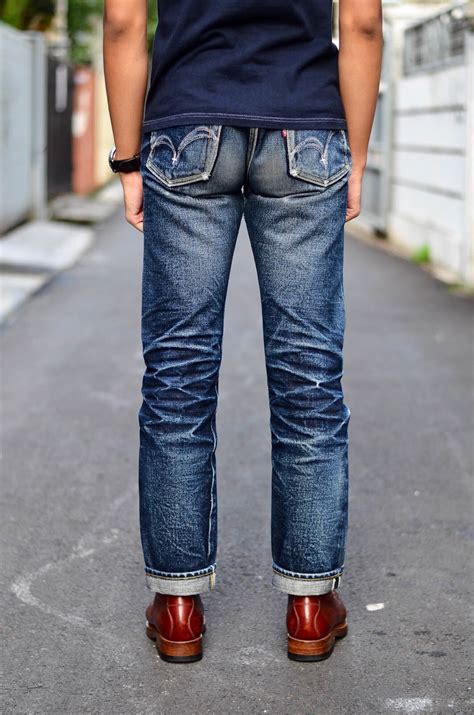
Infographics and photos can help visualize key fade trajectories, pocket arch details, and patch evolutions across popular models like XX, Zero, Jin, and 710.
《歴代》 "GOODBYE DENIM"
A short overview video can illustrate how creases form and fades progress across different denim weights and fits, providing a practical sense of the aging process.
In summary, Samurai Jeans represent a marriage of heavyweight denim, precise Japanese craftsmanship, and a reverence for denim heritage, all fused into modern fits that fade with character and grace.
- Understand your preferred fit: straight vs tapered, and how much room you need in the thigh.
- Choose a denim weight that suits your fade timeline: Kiwami for dramatic fades, Zero/XX for balanced aging, Otokogi for rugged texture.
- Consider the pocket and patch details that will emerge as fades develop, such as Jin pocket linings or Lee‑inspired pocket shapes.
| Model family | Denim weight | Notable feature | Typical fade characteristic |
|---|---|---|---|
| XX | 19oz | Heavy indigo, slubby texture | Fast fading, strong contrast |
| Zero | 17oz-21oz | Left‑hand twill, smooth with vertical stripes | Gradual, elegant fade |
| Kiwami | 19oz | Selvedge, iconic for fast fades | Very fast, dramatic contrast |
| Otokogi | various | Long fiber emphasis, traditional Japanese influence | Pronounced fading with long fibers |
| Jin | 17oz-> heavy variants | Pocket embroidery depth, lining details | Distinct visual textures as fades progress |