Sandy blonde is a balanced blonde shade that blends warm beige tones with cooler, ashy undertones to create a soft, neutral-leaning color. Natural sandy blonde hair typically sits just between blonde and light brown, like a classic bronde, but the hue can be brightened or deepened depending on preference. There are many ways to achieve the hue, from an all-over color to dimension through highlights or balayage.
What makes sandy blonde stand out is its versatility. It can be tailored to be warmer or cooler, brighter or more muted, making it flattering across skin tones and undertones. Whether worn as a full color, blended highlights, or a dimensional balayage, sandy blonde delivers that just-back-from-vacation glow-no plane ticket required.
Warm vs Cool Sandy Blonde: What You Need to Know
A classic sandy blonde features a balanced blend of warm golden and soft ashy undertones, producing a beige-y color that isn’t distinctly warm or cool. However, it is customizable: for warmer preferences, add honey tones for a golden finish; for cooler tones, opt for a muted, mushroom blonde-leaning hue. The colorist can adjust lightness or darkness to match desired upkeep and personal taste.
For undertone compatibility, cool undertones are complemented by more ash and beige tones, preventing the color from washing out the complexion. Warm undertones shine with a slightly golden or honey-leaning sandy blonde, adding brightness without leaning yellow. Base color also matters: a lighter base makes the result brighter, while a darker base yields a subtler, more low-maintenance spectrum.
Who Looks Best With Sandy Blonde Hair?
Sandy blonde is popular because it suits a wide range of skin tones and natural hair colors. The most cohesive results come from choosing a shade that complements your skin’s undertones. Cool undertones pair well with more ash and beige, while warm undertones harmonize with golden or honey accents. Those with cooler complexions or neutral undertones can enjoy a soft, mushroom-beige variant, whereas those with warm undertones can embrace sun-kissed golden hues.
For lighter or darker preferences, sandy blonde can be achieved through various methods: balayage, babylights, or traditional highlights. If you’re naturally brunette or want lower maintenance, a soft sandy blonde balayage is a great option to add dimension without a full color lift. The overall goal is a natural, sunlit finish that blends roots to ends with minimal harsh contrast.
Techniques to Get Sandy Blonde
- Pre-lighten darker locks before applying sandy blonde hues. For sandy balayage, consider hand-painting strands in a mix of beige, golden, and wheat tones to create a seamless transition from roots to ends.
- Use bond-strengthening additives like Wellaplex in the color formula to achieve optimal lift and stronger hair during lightening.
- Keep the color multi-tonal by combining cool and warm blonde hues to flatter all skin tones. Adjust the coolness or warmth based on undertones.
- For ultra-low maintenance brightness, try a shadow root that mimics natural regrowth and softens contrast between base color and lighter strands.
- Experiment with variations like sandy beige blonde for a sun-faded look with gentle dimension and easy at-home maintenance.
- Consider cool sandy blonde with mushroom beige undertones for a soft, muted finish that flatters cool skin, possibly with highlights or full color.
- Brighten an existing sandy blonde with ultra-fine highlights that mimic natural sun-lightening for a seamless, blended effect.
- Subtle highlights on natural sandy blonde can add brightness without dramatically changing the base color.
How to Get Sandy Blonde Hair
In-salon colorists may use balayage, babylights, or traditional highlights to create soft contrast and movement. Root shadowing helps achieve a lived-in look and smoother grow-out. The starting shade matters: bleaching is often required to reach light sandy tones, and lighter shades generally demand higher upkeep. For many, a soft sandy blonde balayage offers a natural, low-commitment alternative to all-over color.
When choosing a final shade, aim for an equal mix of warm and cool tones to flatter most complexions. If you’re considering at-home color, readiness to lightens hair with bleach is essential, followed by applying sandy blonde dye once the desired level is reached. A balanced, neutral-to-warm hue tends to be universally flattering and easier to maintain.
Maintenance and Care: Keeping Sandy Blonde Vibrant
Sandy blonde can seem low-maintenance, but it benefits from a thoughtful routine to minimize brassiness and preserve vibrancy. Update your care routine after going blonde with sulfate-free color-treated formulas to protect tone and shine. For example, a shampoo and conditioner designed for color-treated hair, paired with a color-safe conditioner, helps maintain hydration and color integrity.
To counteract orange or yellow undertones after lightening, incorporate daily or weekly toning strategies carefully. Purple toning products should be used judiciously-overuse can dull the color or lean too cool. Moisture is key as lighter color treatments can dry hair, so use conditioner mid-lengths to ends and consider a weekly deep conditioning regimen.
Shine is essential for a sunlit look; incorporate shine-enhancing products into your routine and consider a leave-in serum for a glass-like finish. Limiting wash frequency helps maintain tone, and professional glossing or toning appointments can extend vibrancy between color sessions.
Sample Product and Routine References
After coloring, consider sulfate-free shampoos and conditioners, purple toning products, moisture-rich treatments, and shine-enhancing serums to sustain sandy blonde’s luminous finish.
Visual Aids, Ideas, and Inspiration
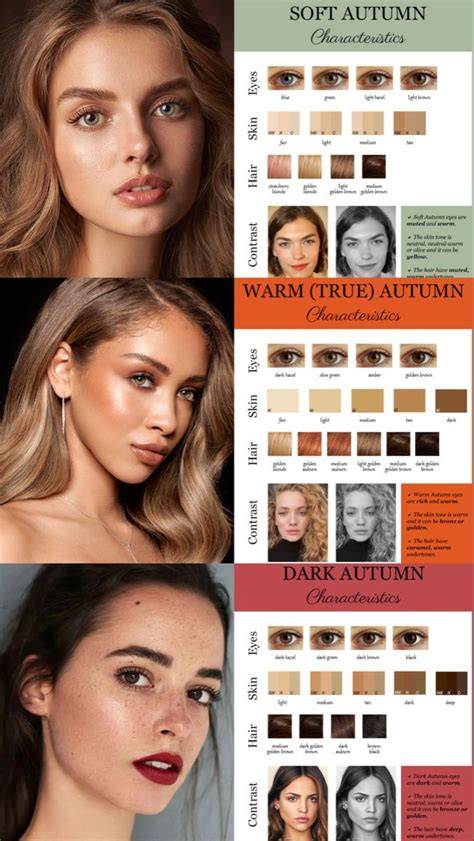
Infographics can illustrate how warm, cool, and neutral sandy blonde tones interact with different skin undertones and base colors.
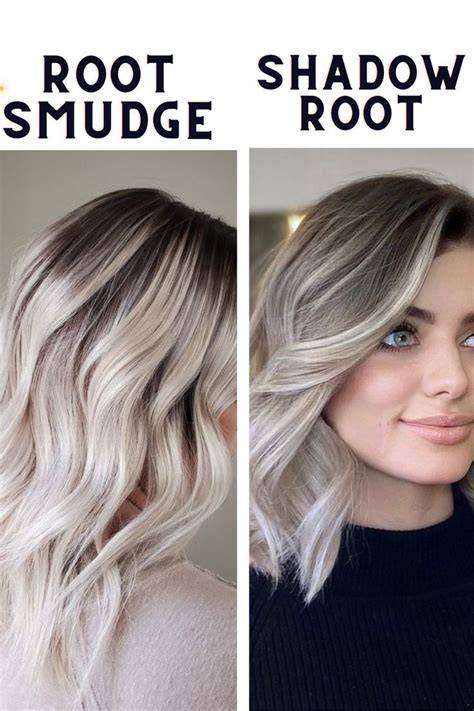
A simple diagram comparing techniques helps readers understand how each method affects root-to-end diffusion and maintenance.
How to get your BEST results from BLONDE box dye, EVER! Hair stylist tells ALL (not click bait)
A short tutorial video showing a colorist applying balayage, root shadowing, and final gloss to create a sandy blonde look.
Examples and Color Concepts
- Natural-looking sandy blonde balayage with beige, golden, and wheat tones for seamless roots to ends.
- Sandy blonde highlights on a darker base to brighten without full color.
- Shadow root technique pairing sandy lengths with a deeper root for easier grow-out.
- Sandy beige blonde for a sun-faded, gentle dimension that’s easy to achieve at home.
- Cool sandy blonde with soft mushroom undertones for cool skin tones, with highlights or full color options.
- Warm sandy blonde with sun-kissed golden and bronze tones for a balanced, luminous finish.
- Fine, ultra-delicate highlights to create brightness with minimal contrast.
- Subtle highlighting on natural sandy blonde to enhance dimension without dramatic changes.
Getting the Best Sand Blonde for You
Whether you’re a colorist crafting the trend or someone seeking soft blonde highlights, sandy blonde hair offers a versatile, natural glow. The goal is to achieve a sun-kissed finish that flatters your undertones, base color, and upkeep preferences. With the right mix of tones and techniques, sandy blonde remains a timeless, wearable choice that evokes a relaxed, vacation-ready vibe without the plane tickets.