Scalp pain and discomfort can disrupt your daily life, leaving you frustrated and seeking relief. This condition, known as trichodynia, is often linked to hair loss and other scalp issues, making it vital to understand its causes and find effective solutions. In this guide, we’ll explore the causes of trichodynia, its symptoms, and proven ways to manage it, including trichodynia treatment options and remedies you can try at home.
What is Trichodynia?
Trichodynia is characterized by scalp pain or a burning sensation on the scalp, often accompanied by tenderness, itching, or discomfort. It can occur with or without visible symptoms like redness or rash. Unlike skin conditions with visible symptoms, trichodynia typically presents without redness, rash, or other noticeable signs. The condition is sometimes referred to as “scalp dysesthesia.”
Common symptoms include a persistent burning sensation on the scalp, tenderness or heightened sensitivity to touch, a pulling or itching sensation without visible rash, and increased discomfort during periods of stress. Trichodynia may accompany hair loss disorders such as telogen effluvium or alopecia areata, though it can occur without active hair loss as well.
Causes and Risk Factors
The exact causes remain unclear, but trichodynia is thought to involve nerve sensitivity or irritation in the scalp. Potential contributors include neurological factors like neuropeptide substance P, psychological stress, hormonal fluctuations, and scalp health issues such as inflammation or poor hygiene. Hair loss disorders, including telogen effluvium and alopecia areata, are frequently associated and may share common triggers.
Risk factors include a history of scalp conditions (eczema, psoriasis), high emotional or chronic stress, harsh hair treatments or tight hairstyles, hormonal changes (puberty, pregnancy, menopause), and nutritional deficiencies that affect nerve function and scalp health.
How to Treat Scalp Pain Effectively
Treating trichodynia involves addressing both physical and psychological factors. A combined approach can provide relief and improve overall comfort.
Medical treatments include topical corticosteroids to reduce inflammation and medications to manage nerve pain or underlying hair loss disorders. Medications such as anti-inflammatories or antidepressants may be prescribed to address mental health components that influence pain perception. If hair loss conditions are involved, targeted hair loss therapies may help alongside scalp care.
At-home remedies focus on gentle scalp care and stress management. Use mild, sulfate-free shampoos and avoid harsh chemicals. Cool compresses can relieve burning sensations, while aloe vera offers anti-inflammatory benefits. Stress-reduction techniques such as meditation or yoga can reduce triggers. Lifestyle adjustments-avoiding tight hairstyles, staying hydrated, and maintaining a nutrient-rich diet-support scalp and hair health.
At-Home Remedies for Trichodynia
- Gentle Scalp Care: Use mild, sulfate-free shampoos and avoid products with harsh chemicals.
- Cool Compresses: Apply a cool compress to reduce burning and soothe discomfort.
- Aloe Vera: Leverage its anti-inflammatory properties to calm sensitive scalp nerves.
- Stress Management: Practice relaxation techniques like meditation or yoga to reduce stress.
Lifestyle Adjustments
- Avoid tight hairstyles that put tension on the scalp.
- Maintain a healthy diet rich in vitamins and minerals supporting scalp and hair health.
- Ensure adequate hydration to keep the scalp moisturized.
When to See a Doctor
If scalp pain persists or worsens despite at-home remedies, consult a dermatologist. A professional evaluation can provide a proper diagnosis and tailor advanced treatments to your needs. Early professional input helps address underlying causes and improves outcomes.
Preventing Trichodynia and Related Scalp Issues
Proactive habits can reduce the risk of scalp pain and related conditions. Maintain a healthy scalp care routine with gentle products, limit heat and chemical treatments, keep the scalp clean to prevent buildup, and protect the scalp from sun exposure. Managing stress through relaxation techniques supports overall scalp comfort. A nutrient-rich diet with vitamins (biotin), minerals (zinc, iron), omega-3 fatty acids, and adequate hydration promotes scalp and hair health. Monitor early signs and seek professional advice if you notice unusual shedding or persistent discomfort.
FAQs
- What triggers trichodynia during stress? Stress can heighten nerve sensitivity in the scalp and worsen inflammation, creating a cycle of discomfort. Stress management can mitigate these effects.
- Why does trichodynia often occur without visible symptoms? Trichodynia is linked to nerve sensitivity rather than surface inflammation, so redness or rash may be absent.
- How long does trichodynia last? Duration varies; with proper care, symptoms can improve within weeks, though chronic cases may persist.
- Will trichodynia lead to permanent hair loss? Trichodynia itself does not cause permanent hair loss, but it is often associated with hair loss conditions that may cause temporary shedding.
- Who is most likely to experience trichodynia? Those with hair loss conditions, high stress, sensitive scalps, hormonal changes, or anxiety disorders are at higher risk.
- What scalp care routines help with trichodynia? Gentle scalp care, mild shampoos, avoiding heat, and regular scalp moisturizing can help alleviate symptoms.
- Why is trichodynia linked to hair-pulling habits? Hair-pulling disorders can irritate scalp nerves and worsen symptoms; behavioral therapy can help reduce this trigger.
- How can I tell if my scalp pain is trichodynia or another condition? Trichodynia typically presents with pain or burning without visible redness or rash. A dermatologist can differentiate from dermatitis or infections.
- Where should I seek help for persistent scalp pain? A dermatologist can diagnose trichodynia, identify underlying causes, and recommend treatments.
- What lifestyle changes help manage trichodynia? Stress management, a healthy diet, and a gentle hair care routine can reduce nerve sensitivity and improve comfort.
Medical Treatments and Treatments for Hair Loss
Managing trichodynia often involves addressing underlying hair loss. Clinical-strength treatments and therapies may be considered, including:
- Clinical-strength hair loss treatments tailored to individual concerns, with professional guidance.
- Low-Level Laser Therapy (LLLT) or red light therapy to stimulate hair follicles and potentially improve hair thickness.
- Hair transplants (FUE or FUT) for permanent restoration in appropriate cases, with realistic expectations about timing and eligibility.
Remember that addressing the underlying trigger may alleviate trichodynia, but hair restoration often requires dedicated, targeted treatments beyond symptom relief.
Diagnosis and Treatment Pathways
Diagnosis typically involves medical history, physical scalp examination, and ruling out other conditions. Tests may include dermoscopy, ferritin or vitamin D levels, and, rarely, a scalp biopsy. Collaboration between dermatology specialists and other healthcare professionals is common to address both physical and psychological contributors.
When trichodynia is linked to hair loss disorders, treating the hair loss can reduce associated symptoms. In some cases, relief comes from a combination of medical treatment, self-care, and stress management.
Key Points Summary
- Trichodynia involves scalp pain, burning, and tenderness, often without visible signs.
- Causes include nerve sensitivity, stress, hormonal fluctuations, scalp conditions, and hair loss disorders.
- Treatment combines medical therapies with at-home care and lifestyle adjustments.
- Early professional assessment helps tailor effective care and improve outcomes.
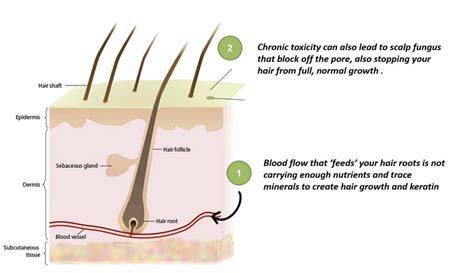
Why is My Scalp Burning? Trichodynia| Dysesthesia | Hair4Two
tags: #shampoo #for #trichodynia