People may shave for aesthetic, hygienic, or personal reasons. Regardless of the motivation, shaving provides an effective and efficient means of removing body hair. This article explains why the skin itches after shaving and how to prevent it.
Why skin itches after shaving
Razor burn is a type of skin irritation that develops immediately after shaving. Improper shaving techniques can irritate the skin, causing patches of red, itchy bumps. Razor burn does not necessarily mean the skin is infected. It can happen when people dry shave, which is shaving without using creams or gels. Razor burn vs. razor bumps
Razor burn and razor bumps
Razor bumps also develop after shaving. However, these occur as the result of ingrown hairs. Folliculitis
Itching after shaving could also be a sign of folliculitis. This is a common skin condition caused by a bacterial, fungal, or, rarely, viral infection of the hair follicle under the skin. It often results in red, acne-like spots and itchy, painful skin. Some people are more prone to folliculitis than others. Shaving in the opposite direction to the way the hairs grow may increase a person’s risk of folliculitis.
How to avoid irritation while shaving
Shaving can irritate hair follicles. Shaving with an unclean razor and against the grain can introduce bacteria into the hair follicles, which can lead to an infection. Razor burn, razor bumps, and folliculitis can technically affect any part of the body. However, they usually develop on areas of skin that people frequently shave, such as the legs, pubic area, and face. Highly sensitive areas, such as the pubic region and face, may get irritated more often than the legs and chest.
Legs
The skin on the legs is less sensitive than some other areas. However, people may develop razor burn on their legs if they shave too fast or too often, use an old razor, shave against the grain or too close to the skin, or use shaving products that contain harsh chemicals. To prevent and resolve leg irritation: cool compresses after shaving, moisturizers (aloe vera or shea butter), and, if diagnosed, topical treatments for folliculitis. Never shave dry; use gentle shaving creams or gels to keep skin hydrated.
Pubic hair
The skin around the pubic area is very sensitive. Shaving guidelines: trim hair before shaving, soak area in warm water, apply a fragrance-free shaving cream or gel, hold skin taut, shave in the direction of hair growth, rinse with warm water, and pat dry. Apply fragrance-free moisturizer such as CeraVe or Vanicream. An electric trimmer can be a good option to keep blades farther from sensitive skin.
Testicles and scrotum
Less hair grows on the scrotum, but shaving this area can cause irritation due to delicate skin. Follow pubic-area steps with extra care: hold skin taut, apply gentle pressure, shave in the direction of hair growth, avoid dull razors, and use a soothing moisturizer afterward. If irritation persists, consider a dermatologist-recommended approach or a trimmer.
Face and pseudofolliculitis barbae
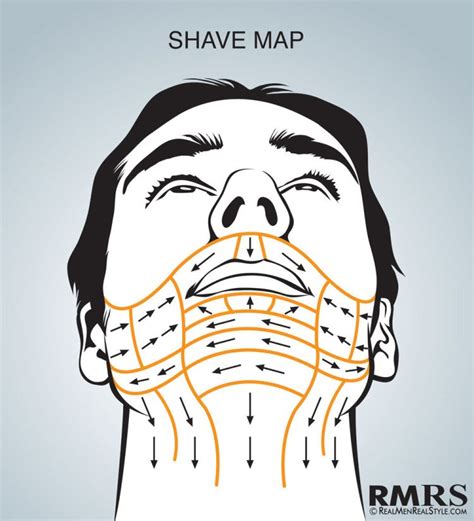
Male facial hairs tend to grow at a low angle close to the skin, increasing risk of ingrown hairs and irritation. Pseudofolliculitis barbae (razor bumps) can occur when curly hair curls back into the skin. Soften skin and hair with water, apply shaving cream and let it sit 2-3 minutes, shave with the grain, rinse razor after each stroke, rinse face with cold water, apply moisturizer and sunscreen. Store razors in a dry place to reduce bacteria buildup. Laser hair removal may be an option for persistent issues with curly hair.
What to use: shaving products that reduce itchiness
Using clean, sharp razors and sensitive shaving products can help reduce irritation. After shaving, applying fragrance-free moisturizer helps restore the skin’s barrier. For sensitive skin, consider fragrance-free, alcohol-free products. Aloe vera is a common remedy for razor burn due to its soothing and moisturizing properties. Additional skin-supporting ingredients like vitamin E, jojoba oil, shea butter, and chamomile can aid in calming irritation and promoting healing.
Pre-shave preparation
Tip 1: Trim longer hairs before shaving to reduce tugging. Tip 2: Shave on damp skin after a warm shower or bath, and use a high-quality moisturizing shaving gel to reduce friction. Tip 3: Use a high-quality razor and ensure blades are sharp. Tip 4: Shave in the direction of hair growth. Tip 5: Moisturize skin after shaving with a fragrance-free product.
Post-shave care
Cool compresses, fragrance-free moisturizers, and, if needed, gentle topical treatments can help soothe irritated skin. If itchiness or irritation is persistent or signs of infection appear, seek medical advice. For pubic-area care, wear breathable cotton underwear and avoid tight clothing to minimize irritation.
Practical steps and tips
- Shave with a clean, sharp razor; avoid dull blades that tug on skin.
- Use a gentle, fragrance-free shaving gel or cream; avoid products with alcohol.
- Shave in the direction of hair growth and keep strokes light.
- Rinse the razor after each stroke to prevent buildup.
- Moisturize after shaving with a fragrance-free product; consider aloe vera or shea butter.
- Trim longer hairs beforehand to reduce resistance on the blade.
- For sensitive areas, consider trimming with scissors or using an electric trimmer.
Visual aids (infographics, diagrams, and videos)
Dermatologist Shares 11 Shaving Mistakes to Avoid (Tips for Ingrown Hairs, Irritation, & More)
Table: Quick reference for areas and tips
| Area | Common Irritation | Preventive Tip | Aftercare |
|---|---|---|---|
| Legs | Razor burn, itching | Shave with grain, use sharp razor | Cool compress, fragrance-free moisturizer |
| Pubic region | Irritation, moisture issues | Trim hair, warm soak, gentle product | Fragrance-free moisturizer, breathable clothing |
| Face | Pseudofolliculitis barbae | Soften skin, shave with grain | Moisturizer and sunscreen, dry razor storage |