Silk pillowcases offer a protective, low-friction surface that can help preserve the integrity of hair extensions overnight. They function similarly to silk bonnets and scarves by creating a smoother barrier between hair and the pillow, reducing friction that can lead to tangling, frizz, and breakage.
Because silk is gentler on the cuticle layer than cotton, it helps prevent split ends and breakage, preserves moisture, minimizes frizz, and decreases tangles, making it especially beneficial for textured, curly, or chemically-treated hair. Silk’s material properties directly influence how hair looks and feels over time. Silk is a natural protein fiber, and its breathable, smooth, and slip-rich qualities allow hair to glide rather than snag overnight, contributing to a smoother texture, improved shine, and healthier-looking strands from root to tip.
For hair extensions, the pillowcase can be particularly advantageous: less friction reduces tugging on extension bonds and keeps wefts flatter, which can help maintain even texture and reduce the need for frequent adjustments. When silk becomes part of a regular sleep routine, these attributes are mirrored in your hair and extensions, supporting a cohesive appearance and easier maintenance.
Silk Pillowcase vs. Silk Bonnets: Complementary, Not Competing
Silk pillowcases aren’t necessarily more effective than silk bonnets, but they complement one another like besties. For people with fine, straight, or loose wavy hair or extensions, a silk pillowcase alone is often enough because it allows strands to flow freely throughout the night while preserving moisture. In those cases, confining hair under a bonnet can actually work against volume and movement, since closing the hair in a bonnet tends to eliminate body and movement.
For curlier textures, the strategy shifts. For higher curl patterns, tucking ends at night is best to maintain curl definition and prevent ends from separating and creating frizz. Doubling or tripling protection can be helpful for those with extensions, especially if a bonnet tends to slip off overnight. A practical approach is to secure curls with a silk scarf first, then add a bonnet, and still sleep on a silk pillowcase as backup. Because silk is lightweight and breathable, it helps regulate temperature so the scalp doesn’t overheat, which can be beneficial for people who experience night sweats or warmer sleeping environments. The dual approach of silk bonnet plus silk pillowcase can offer better protection than relying on a single layer alone, particularly for extensions that require gentle handling through the night.
Expert Perspectives and Testing Approach
Cataanda James, a licensed cosmetologist in New York City, emphasizes that silk pillowcases protect hair from friction during sleep and that silk’s attributes influence how hair looks over time. Our testing process for silk pillowcases involved a range of testers-editors, contributors, dermatologists, and stylists-evaluating texture, experience, value, and, where relevant, momme quality. Testing across diverse hair types, including extensions, helps ensure recommendations are applicable to a broad audience and different extension methods.
Hair products and tools are often developed with specific consumers in mind, addressing concerns like breakage, frizz, or moisture retention for particular textures. By considering a spectrum of hair textures, lengths, and styles, we aim to identify how silk pillowcases perform for real-world extension scenarios, from bonded to taped to sewn-in methods, and how they interact with nightly care routines that include scarves, bonnets, or multiple protective layers.
Practical Guidance for Using Silk Pillowcases with Hair Extensions
- Choose a high-quality silk pillowcase with a suitable momme weight (typically 12-22 momme) for durability and smoothness.
- Ensure your pillowcase is clean and free of product buildup; residues can transfer to extensions and reduce glide.
- Gently detangle extensions before bed to minimize snagging and tangling during sleep.
- For curlier or longer extensions, consider a light scarf or bonnet as an extra layer, but prioritize breathable materials to prevent overheating.
- Wake up with smoother hair and fewer bedhead days, while keeping extensions looking natural and less prone to frizz or matting at the roots.
Meet the Experts
Cataanda James, a licensed cosmetologist in New York City, provides insights into silk pillowcases and their impact on hair and extensions. Our experts and testers bring a breadth of experience to assess how the material’s properties translate into real-world benefits for extension wearers.
Table: Quick Comparison of Sleep Protection Options
| Option | Benefit for Hair Extensions | Limitations |
|---|---|---|
| Silk pillowcase | Low friction, moisture retention, smoother glide | May require sturdy tags to avoid slipping off pillow |
| Silk bonnet | Extra protection for ends and bonds, reduces movement | Can slip; may flatten volume if too tight |
| Silk scarf + pillowcase | Max protection; combines benefits of both layers | More setup; can feel bulky |
In practice, the combination of a silk bonnet or scarf with a silk pillowcase often yields the best balance of protection and volume maintenance for extensions, especially when curls or multiple bond lines are present and you want to minimize friction and tangling overnight.
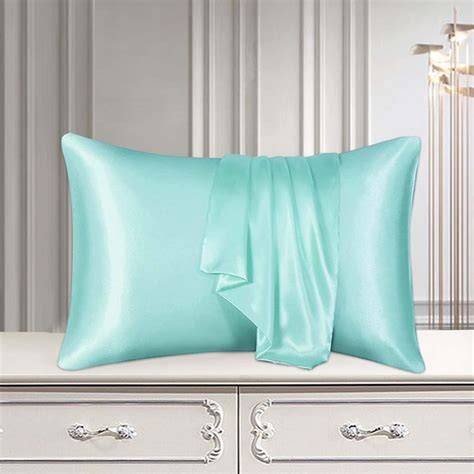
Silk Pillowcases 100% Mulberry | ZALA Hair Extensions
tags: #silk #pillowcase #for #hair #extensions