Laser hair removal has become one of the most popular cosmetic procedures performed in the United States. It is important to choose a doctor who is board-certified in a specialty such as plastic surgery. In preparation for your first laser hair removal session, it is important to avoid waxing or plucking of hairs for four to six weeks before treatment. These activities temporarily remove hair follicles and roots, which are the targets during laser treatment. Within 24 hours before treatment, shaving is recommended so the laser can more easily locate follicles. Just before the laser procedure, you may be given the option to receive topical anesthetic to help reduce any discomfort during the treatment. You will be typically given eye protection, and the laser equipment settings will be adjusted according to skin location, thickness and color.
During the laser process, pulses of light will be given in the treatment area and slight discomfort may be felt. The first treatment usually causes the most sensation compared to subsequent treatments, and the laser process varies from a few minutes to an hour depending on the treatment area. It is not uncommon to notice some redness and warmth to the skin area after a few hours. It has been described as feeling like a mild sunburn, which can be relieved with cold compresses and moisturizers. Hair follicles hit by the laser during the treatment can take days to weeks to fully shed. Hairs do not fall out immediately and the shedding process may sometimes look like continued hair growth. Although laser hair removal effectively delays hair growth for months to years, it usually does not result in permanent hair removal. However, compared to shaving and waxing, it offers a more permanent solution.
Multiple sessions, usually 4-10 and spaced 4-6 weeks apart, are needed to target the various stages in the hair growth cycle. Laser hair removal is a top choice for people tired of shaving or waxing. This treatment offers lasting results, fewer ingrown hairs, and smoother skin. To get the best outcome, it’s helpful to understand the treatment process, hair growth phases, and what to expect. Let’s walk through everything you need to know to prepare for and care after each laser hair removal session.
How Laser Hair Removal Works
A concentrated laser targets the pigment (melanin) in hair follicles and delivers light energy directly to them. The light converts to heat, damaging the follicle and slowing or stopping future hair growth. It’s most effective on darker hair and lighter skin, but newer technologies now work for many skin and hair types.
To understand why multiple sessions are needed, it helps to know how the hair growth cycle works. Read more about how laser hair removal works.
Understanding the Hair Growth Cycle
Hair grows in three phases, and lasers work best during the active growth (anagen) phase:
- Anagen Phase - Active Growth
Hair is growing and still connected to the follicle. This is when the laser can destroy the follicle most effectively. About 20% of hair is in this phase at any time. - Catagen Phase - Transition
Hair detaches from the follicle and stops growing. Lasers aren’t effective during this stage. - Telogen Phase - Resting
Hair is dormant and eventually sheds. Since it’s no longer connected to the follicle, the laser doesn’t work here.
Because not all hairs are in the same phase, multiple sessions are necessary. Additionally, understanding these cycles helps you schedule more effective sessions.
Step 1: Consultation and Patch Test
Initially, your appointment includes a consultation to determine your skin type, hair color, and the best laser for you. A patch test checks for sensitivity or reactions. As a result, you’ll get a treatment plan tailored to your skin’s needs.
Step 2: Pre-Treatment Prep
To ensure a safe, effective treatment:
- Avoid sun exposure for two weeks beforehand. Otherwise, there’s a higher risk of side effects.
- Shave the treatment area 24 hours before.
- Don’t wax or pluck in advance. The follicle must remain intact.
- Avoid products with retinoids, acids, or exfoliants. These can irritate the skin.
Step 3: The Laser Session
Cleanse the skin to remove oils or products. Wear protective eyewear to shield your eyes from the laser. Apply cooling gel if needed. The laser delivers pulses to the area-it may feel like a snap or pinch. Apply a soothing cream afterward. Small areas take around 15 minutes. Larger zones may take up to an hour. Consequently, appointments are convenient for most schedules.
Step 4: Post-Treatment Care
Use aloe vera or a gentle moisturizer. Avoid direct sunlight and apply SPF 30+ regularly. Skip hot showers or saunas for 48 hours. Let treated hair shed naturally. Refrain from exfoliating for a few days. Aftercare guidelines from Mayo Clinic.
How Many Sessions Are Needed?
Most people need 6-8 sessions spaced 4-6 weeks apart. Factors that impact the number of treatments include hair color and thickness, skin tone, hormones, and consistency in session timing. Hair that is dark and coarse responds best, lighter skin with dark hair is ideal, but advanced lasers work for all tones. Hormone-sensitive areas like the face may require more treatments.
Therefore, stick to the schedule your technician recommends. What to Expect After Each Session:
- Week 1-2: Shedding Phase Hair starts to fall out. In the meantime, avoid exfoliating the skin.
- Week 3-5: Reduction Phase Hair regrowth appears finer and lighter. Some patches may already be smoother. Skin will begin to feel more even and soft.
- Week 6+: Repeat Session New hairs that enter the growth phase are ready for treatment. Scheduling sessions on time is key. Otherwise, you might miss the optimal treatment window.
Are Results Permanent? Laser hair removal provides long-term hair reduction. Some see permanent results, while others need yearly touch-ups. Hormones and genetics influence long-term effectiveness. Maintenance sessions help keep results consistent.
Who’s a Good Candidate for Laser Hair Removal? The best candidates:
- Have dark hair and light skin
- Avoid sun exposure before treatment
- Aren’t taking photosensitizing medications
In addition, a consultation with a professional ensures the treatment plan aligns with your goals. More info from the American Society for Dermatologic Surgery.
Combining Laser Hair Removal with Other Treatments
If you’re considering body contouring or spa treatments, starting with laser hair removal is a smart first step. It smooths the skin and boosts the effectiveness of other procedures. Moreover, it helps prep your skin for further enhancements. Additionally, combining treatments can streamline your routine and improve overall results. For example, smoother skin enhances the effects of sculpting treatments.
Final Thoughts
Laser hair removal is a reliable solution for long-lasting, smooth skin. By understanding the process, preparing properly, and caring for your skin after each session, you’ll maximize results with minimal effort. Whether you’re just starting your skincare journey or expanding your aesthetic routine, laser hair removal can be a smart foundation. As an added bonus, it’s also a confidence booster. Therefore, if you’re ready to take the next step, now is the perfect time.
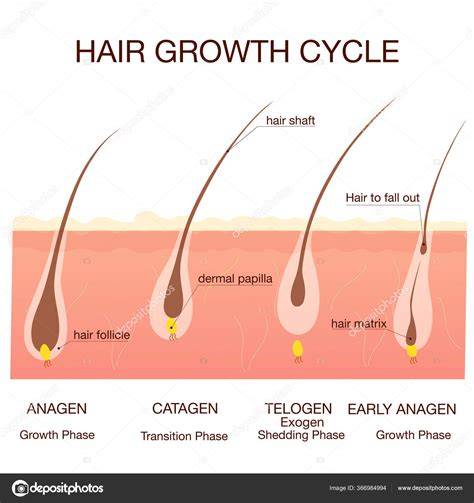
Ready to take the next step? Discover hair growth cycles and how the process of laser hair removal works. Did you know that hair follicles grow in repeated cycles? There are three phases of hair growth every time a new hair is developed, and it’s important to understand that our hair does not grow in unison. While one hair might be in the first stage of hair growth, the one next to it might be in the last; hence one zap of a laser will not get rid of all the hair forever. Have you ever noticed how dark clothes absorb sunlight and feel warm to the touch? Laser hair removal works by the process of selective photothermolysis. This is when the laser beam is set at a designated wavelength. The laser beam is attracted to the melanin contained within the hair, leaving the surrounding tissue unaffected. The energy from the light beam is converted into heat and travels through the hair shaft and into the hair bulb itself. Anagen is considered the growing stage; this is when the root of the hair is the largest, has an abundance of melanin, and is attached to the root. During this phase, the hair grows and becomes visible above the skin. The length of this phase depends on how long that hair will eventually grow; usually at least 2-3 weeks. Catagen is often called the transition stage. This is a short transitional period in which the hair stops growing and the hair follicle shrinks in size. The follicle breaks away from the dermal papilla that supplies it with nutrients. The dermal papilla then regresses. Telogen is the resting stage. At this stage, laser hair removal is completely ineffective as the hair is not visible and it is fully detached from the root. The Fitzpatrick scale is a numerical classification for human skin colour based on the response of skin to ultraviolet (UV) light. A note from Cleveland ClinicLaser hair removal is a safe, effective way to remove unwanted body hair. Heat from a laser removes hair and destroys hair follicles. It’s not permanent, but the results last longer than plucking, tweezing or waxing. Most people need multiple treatments. Only an experienced healthcare provider should perform this procedure. Potential side effects include burning, scarring and permanent skin discoloration.