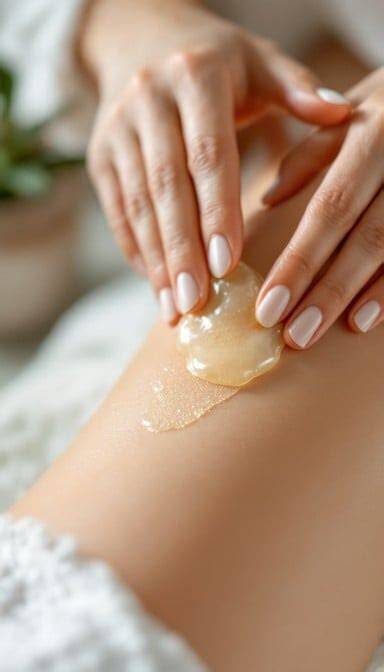
Sugar dough waxing, or sugaring, is an ancient hair removal method that uses a simple three-ingredient paste to remove hair from the root. This article weaves together a firsthand experience with Sugardoh’s at-home kit, highlighting techniques, benefits, potential drawbacks, and practical tips for anyone curious about switching from razors to sugar paste.
What Sugaring Is and Why It Appeals
Sugaring is an ancient body hair removal technique that is still popular today, and typically administered in salons. But Sugardoh is designed for use at home. The brand is woman- and BIPOC-owned and cruelty free, and its aim is to make salon-level treatment sustainable and accessible. There are two firmness levels of sugar paste to choose from, and both contain just three ingredients - sugar, organic citric acid, and water - which is a plus for sensitive skin.
The “medium” option is softer and easier to spread over a larger area, like your legs and arms, but takes more skill to use. The brand suggests using powder to keep your skin dry, as extra moisture will make the sugar mixture goopy. I followed their directions exactly, starting with clean skin and applying body powder around my bikini area.
Initial Setup and Tools
Using my fingers, I scooped out a quarter-size dollop of sugar paste from the jar. The “firm” paste was sticky but very malleable, and I had to move through the steps swiftly so that my body heat didn’t over-warm it and make it more difficult to work with. After applying the sugar paste, the main technique Sugardoh recommends is “the flick,” where you flick your wrist to rip the paste off your skin and yank out the hair in a smooth, single motion.
The flick has to be intentional and quick, or the paste can become stringy. After a few failed attempts, what worked best was when I moved like I was ripping off a Band-Aid. Did it hurt? Yes. You’re pulling hair from the root, so some level of pain is expected. The first time I tried it, waxing my entire bikini area took under an hour, despite running into a handful of the issues that Sugardoh warns about, like my flick being too hesitant to actually rip out the hair.
Technique Details: The Flick and Timing
Anytime the paste became overly warm and sticky, the water-soluble formula was easy to remove with a damp towel. And once I got going, the results were undeniable; I’d never seen my skin so hairless and free of bumps and irritation. The hair started to grow back after about two and a half weeks, which is a lot slower compared to when I use a razor, and I didn’t experience any itchy bumps or painful ingrowns.
I’ve now sugared three times, my bikini line twice and my underarms once, and the process has become more intuitive, with fewer mess-ups. Though I think the convenience of a quick pit shave is still useful, I am now phasing out my razors in favor of SugarDoh for my legs and bikini zone. At $35 for a jar that will last multiple sugaring sessions (I still have more than half left) it’s much cheaper than going to a salon.
Benefits Over Traditional Shaving
The author’s experience highlights several practical advantages of sugaring with SugarDoh: slower regrowth, reduced irritation, and fewer itchy bumps or ingrown hairs. Since sugar paste adheres mainly to hair and not skin, it can be gentler on sensitive areas when applied correctly. The at-home kit provides a salon-level option that is more sustainable and accessible, particularly for those who are prone to folliculitis or allergic reactions to traditional waxes.
Potential Drawbacks and What to Expect
Shaving has its own drawbacks-nicks, razor bumps, and ingrown hairs-while sugaring introduces its own learning curve. The technique requires quick, decisive movements, and the paste must be kept at the right temperature for optimal results. If the paste becomes too warm, it can become sticky and harder to remove; if it’s too cool, it won’t adhere well to hair. Pain is expected to some degree because you are pulling hair from the root, and first-time users may experience more hesitancy or failed flicks.
Folliculitis and sensitive skin can influence the experience, so choosing the right paste firmness and keeping skin dry with powder are important. If you’re considering a switch, starting with a smaller area to test tolerance can help minimize discomfort and build confidence in the technique.
Practical Tips for Success
- Test skin sensitivity with a small patch before full legs or bikini applications.
- Use body powder to keep the area dry and ensure the paste grips hair rather than skin.
- Work quickly with the flick motion to maximize hair removal in a single pull.
- Keep the paste at the right temperature; if it’s too warm, allow it to cool slightly or remove with a damp towel.
- Be prepared for some initial trial and error but expect the process to improve with practice.
Cost and Accessibility Considerations
At $35 for a jar, the Sugardoh kit offers a cost-effective alternative to salon waxing, with multiple sessions possible from a single jar. For those seeking salon-level results at home, the kit provides a practical balance of ingredients, ease of use, and performance, particularly for individuals who want to minimize irritation and avoid frequent salon visits.
Overall, sugaring with SugarDoh can be a transformative shift for people seeking smoother skin with slower regrowth and fewer bumps, especially when sensitive skin and potential allergies to traditional wax are considerations. The at-home approach makes salon-quality results accessible, at a fraction of the cost, and with growing familiarity over time.