Tomato leaves curling is one of the most common problems gardeners notice during the growing season, but it isn’t always a sign that something is wrong. In many cases, curled leaves are simply your tomato plant’s way of responding to environmental stress like heat, inconsistent watering, or transplant shock. I’ve found that the shape of the curl is only one piece of the puzzle. The color of the leaves, where the curling occurs, the age of the plant, and even the weather over the past week all provide important clues.
At a Glance: Why Are My Tomato Leaves Curling?
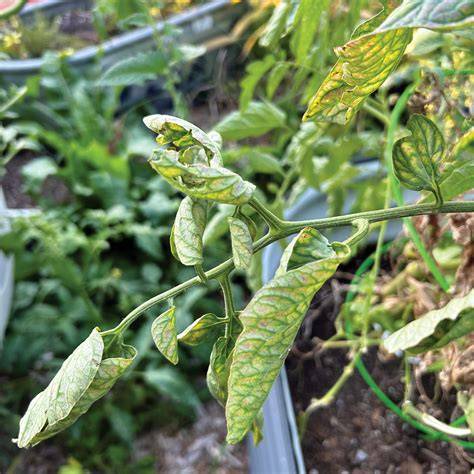
What Does Tomato Leaf Curl Look Like?
- 1. Heat Stress (The Most Common Cause)
- 2. Inconsistent Watering
- 3. Physiological Leaf Roll
- 4. Transplant Shock
- 5. Too Much Nitrogen
- 6. Herbicide Drift
- 8. Pests
- 9. Most curled tomato leaves are caused by environmental stress rather than disease.
Heat, irregular watering, root disturbance, and physiological leaf roll account for the majority of cases in home gardens. Leaves that curl upward along the edges are usually responding to environmental stress. The most concerning type of curling occurs on new growth. Instead of focusing on one leaf, step back and examine the entire plant.
What to do about curling: how and why
Tomatoes naturally curl their leaves to reduce moisture loss through transpiration. Think of it as the plant’s built-in survival mechanism. Rather than watering lightly every day, give your tomatoes a deep soaking once or twice each week, depending on your soil type. Deep watering encourages roots to grow downward where moisture remains available longer.
Tomatoes prefer consistency. Gardeners sometimes mistake this for underwatering alone, but overwatering can produce very similar symptoms because saturated soil contains very little oxygen. Check the soil several inches below the surface before watering. If it’s still moist, wait another day or two.
This harmless condition is probably responsible for more unnecessary panic than any tomato disease. Physiological leaf roll occurs when tomatoes experience temporary stress but continue growing normally. The good news is that this condition is mostly cosmetic.
Moving a tomato from a container into the garden inevitably damages some fine feeder roots.
Herbicide drift or contamination of topsoil, manure, or compost by herbicide residues can cause curling leaves. When tomato plants are exposed to the growth regulator herbicides such as 2,4-D, dicamba, aminopyralid, or picloram, typical symptoms include curling and cupping leaves and twisted growth. These herbicides cause symptoms on the newest growth first. Always follow label instructions when spraying an herbicide, and conduct a bioassay if you are bringing in new soil, compost or manure.
Fortunately, this disease is not very common. Small infestations often disappear naturally as ladybugs and other beneficial insects arrive. Curled leaves are still photosynthesizing, which means they’re still producing energy for the plant. The only leaves that should be removed are those that are diseased, severely damaged, or touching the soil where they can spread fungal diseases. Perhaps most importantly, resist the urge to overreact. Tomato leaf curl can look alarming, especially if it appears overnight, but it doesn’t automatically mean your plants are in trouble. More often than not, curling is simply a response to environmental conditions such as heat, inconsistent watering, or temporary stress. Healthy green foliage, active flowering, and developing fruit are all reassuring signs that your tomatoes are likely to recover on their own.
The most common causes are heat, inconsistent watering, recent pruning, or what is called physiological leaf roll. Tomato leaves curling upward is often a response to heat or moisture stress. In many cases, downward curling is related to stress from inconsistent watering, root problems, or transplant shock.
Before watering, check the soil a few inches below the surface. Usually, no. The exception is if leaves are yellowing, diseased, severely damaged, or touching the soil. Older leaves are usually the first to show signs of stress because they have been exposed to environmental conditions longer.
Tomatoes are extremely sensitive to broadleaf herbicides. If only a few leaves are affected and exposure was minimal, the plant may partially recover and still produce. If your mature tomato plant shows signs of environmental stress from the heat or sun, it may be tempting to move it to a different location with a little bit of shade. If you’re growing tomatoes in a container this isn’t too hard, simple move the whole pot.
While it’s technically possible to transplant a tomato plant, it’s not recommended. To increase the odds of its survival, give it a thorough watering about 24 hours before you plan to move it. There are various factors that can cause curling or rolling of tomato leaves. These factors can be environmental stresses, fungal, bacterial, or viral infections, insects, herbicide damage, overfertilizing, and excess or insufficient water. These factors trigger physiological problems that manifest this condition. It is necessary to take a closer look at your plants to identify which of these factors could be the culprit. You need to see which leaves are rolling (new leaves, old leaves, or all the leaves). What direction do the leaves roll (upward or downward)? Are any other parts of the plant, including fruit, presenting any symptoms?
Physiological leaf roll of tomato (Photo: Don Ferrin, Louisiana State University Agricultural Center, Bugwood.org)
1. Physiological and environmental stress
Environmental stress is one of the most common reasons for tomato leaves to curl. Excessive moisture and nitrogen, insufficient phosphorus, heat, drought, severe pruning, root damage from tilling or hoeing, early planting, and transplant shock are some of the cultural and environmental factors that can cause physiological leaf roll in tomatoes. If tomato leaves are curling due to environmental factors, usually the older leaves will show signs first. Leaves will bend upward and leaflets will curl inward. Leaflets may look thick and leathery. Indeterminate growth varieties tend to present physiological leaf roll more often than determinate varieties.
2. Pathogens
Fungi: Certain soil-borne fungi can cause tomato leaves to wilt and curl. Fusarium and Verticillium wilts are examples that invade the vascular tissue, limiting nutrient and water transport, resulting in leaves curling, wilting, yellowing, and dying. Remove infected plants (including roots) and disinfect tools. Crop rotation and resistant cultivars help prevent these diseases.
Bacteria: Bacterial canker (Clavibacter michiganensis pv. michiganensis) can cause wilting and drooping of leaves, especially on lower leaves. Remove infected plants and disinfect tools. Plant certified disease-free material. Crop rotation helps prevent it in the future.
Viruses: TMV, TSWV, and CMV can cause leaf curling. There is no treatment for virus-infected plants. Start with certified disease-free plants and eliminate weeds and insect vectors. Remove and destroy infected plants and disinfect tools.
3. Insects
Piercing-sucking insects like aphids can cause curling as they suck plant juices. Inspect the undersides of leaves and use IPM strategies to protect beneficial insects that control pests.
4. Herbicide damage
Herbicide drift can cause curling leaves as growth regulators such as 2,4-D, dicamba, aminopyralid, or picloram affect new growth first. Follow label instructions and conduct bioassays when bringing in new soil or compost. If exposure is high, plants may never fully recover and should be discarded.
Recommendations to prevent or control curling leaves in tomatoes include: choose determinate cultivars; harden off seedlings; transplant after warmth; maintain consistent moisture with mulching; avoid overwatering; avoid over-fertilizing with nitrogen; provide sufficient phosphorus per soil test; avoid excessive pruning or root damage; locate plants to receive late-afternoon shade. For more help, contact your local Extension Office for diagnosis and guidance.
In some cases, curling results from herbicide drift or contaminated soil, mulch, or compost, or from viral infections. If symptoms appear, inspect plant parts, consider recent activities near the garden, and assess whether the curl is localized to new growth or distributed across the plant. TYLCV is especially alarming, as it can stunt growth and reduce fruiting; if suspected, remove the plant and consult local extension services.
Prevention is key: plant sweet alyssum to attract hoverflies, which help control pests like whiteflies, aphids, and thrips. This natural defense can reduce curling caused by pests and aid overall plant health. Curled tomato leaves can feel like a big deal, but they are rarely more than a temporary condition when environmental factors are managed well.
Practical tips and quick checks
- Check soil moisture a few inches below the surface before watering; if still moist, wait.
- Provide deep, infrequent watering rather than daily light watering to promote deeper roots.
- Mulch to keep soil cool and moist and to reduce rapid moisture fluctuations.
- Avoid excessive nitrogen fertilization to prevent lush but weak growth.
- Inspect for pests and consider IPM strategies to preserve beneficial insects.
- If herbicide exposure is suspected, trim affected growth and monitor recovery; consider replacing contaminated soil or mulch if necessary.
- When transplanting, water thoroughly 24 hours before to help roots recover.
Healthy green foliage, active flowering, and developing fruit are reassuring signs that your tomatoes are likely to recover on their own. If curl appears after extreme heat or drought, implement shade or ventilation strategies and maintain consistent moisture to support recovery.
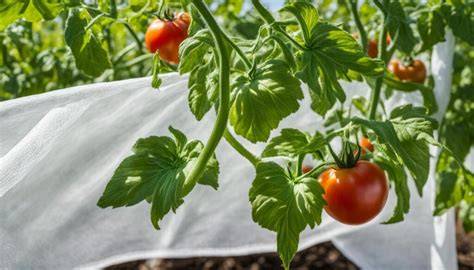
The Truth About TOMATO LEAF CURL Will Blow Your Mind
Disinfection of tools and keeping records of planting practices can further reduce future issues. If you suspect TYLCV or other serious infections, contact your local extension office for proper diagnosis and disposal guidance. Prevention and patience are often the best cures for curled tomato leaves.