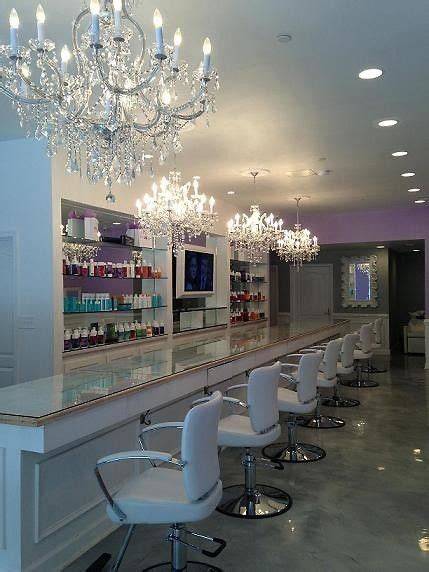
As the importance of self-care continues to grow in an increasingly chaotic and stressful world, so does the popularity of blowout bars. In its simplest form, a blowout bar (also known as a dry bar) exclusively provides blowouts - washing, blow-drying, and hairstyling from a preset menu - with no haircuts, coloring, or chemical treatments offered.
The concept and its appeal
In its simplest form, a dry bar or salon blowout bar exclusively provides blowouts - washing, blow-drying, and hairstyling (from a preset menu) to achieve a sleek look, style, and feel. No haircuts, coloring, or chemical treatments are offered. Good hair days do matter. Even with a plethora of YouTube tutorial videos at your disposal, you know that not all those tips are going to work. Although the concept has been around for decades, dry bars started emerging in the hair care industry in 2008. Since then they have racked up over $9 billion in revenue (from services and retail sales combined).
A blowout bar offers a quick, luxurious experience at an affordable price. The typical service lasts 30-45 minutes and costs around $45, making it an “affordable luxury” for clients and a highly profitable model for owners due to fast client turnover and repeat sales. The focus on efficiency and consistency helps salons scale services without the complexity of full-service appointments.
What exactly happens at a blowout bar
Most blowout bars create a relaxing atmosphere with attractive decor and cozy furniture. Clients may enjoy complimentary wine or cocktails, large televisions with chick flicks, and optional add-ons like a deep conditioning mask or a brief scalp massage. Clients typically book appointments in advance, and many top blowout bars use appointment management software to streamline scheduling. A standard blowout includes washing, a round-brush blowout, and hot-tool styling to achieve the desired look-without cuts or chemical treatments.
Blowouts can be customized for different hair types, including curly, coily, textured, and thick hair. Some studios offer longer sessions for textured or highly detailed styling, such as signature blowouts that require extra time. For fans of extra pampering, variations like scalp massages, masks, and add-ons help extend the perceived value of the experience.
Benefits for clients and business owners
- Quick and easy hairstyling: Services typically take 30-45 minutes, allowing clients to fit a styling session into a busy day. With proper maintenance, a blowout can last several days.
- Affordability and luxury: At around $45, clients enjoy a spa-like experience at a fraction of the price of traditional salon services, making it an appealing indulgence.
- Cost-effectiveness and profitability: High client turnover and streamlined services enable faster revenue and stronger profits for owners, especially when compared to longer, more costly treatments.
- Group appeal and events: Blowout bars are popular for parties and events-bridal showers, birthdays, and group gatherings-driving additional revenue streams.
- Repeat sales potential: Even though the effects are temporary, affordability encourages frequent visits, boosting client loyalty and recurring income.
Franchise vs. independent setup
Starting out, many entrepreneurs choose to become a franchisee (e.g., Drybar, Blo) to leverage established brand recognition, training, and systems. Franchisees can benefit from built-in marketing, operations templates, and ongoing support, but face upfront franchise fees, ongoing royalties, and adherence to brand guidelines. Alternatively, opening an independent blowout bar offers autonomy but requires navigating a steeper learning curve and higher startup risks. Franchise models are generally more suitable for beginners who want a quicker path to client acquisition and structured growth.
Costs for franchisees vary by brand but typically include an initial franchise fee, start-up costs (including grand opening and advertising), and ongoing royalties (often a percentage of gross sales). For example, a brand might estimate initial costs in the range of $214,443 to $337,352, with a monthly royalty around 6% of gross sales. When budgeting, aspiring owners should also account for staff salaries, insurance, and other overheads.
Operations and experience
Successful blowout bars prioritize a calm, pampering atmosphere: comfortable seating, high-quality products, and a curated look-and-feel. Appointment-based systems help maintain flow, while high-quality products selected for each client’s hair type help maximize results and client satisfaction. For families and groups, some bars offer mobile events or group bookings, broadening the service scope beyond individual appointments.
In practice, the experience is about more than the service itself. It’s an efficient, focused business model that delivers consistent results quickly. The emphasis on blowouts alone means stylists can specialize, refine technique, and shorten service times without compromising quality. A blowout bar thus represents a practical balance between luxury and accessibility, suitable for testing new markets or expanding an existing salon footprint.
Marketing and growth strategies
Marketing should target audiences that value convenience and affordable luxury. Social media is essential for promotion, with platforms like Instagram providing a channel to showcase before-and-after results, hairstyles, and client experiences. Promotional tactics can include limited-time offers, gift cards, and bundles to attract new clients and encourage repeat visits. Franchisors often provide marketing materials, but tailoring messages to local audiences remains crucial for reach and engagement.
To deliver a standout client experience, invest in comfortable interiors, reliable appointment systems, and incentives for repeat visits-such as memberships or loyalty programs. For example, membership plans can offer discounted styling sessions, added benefits, and periodic perks, encouraging ongoing engagement across multiple locations.
FAQ highlights
- What is the primary difference between a blowout bar and a traditional hair salon? A blowout bar exclusively provides express services like washing, blow-drying, and styling from a menu, with no haircuts, coloring, or chemical treatments.
- Why is the typical blowout cost attractive to clients? The average service cost is around $45, providing an affordable indulgence and a confidence boost without the price of full salon services.
- Why are blowout bars often more profitable than traditional salons? Quick service times (30-45 minutes) enable high client turnover and repeat business, maximizing revenue efficiency.
Considerations for potential franchisees
When evaluating franchise options, research should cover upfront fees, ongoing royalties, training quality, and the level of ongoing support. Not all franchises are created equal, so assess training programs, marketing support, and the clarity of operations manuals. Budget thoroughly to cover startup costs and ensure sufficient cash flow to maintain operations during the initial growth phase.
Whether you choose to franchise or build an independent blowout bar, the model centers on consistent, high-quality blowouts delivered quickly, creating a predictable, scalable path to revenue while offering clients a convenient, luxury experience.