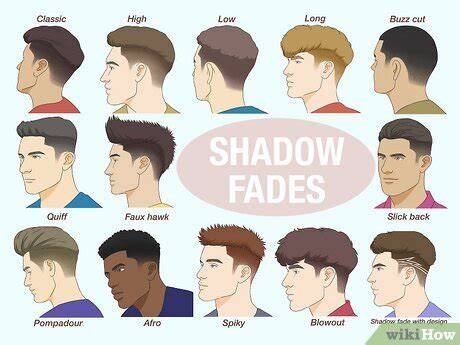
The shadow fade is a trendy haircut where the hair is gradually cut shorter on the sides and back until it seamlessly blends into a fine stubble. The hair is kept longer on top, which gives this a super crisp and clean look. If you’re interested in trying this style, we’re here to help! We’ll go over what the shadow fade looks like and how to cut it or ask for it from your barber. The shadow fade has long hair on top and short hair on the sides and back that’s gradually cut shorter to reach a very short, buzzed length. The fade is not cut to the skin (like a skin fade), giving it a subtler but still fresh look. The shadow fade is a subtle type of fade, where the sides and back are gradually cut shorter until they reach a short, buzzed length. This gives the fade a shadowed, stubbly appearance.
Who Should Get a Shadow Fade?
Shadow fades are a great alternative to a traditional skin fade if you want a more subtle and less dramatic style. This fade tends to work well for those who want a polished look without high maintenance. The shadow fade is ideal for clients who want a versatile option that pairs with both casual and professional styles. It also works across all hair types and textures and is a strong choice for those new to fades who aren’t ready for the high-contrast look of a skin fade. If you prefer length on top and a clean, refined silhouette, the shadow fade may be for you.
How It Compares: Shadow Fade vs. Skin Fade
A fade is a haircut technique where the hair gradually transitions from longer on top to shorter on the sides and back. The hair does not just get cut short - it blends. A taper means the hair gradually gets shorter as it moves toward the neckline and around the ears, remaining longer than a fade at its shortest point. A fade takes the blend further and can taper down to the skin, or close to it, with a seamless transition. A skin fade - also called a bald fade - takes the hair all the way down to the skin at the lowest point. There is no hair left at the bottom. The shadow fade stops just short of the skin, offering softer contrast and more natural growth, while still delivering a crisp, blended look. A low fade starts just above the ear, a mid fade starts higher, and a drop fade curves behind the ear and down the back of the neck to follow the head’s natural arc.
Key Differences
- Level of Contrast: Shadow fade is gradual with no scalp exposure; skin fade exposes skin for a sharp line.
- Maintenance: Shadow fade grows out more gradually; skin fade requires more frequent upkeep.
- Style and Vibe: Shadow fade suits a classic, understated look; skin fade suits bold, contemporary styles.
- Hair/Scalp Considerations: Shadow fade works well for lighter hair and sensitive scalps seeking more coverage; skin fade highlights scalp and is best for thicker, darker hair.
When choosing between a shadow fade and a skin fade, consider your hair type, lifestyle, and personal style. A skilled barber can tailor either fade to suit your face shape and texture. A shadow fade is a versatile option that blends well with many looks, from casual to professional.
How to Cut a Shadow Fade
The shadow fade is about restraint and control. Start by establishing your lowest point. Instead of going to skin, set your clipper to a #0.5 or close the blade on a #1 guard. Take this length around the hairline, covering the same zone you would on a standard fade: the area below the ear, the sideburns, and the nape. From the lowest point, step up your guard gradually. The transition zone on a shadow fade should be wider and more gradual than a standard fade. The blending technique is the same as other fades: rocking and scooping the clipper as you move upward through each transition zone. A line you might get away with on a bald fade will stand out against the shadow background, so precision matters more here. Finish with a trimmer to define the edges, keeping them clean but not overly sharp to match the soft tone of the cut.
Hairstyling tips from pros emphasize planning with your barber: be specific about where you want the fade to start (low, mid, or high), how much hair you want to leave on top, and how you’d like to style it. If you’re aiming for a longer top, you can pair the fade with a voluminous style such as a pompadour, quiff, or textured wave. For styling top hair, use products like pomade, texturizing powder, or sea salt spray to add texture, volume, and movement without overpowering the subtle sides.
Maintenance and Aftercare
The shadow fade is the lowest-maintenance fade you can offer. With the shortest point still having hair, growth is gradual and graceful, often letting clients go 2 to 4 weeks between visits. Basic care between appointments includes brushing or combing according to hair length and texture, moisturizing the scalp, and using a lightweight oil or scalp spray. For the top, style as usual depending on length and texture. The shadow fade serves as a background element that supports the top without competing with it. A few days after the cut, the shadow fade often looks better as the gradient fills in slightly with natural growth.
Popular Top Styles Paired with Shadow Fade
The top can be styled in a variety of ways to complement the shadow fade. Options include textured quiffs, pompadours with a fade, slick backs, French crops, crew cuts, and faux hawks. For more texture, keep the top longer and add waves or curls. Layering and light products help maintain movement without diminishing the subtle fade on the sides. When choosing a top style, consider face shape and hair texture to ensure balance with the fade.
Practical Notes for Clients
Ask your barber to avoid a skin or bald fade and instead request a fade that starts at your chosen point with a visible, but soft, bottom. Bring reference photos to communicate the exact level of contrast and the desired top length. The shadow fade adapts to many looks and is particularly forgiving for those seeking a refined, professional appearance with less daily maintenance.
- Determine the starting point of the fade (low, mid, high).
- Decide how long you want the top to be.
- Communicate the desired texture on top and the kind of movement you want.
- Ask for edge definition with a close trimmer, not a razor, to keep the soft aesthetic.
Shadow Taper | Tutorial
The shadow fade continues to be a popular choice for men who want a clean, sharp look with practical maintenance. It blends naturally and provides a modern edge while remaining versatile across styles-from casual to formal-making it a staple in contemporary barbering.