It’s normal for your scalp to lose up to 100 hairs every day. Alopecia, or hair loss, occurs when the scalp loses more hair than normal, or when the lost hair does not grow back. Hair loss may come on suddenly or gradually - and, depending on the cause, is temporary or permanent.
Signs You Should Get Help for Alopecia
Hair loss can be a symptom of something else going on in your body. It’s easier to treat before you lose a lot of hair. Make an appointment with a dermatologist, a doctor who specializes in hair, skin and nail problems. The doctor will examine you to find the cause of your hair loss and tell you what you can expect.
Common symptoms of alopecia include:
- Sudden loosening or shedding of hair: It may come out in handfuls when you comb or wash your hair and result in hair thinning.
- Gradual thinning of hair: Hair may recede from the forehead in men. Women may experience a widening where they part their hair. This is the most common type of hair loss.
- Balding in patches: It may affect the scalp, beard or eyebrows.
- Full-body hair loss: Loss of nose hair or eyelashes may leave you more susceptible to infections.
What Causes Alopecia?
You should work with the dermatologist to determine what is causing your alopecia so that the underlying condition can be treated. Some of the common contributing factors to alopecia include:
- Cancer treatments: Some types of radiation therapy and chemotherapy
- Diet: Not enough protein or certain vitamins and minerals, such as vitamin D or iron
- Hair disorders: Includes alopecia areata, an autoimmune disease that often causes round patches of hair loss
- Heredity (male-pattern baldness or androgenetic alopecia): Passed from parents’ genes and the most common cause of hair loss or thinning
- Hormonal changes: From pregnancy, childbirth or menopause
- Medical conditions: Thyroid disease, anemia, lupus and others
- Medications: Includes those used to treat heart problems, high blood pressure, depression and arthritis
- Physical or emotional shock: Such as from childbirth or a major illness
- Scalp infections: Includes ringworm, which is more common in children
Treatment and Care Approaches
We offer both nonsurgical and surgical treatments for alopecia. If your hair loss is caused by an underlying condition or reaction to a medication, your hair will often grow back on its own once the condition is treated or medication changed. Your dermatologist can offer medications and procedures to treat alopecia.
Early detection and treatment provide the best chance of restoring your hair - and regaining your confidence.
Minimizing hair loss during cancer treatment is a notable concern. For many cancer patients, one of the most devastating side effects of chemotherapy is hair loss. Through innovative scalp cooling technology (the cooling cap), we are able to minimize hair loss for some types of chemotherapy drugs.
Additionally, emotional support matters. Losing hair as a result of chemotherapy treatments can be emotionally painful. At cancer resource centers, a hair loss expert offers guidance on wigs, head coverings, hair regrowth, and safe products to help with individual hair care goals. Telehealth appointments make it possible to connect with a specialist today or tomorrow.
Understanding Androgenetic Alopecia: Men and Women
Over 95 percent of hair loss cases are caused by androgenetic alopecia, a hereditary hair loss condition that affects millions annually. This condition causes hair miniaturization, where hair becomes thinner and finer with each growth cycle. The pattern and onset differ by sex.
In men, androgenetic alopecia often follows a predictable pattern: thinning at the frontal hairline that recedes, creating an M-shaped hairline as density decreases. In women, the progression tends to be different, with thinning and a wider part being common indicators. When styling, note changes in the width of your center part and the visibility of the scalp.
Early Stages and What They Look Like
For men, stage progression may begin with noticeable recession at the temples and thinning at the crown. In women, early signs include a wider part and overall thinning. Because early stages can be subtle, a comprehensive evaluation by a hair loss professional is important to diagnose and start treatment promptly.
Most people notice changes in the mirror or hair shedding in the shower. Early intervention offers the best chance to restore hair and confidence.
Alopecia Areata: Sudden Patches and Nail Changes
Alopecia areata is an autoimmune condition that disrupts normal hair growth and can cause smooth, round patches of hair loss. It may affect the scalp or other body parts, including the beard, eyebrows or eyelashes. Patchy areas usually look normal on the skin, with little to no redness or scaling. Some people may notice unusual sensations in the area before hair falls out, and nails can also be affected in some cases.
Early signs include sudden loss of patches, increased shedding before patches appear, and short hairs that are narrow at the base. If patchy hair loss is observed, seeing a board-certified dermatologist is recommended for diagnosis and treatment planning.
Practical Steps: When to Seek Help and How Treatments Help
Schedule a comprehensive evaluation as soon as possible to differentiate types of hair loss and identify underlying causes. Early detection improves outcomes and supports regrowth. Treatments vary by type and may include medications, lifestyle adjustments, or surgical options in some cases.
Hair loss can be distressing, but it is not always a sign of a serious condition. Most cases are treatable, and many people regain hair after addressing the underlying issue or adjusting medications and routines.
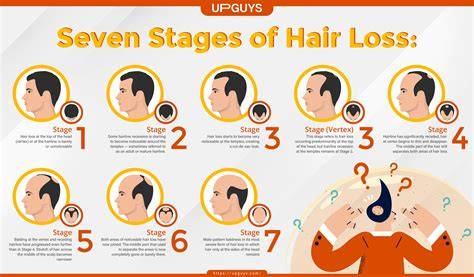
The Early Signs Of Balding (Causes and 6 Signs)
For those seeking guidance, premier dermatology practices offer patient-centric care with specialists who coordinate care with internal medicine, allergy and immunology, rheumatology, and endocrinology to diagnose autoimmune, vitamin deficiency, or thyroid-related contributing conditions.
Note: There are many forms of alopecia, including alopecia areata, androgenic alopecia, traction alopecia, telogen effluvium, and others. Understanding the specific type helps tailor the treatment approach and improve outcomes.