Lash serums may help to enhance the appearance of your lashes by improving length and thickness. However, it can also lead to side effects such as eye irritation and swelling, particularly if you have sensitive eyes. A lash serum is a topical cosmetic product applied directly to your eyelashes. It aims to enhance the appearance of your lashes by increasing growth and thickness and reducing lash loss. While lash serums may help to provide fuller and longer eyelashes, they also have several potential side effects, such as eye irritation and causing the fat around your eyes to shrink. Learn more about the effectiveness of lash serums, potential side effects, and alternative options.
What lash serums are and how they work
Lash serums may help to enhance the appearance of your lashes by improving length and thickness. Lash serums typically contain ingredients like hyaluronic acid, vitamin B5, and prostaglandin analogues (PGAs). A lash serum is a topical cosmetic product applied directly to your eyelashes. It aims to enhance the appearance of your lashes by increasing growth and thickness and reducing lash loss. Prostaglandin analogues extend the growth phase of the lash cycle, which can lead to longer, denser lashes but come with safety concerns. Some serums are marketed as prostaglandin-free and rely on peptides, vitamins, and botanical extracts to support lash health instead.
Evidence on effectiveness and timelines
A small 2020 study of 30 people found that lash serums can help to increase the length, volume, and thickness of both the upper and lower eyelashes. However, study authors noted that a larger sample size is needed to determine effectiveness and wider implications. It’s important to be patient when using a lash serum, as it may take several weeks of consistent use before you notice eyelash growth. Most prostaglandin-free eyelash serums show visible improvements in lash length and thickness within 4 to 8 weeks.
Safety and common side effects
While lash serums may help grow your lashes, they can cause several side effects. Side effects are more common in lash serums that contain PGAs, which are synthetic drugs originally used to treat glaucoma and induce labor. Lash serums containing PGAs can cause eyelid pigmentation, eye irritation, iris pigmentation, dry eyes, and eye discharge. A 2022 study also found that some people who used lash serums containing PGAs had developed a condition known as prostaglandin-associated periorbitopathy, with changes around the eye such as thinner skin and wrinkles. Prostaglandin-based serums may also contribute to chronic dry eye by thickening the meibomian gland secretions and disrupting the tear film. Rarely, eye color changes can occur, particularly in lighter-colored irises.
People with sensitive eyes, allergies, glaucoma, conjunctivitis, or other eye conditions should avoid lash serums or use them only under medical supervision. If any side effects occur, stop using the product immediately and consult a doctor. Patch testing and consulting an ophthalmologist or dermatologist before starting a serum is advisable, especially for first-time users or those with preexisting eye issues.
Prescription vs. over-the-counter options
FDA regulation for cosmetics means safety and effectiveness are not guaranteed in the same way as drugs. The FDA cannot approve cosmetic lash serums before they hit the market, though it does regulate labeling. The only prescription lash growth drug is Latisse (bimatoprost), a prostaglandin analogue that has well-documented side effects. Over-the-counter lash serums are widely available, but their safety and efficacy vary by brand. Some OTC serums emulate Latisse’s effects with prostaglandins, while prostaglandin-free options rely on peptides, vitamins, and botanicals.
Prostaglandins and their risks
Prostaglandins are lipid compounds that can extend the lash growth phase, resulting in longer and thicker lashes. However, they can cause eye irritation, eyelid darkening, iris pigmentation, and even orbital fat loss with long-term use. Best-known examples include bimatoprost (Latisse) and latanoprost used in glaucoma treatments. Given the potential for chronic dry eye and other ocular surface changes, many users seek prostaglandin-free alternatives.
Best lash serums without prostaglandins
Some prostaglandin-free formulas worth trying include Vegamour GRO Lash Serum, Plume Science Lash & Brow Enhancing Serum, LashFood Phyto-Medic Eyelash Enhancer, RevitaLash Advanced, and budget options like UKLash Sensitive. These rely on peptides (such as Myristoyl Pentapeptide-17), biotin, panthenol, plant stem cells, and botanical extracts to nourish and support lash health without hormone-like effects.
Alternatives to lash serums
If you prefer not to use lash serums, there are several alternatives to achieve fuller-looking lashes. False eyelashes and eyelash extensions offer immediate results, while mascara can enhance thickness and volume. Eyelash curlers provide temporary lift and volume. Castor oil is a popular natural option, but scientific evidence for stimulating growth is lacking; it mainly conditions and moisturizes lashes.
Practical tips for safer use
Experts emphasize that you should be vigilant about ingredient lists and avoid prostaglandin analogues if you want to minimize risk. TIP 1: Avoid ingredients associated with prostaglandin analogues, such as isopropyl cloprostenate, bimatoprost, and related compounds. TIP 2: Look for prostaglandin-free serums with peptides, biotin, panthenol, and plant extracts. TIP 3: Use prostaglandin-free serums if you have sensitive eyes, are pregnant or breastfeeding, or are new to lash serums. TIP 4: Always patch test and consider consulting an eye care professional before starting any lash product. Use at night, choose reputable brands, and avoid overuse to reduce irritation and other risks.
Frequently asked questions
- How long to see results with prostaglandin-free lash serums? Most show improvements within 4 to 8 weeks with consistent use.
- Can prostaglandin-free serums be used with contact lenses? Yes, but remove lenses before application and wait before reinserting.
- Are prostaglandin-free serums safe during pregnancy or breastfeeding? Generally safer, but consult a clinician before use.
- Do prostaglandin-free serums work on eyebrows as well? Some are multipurpose for lashes and brows; check product labeling.
- What if I stop using the serum? Lashes typically return to their natural growth cycle over time.
How to choose and use lash serums safely
When choosing a lash serum, dermatologists and eye doctors emphasize reading the ingredient list carefully and preferring products labeled as prostaglandin-free, ophthalmologist-tested, or safe for sensitive eyes. Patch testing, avoiding daily continuous use beyond recommended durations, and discussing with an eye care professional before starting are prudent steps. If you experience redness, irritation, or pigment changes, discontinue use and seek medical advice.
Practical takeaways
There is no guaranteed, side-effect-free way to make lashes dramatically longer. Prescription serums like Latisse are proven but carry risks, especially with long-term use. Over-the-counter products may seem safer but can hide prostaglandin analogues in their ingredients. For many, safer, prostaglandin-free options, proper lash care, and conservative use provide a balanced path to healthier-looking lashes.
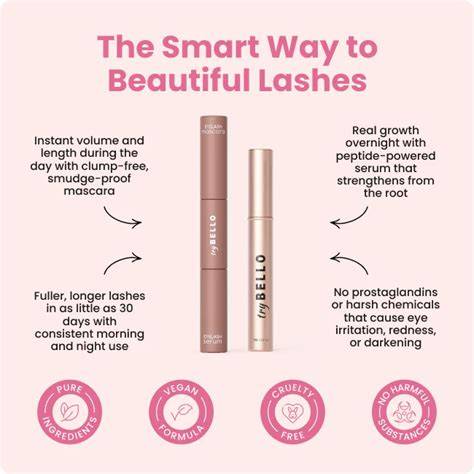
The Truth about SOWN lash serums: Are Prostaglandin-Free Lash Serums Better?
The Truth about SOWN lash serums: Are Prostaglandin-Free Lash Serums Better?
In sum, lash serums can offer visible improvements for some individuals, especially when using prostaglandin-free formulas and following expert guidance. For others, the risks-eye irritation, pigment changes, and rare orbital fat loss-may outweigh potential benefits. If longer, fuller lashes are your goal, explore a range of options, from safer serums to non-serum alternatives, and consult an eye care professional to tailor the approach to your eyes and health.