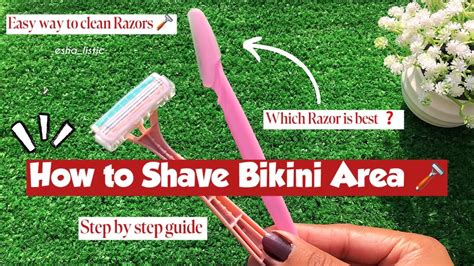
Single-blade razors can be gentler on sensitive skin and help reduce razor bumps and ingrown hairs compared to multi-blade options. A single-blade razor can be a good option for people with sensitive skin or those who are prone to razor bumps and ingrown hairs. But which is best for the bikini area? Let’s weigh the pros and cons of each razor type and explore practical tips for a smooth, irritation-free shave.
How single-blade razors work and their downsides
Single-blade razors work with one double-edged blade that cuts hair close to the skin in a single pass. They are also known as safety razors. The most traditional kind of razor, single-blade razors date back thousands of years. The first safety razor was created in 1901 by Gillette founder, King Camp Gillette. A single blade tends to be gentler because it makes fewer passes over the skin at once and is less likely to cut the hair too closely. That said, it is not automatically the best choice for everyone. Technique matters, and single-blade razors can come with a learning curve. If someone is not used to using one, there may be a higher risk of nicks or cuts.
Pros of using single-blade razors include less irritation, more control & flexibility, and a reduced risk of ingrown hairs since the hair is cut very close to the skin surface. However, the main cons are that they are more difficult to use, may produce a less close shave, and can be more expensive upfront, though blades are cheap to replace over time. They also require more time because there’s only one blade, so you might need to shave the same spot multiple times to achieve the results you want.
How multi-blade razors work and their appeal
Multi-blade razors have more than one blade in each cartridge, typically two to five blades. Five-blade razors are common and are designed to deliver a very close shave in a single pass by cutting the hair multiple times at slightly different angles. They are easier to use, provide a close shave with less effort, and are often cheaper upfront. However, irritation can be more likely for sensitive skin due to multiple blades passing over the area, and there is a greater risk of ingrown hairs since blades can lift and cut hair below the surface.
Which is better for bikini-area shaving?
For sensitive skin and prone-to-irritation areas like the bikini line, single-blade razors can be gentler and may reduce razor burn and ingrown hairs when used with proper technique. A single blade makes fewer passes over the skin, which can translate to less irritation. However, technique matters more than razor type: avoid repeated passes over the same area, ensure the blade is clean and sharp, and shave on well-lubricated skin with a gentle cream or gel, following the direction of hair growth for the first pass. If you want very close results, you can go against the grain on a second pass, but proceed cautiously and with lubrication to minimize irritation.
Multi-blade razors offer ease of use and speed, which can be appealing for bikini-area shaving. They provide a smooth glide and reduce the chance of nicks on the first pass, but they may increase irritation or ingrown hairs for sensitive skin. If you prefer multi-blade razors, prep properly and consider exfoliation before shaving and careful aftercare to minimize irritation and ingrown hairs. Replacing cartridges at the recommended interval is also important to maintain blade sharpness and reduce irritation.
Practical shaving tips for sensitive skin in the bikini area
- Hydrate the skin well with a gentle shaving cream or gel, and shave in the direction of hair growth on the first pass.
- Avoid applying pressure; let the blade do the work to reduce nicks and irritation.
- Keep blades clean and sharp to minimize pulling and skin trauma.
- Moisturize after shaving and avoid harsh active ingredients immediately afterward.
- Consider a pre-shave routine like gentle exfoliation to reduce the risk of ingrown hairs.
Care and maintenance for longevity and safety
Single-blade razors require careful handling, especially for beginners. Slower shaving speed and proper angle help reduce the risk of cuts. For beginners, a 30-degree angle with light pressure is a helpful guideline, and ensuring the blade and razor are dry when not in use can prevent rust. Replacing blades when dull (roughly every five to seven uses for single-blade razors) ensures a safer shave with fewer passes. For multi-blade razors, replace cartridges every five to ten uses to maintain sharpness and reduce irritation.
Feeling inspired by real-world experiences
The single-blade concept is echoed by practical experiences and product innovations in the market. For example, the Hanni Weighted Razor (a modern single-blade design) emphasizes minimal pressure, a precise 30-degree angle, and durable construction, aimed at reducing irritation and providing a clean, close shave. A complementary Shave Pillow gel offers lubrication and moisture, aiding comfort and reducing friction. Dermatologists note that single-blade razors can be advantageous for sensitive skin and those prone to ingrown hairs, especially when used with proper technique and skincare steps.