Bed bugs are small, flat, reddish-brown insects that feed on human blood and are often associated with beds, furniture, and travel. While they can bite the scalp, it is unlikely that bed bugs live in hair for long or nest there. This article compiles key facts and practical guidance drawn from the provided material to give a clear view of bed bugs’ relationship with the scalp and hair.
What are bed bugs capable of and can they stay in your hair?
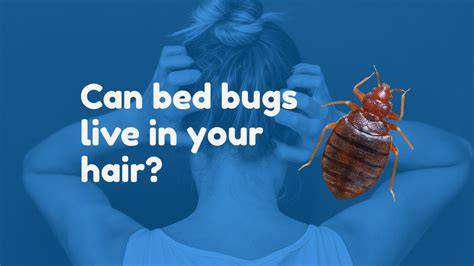
Contrary to popular belief, bed bugs do not actually live in hair, though they may bite at the scalp. They prefer dark, secluded spaces such as behind beds, between furniture and walls, or within cracks on the floor. Being nocturnal, bed bugs typically come out at night to feed while hosts are dormant and then retreat to their harborage to digest. If a bed bug does leave its harborages to find food, it may walk across hair to reach skin, but it is unlikely to crawl through the depths of the hair or stay there long.
Bed bugs are not adapted to cling to hair shafts like lice. They lack the gripping claws that lice use to hold onto hair and their bodies are not designed for living on a moving host. If a bed bug happens to end up in hair, it will usually be washed away with heat or simply retreat back to hiding spaces after feeding. In short: bed bugs can cross hair briefly, but they do not live in the hair over the long term.
Anatomy and how bed bugs differ from other hair-inhabiting pests
Bed bugs are typically 4-5 mm long with flattened, apple seed-shaped bodies. Adults range from rusty brown to reddish-brown, and nymphs are nearly colorless before feeding. They lack body parts that would help them stay in hair. Unlike head lice, which have hooked legs built for gripping hair, bed bugs lack such adaptations. Ticks and mites have eight legs, whereas bed bugs have six, and they prefer to hide in bedding and furniture rather than on the host’s body.
Hair movement and hair length can influence bed bug behavior. A Sheffield University study found that longer body hair can slow bed bugs down as they search for skin to feed on, and finer hairs can serve as a warning sign for the host due to increased nerve perception. This reinforces why bed bugs do not thrive in hair and will generally avoid being on the scalp for extended periods.
How bed bugs migrate and how to prevent them
Bed bugs migrate by hitching rides on luggage, clothing, and furniture when traveling. They can move between locations if infested items are transported, or if they are carried within walls or through multi-unit buildings. They are excellent hitchhikers and can spread far beyond a single room or home. Prevention steps include decluttering, regular inspection of hiding spots, sealing cracks, and addressing any signs of infestation promptly.
If you suspect bed bugs, it is advisable to seek professional pest control, especially for severe infestations. While heat exposure, vacuuming, and thorough cleaning can reduce numbers, complete eradication typically requires targeted treatments by professionals.
Bed bugs vs. other scalp insects and conditions
Head lice are wingless insects that spend their lives on the scalp and have hooked legs to cling to hair. They can be seen with the naked eye and are often located at the base of hair shafts. Fleas can bite and hop but do not usually reside in human hair. Ants, bed bugs, and mites differ in their typical habitats and capabilities. If you find live insects in your hair, most likely it is head lice rather than bed bugs.
Other scalp conditions, such as dandruff and psoriasis, can cause itching and flakes but are not caused by bed bugs. Dandruff flakes are white and separate from the hair shaft, while lice are small moving bugs attached to hair follicles. If you’re unsure about the cause of an itchy scalp, bright light and magnification can help clarify what you’re seeing, and a healthcare professional can provide a definitive diagnosis.
Practical guidance if you find bugs on your scalp
If you find bugs in your hair, you can start by inspecting with a flashlight and magnifying glass, then determine whether it’s lice or another condition. Treat the condition appropriately: medication or medicated shampoos for lice, or environmental control for bed bugs if an infestation is suspected in the home. For bed bugs, you should also inspect and treat surrounding areas such as bedding, furniture, and seams where bugs hide.
Bed bugs themselves do not typically bite the scalp in a way that requires scalp-specific treatment; bites are usually near exposed skin and can cause itching and irritation that may become infected if scratched. If bites appear near the hairline, it often means the bug fed on exposed skin near the neck or forehead, while the bug itself remains in nearby hiding spaces.
In cases of suspicion or uncertainty, consulting a healthcare professional or a pest control expert can help confirm whether you have head lice or bed bugs and guide effective treatment and prevention strategies. Bed bugs are not disease carriers, but infestations can be challenging to control and may require professional intervention for complete elimination.
Summary guidance
- Bed bugs are unlikely to live in the hair; they may cross it briefly while feeding.
- They prefer to hide in beds, furniture, and cracks near sleeping areas.
- Head lice, not bed bugs, live on the scalp and are equipped to cling to hair.
- Travel and processed goods can spread bed bugs; prevention includes inspection and sealing entry points.