Blonde hair with highlights and lowlights is an excellent way to add depth, dimension and vibrancy with the combination of lighter and darker tones creating a multi-dimensional effect that makes the hair appear fuller, more dynamic, and visually interesting. Blonde hair with highlights and lowlights offers versatility because it allows for a range of looks, from subtle sun-kissed styles to bolder, contrasting effects. Highlights vs. Highlights add lighter shades to hair strands, creating contrast and brightness, while low lights add darker shades to create depth and dimension. Highlights work well for anyone aiming for a sun-kissed, natural look with added texture because they mimic the way that the sun naturally lightens the hair, creating depth and dimension. Lowlights are an excellent way to add depth, dimension, and a more natural look to blonde hair, preventing it from appearing flat and one-dimensional. By strategically placing darker strands of hair throughout the blonde, lowlights create contrast and richness, mimicking the natural variations found in hair with sun-kissed dimension.
Choosing a highlighting or lowlighting technique that complements your hair texture is recommended to achieve a look that is natural and flattering. For example, straight hair often shows off highlights and lowlights in a more defined way, giving it a smooth, polished look. The contrast can make the hair look sleek and shiny. Curly hair, on the other hand, tends to suit softer, more blended tones. This helps the colour flow naturally with the curls and adds depth without looking too bold. The tone of blonde highlights and lowlights can be adjusted to suit different base shades of blonde. Cooler blondes often work well with ashy highlights or even platinum lowlights to add contrast and brightness. For warmer blondes, golden or honey tones can create a softer, more natural look.
Blonde hair with highlights and lowlights does require regular maintenance to keep the tones looking fresh and balanced. Over time, colour can fade or shift, especially with sun exposure or frequent washing. For those looking to reduce upkeep, low-maintenance techniques like balayage or babylights are great options; they blend softly into the hair and grow out more naturally.
Popular Highlighting and Balayage Techniques
- Ash brown is a cool-toned brown with a slightly smoky finish. Ash brown highlights can gently lift darker hair, while lowlights can tone down lighter hair and add richness. It’s a great way to keep your colour looking soft and natural. Suitable Hair Types: Works best on naturally light to medium blonde hair, but can also be achieved on darker hair with lightening. Styling Tips: Use a texturising spray to bring out movement and give your hair a soft, lived-in finish.
- Blonde and brown face-framing highlights add soft or more striking streaks of blonde and brown around the face to brighten. It’s a great way to refresh a look without committing to a full head of colour. Whether subtle or high-contrast, it can be a very flattering choice. Styling Tips: Blow-dry the front sections away from the face or curl them softly to showcase the colour contrast.
- A Blonde and brown balayage uses a freehand painting technique to create a seamless, sun-kissed blend of colour. It’s perfect for adding dimension and depth without harsh lines and is a lower-maintenance option. The mix of tones makes the look multi-dimensional and natural. Suitable Hair Types: Ideal for medium to long hair and suits straight, wavy, or curly textures. Styling Tips: Add loose waves to highlight the different tones.
- Brown and blonde natural colour blocking features bold, sectioned panels of brown and blonde that contrast without harsh stripes. It’s a softer take on traditional colour blocking, offering a more wearable and natural result with a stylish edge. Styling Tips: Style sleek and straight to emphasise the separation between tones.
- Brown and blonde dip-dye highlights involve the ends of the hair being dyed blonde, while the roots and mid-lengths stay brown. It’s a bold, playful style with a clear contrast that is relatively low maintenance. Suitable Hair Types: Best on medium to long hair. Styling Tips: Try beach waves or a half-up style to showcase the two-tone effect.
- Brown to blonde ombre hair features a smooth, gradual transition from darker brown roots to lighter blonde ends. It creates a natural, sun-kissed look that’s soft and flattering. This style adds dimension and light without the need for frequent touch-ups.
- Chunky blonde and brown highlights mix thick sections of blonde and brown for a striking, statement-making look. This style adds contrast and volume, giving the hair a vibrant, dimensional appearance. Styling Tips: Create volume with a root-lifting mousse or blow-dry for fullness.
- Brown and blonde babylights on short hair are very fine, delicate highlights that add subtle brightness and depth without harsh contrast. On short brown hair, they create a soft shimmer effect and natural dimension.
- Red, blonde, brown highlights are a warm colour blend featuring tones of red, blonde, and brown that create a rich, vibrant dimension. It’s perfect for adding warmth and vibrancy to brown or strawberry blonde hair. Styling Tips: Soft curls or waves help blend the tones seamlessly.
- Mushroom blonde and brown foilyage highlights blend cool, earthy tones with soft highlights placed using a foil and balayage combo. It offers a smoky, multi-dimensional finish that’s subtle yet striking.
- Golden blonde hair brightened with warm lowlights adds depth and dimension, preventing the colour from looking flat or one-dimensional. This blend creates a rich, sun-kissed glow with a natural finish.
- Golden blonde highlights on brown curly hair add brightness and definition, accentuating the natural curl pattern and giving hair a vibrant, sunlit effect.
- Champagne blonde lowlights balayage is a mix of cool champagne blonde tones with soft lowlights painted in a balayage style, creating a refined and dimensional hair colour. Styling Tips: Style with loose waves to showcase the tonal variations.
- Adding dark brown lowlights to blonde hair creates a striking contrast and depth, adding richness to a light base and preventing the colour from appearing flat.
- Honey blonde with light brown lowlights, a warm blend pairs honey blonde with soft light brown lowlights, giving a natural sun-kissed look that adds warmth and depth. Styling Tips: Add soft curls to boost dimension or wear hair straight for a polished look.
- Soft, dirty blonde lowlights added to white blonde hair create a natural, lived-in look that tones down the brightness without losing the icy cool effect. This blend adds dimension and prevents the hair from looking too stark. Styling Tips: Use smoothing serums to maintain shine and reduce frizz.
- Bright blonde money pieces frame the face with bold blonde highlights, while dark lowlights throughout add contrast and depth to the rest of the hair. This style creates a striking and modern look. Styling Tips: Wear hair sleek and straight to showcase the sharp contrast, or add loose curls for a softer effect.
- Dark blonde lowlights on platinum blonde hair soften the brightness and add natural-looking depth. This multi-dimensional style blends light and dark tones seamlessly for a luxe finish.
To keep blonde highlights looking vibrant and healthy, it’s important to use colour-safe products. For cooler blonde tones, incorporating a purple or toning shampoo into your routine can help combat brassiness and maintain a fresh, clean finish. Blonde hair with highlights and lowlights can become dry and porous over time, especially after lightening treatments. Regular deep conditioning is essential to help restore moisture, improve elasticity, and bring back shine. Lightened hair is more vulnerable to heat damage, so protecting it before styling is important. This adds a protective barrier that helps reduce breakage and dryness. For blonde hair with highlights and lowlights, this extra step can make a big difference in keeping your strands healthy, smooth, and shiny. Regular salon visits are important for keeping blonde highlights and lowlights looking their best. Root touch-ups every 6-8 weeks help maintain a seamless blend, while trims keep your hair in shape and prevent split ends.
Balayage vs. Foils vs. Ombré: How They Differ
Balayage is a hand-painted technique that creates a natural, sun-kissed effect, focusing on mid-lengths and ends with a soft grow-out. Foils provide precise, brighter, and more defined highlights with noticeable lift, while ombré describes a gradual fade from dark roots to lighter ends. These techniques don’t have to be mutually exclusive, and you can mix and match for a dynamic look. A consultation helps determine the best approach for your natural color, texture, and lifestyle.
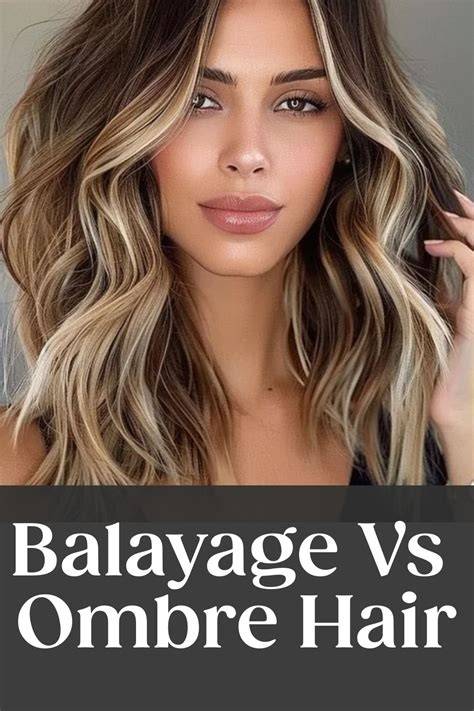
Balayage offers a softer grow-out, often requiring fewer visits, whereas traditional foils tend to need more frequent touch-ups. The best choice depends on your desired outcome, maintenance willingness, and hair health.
Maintenance and Longevity
Balayage is one of the most low-maintenance options due to its natural grow-out. You might only need a full touch-up every 12-16 weeks, while gloss treatments every 8-12 weeks refresh tone and shine. Most clients with highlights visit every 6-8 weeks for touch-ups and glosses, with some needing root touch-ups every 4-6 weeks if their natural hair is darker. A personalized maintenance plan ensures hair remains healthy and color stays vibrant.
5 Things You MUST Know After Coloring Your Hair
Color and Skin Tone: Finding Your Best Blonde
Your skin undertone is the key to choosing blonde highlights that will make you glow. Cool undertones pair with platinum or ash shades, warm undertones with honey or golden tones, and neutral undertones can wear almost any blonde shade. A professional consultation helps test how different color temperatures interact with your complexion to ensure the most radiant result.
When selecting tones, consider your eye color as well. Cool ash blondes can make blue eyes pop, while warm honey tones enrich brown or hazel eyes. The goal is to harmonize your hair with your natural features for a flattering, cohesive look.
Clip-Ready Quick Tips for Everyday Care
- Use purple shampoo for cooler blondes to combat brassiness; do this 1-2 times per week as needed.
- Opt for sulfate-free cleansers to preserve color and moisture.
- Deep condition regularly to maintain elasticity and shine.
- Always apply heat protectant before styling to minimize damage.
- Protect hair from UV exposure with hats or SPF-laden products.
- Rinse with cool water to seal the cuticle and lock in color.
- Schedule regular trims to keep ends healthy and color looking fresh.
Frequently Asked Questions
- Can I do highlights and lowlights at the same time? Yes, combining both can create a more natural, multi-dimensional look.
- How often should I touch up blonde highlights and lowlights? Every 6-8 weeks is ideal to maintain color and blend new growth, though this can vary based on hair type and technique.
- What is the difference between balayage, highlights, and ombré? Balayage is a hand-painted, natural blend; highlights are structured foils for brightness; ombré is a gradual root-to-end fade. You can mix techniques for a dynamic result.
- Is blonding the same as highlights? Blonding is a full-lightening process across the head with toning; highlights lighten select strands for dimension and movement. They serve different purposes and results.
Ready to refresh your look? The right combination of shade, technique, and placement can transform blonde hair with highlights and lowlights into a versatile, radiant style that grows out gracefully and maintains health with proper care.
tags: #blonde #highlights #on #blonde #hair