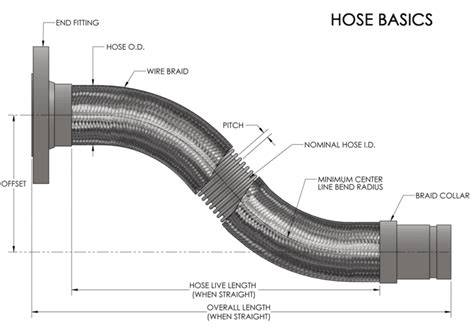
Braided oil hose is a critical component in many automotive, industrial, and aerospace applications, offering enhanced strength, pressure resistance, and durability under demanding conditions. This article compiles essential knowledge about braided oil hoses, including materials, construction, performance characteristics, installation considerations, common failure modes, and maintenance best practices.
What is braided oil hose?
A braided oil hose consists of an inner conduit that transports oil or oil-based fluids, surrounded by a reinforcement braid and an outer protective cover. The braid, typically made of stainless steel or high-tensile synthetic fibers, provides reinforcement against internal pressure, external abrasion, and mechanical stress. The inner lining is designed to resist chemical attack from oils, fuels, and additives, while the outer cover protects against environmental exposure and wear.
Materials and construction
Common materials for braided oil hoses include:
- Inner tube: Nitrile rubber (NBR), fluorinated elastomers (FKM/Viton), or blend formulations offering oil resistance and temperature tolerance.
- Braid reinforcement: Stainless steel (AISI 304/316) or aramid fibers for high-pressure and high-flex applications.
- Outer cover: Neoprene, polyurethane, or elastomer blends designed for abrasion resistance and environmental protection.
The construction typically features continuous braiding with precise braid angle control to optimize flexibility and pressure containment. Fittings are attached to the ends using crimping, swaging, or bonding methods, forming a sealed, leak-resistant assembly.
Performance characteristics
Key performance factors for braided oil hoses include:
- Pressure rating: Determines the maximum internal pressure the hose can safely handle without deformation or rupture.
- Temperature range: Indicates the operating temperatures the hose can withstand without degradation of the inner material, braid, or outer cover.
- Chemical compatibility: Ensures resistance to lubricants, fuels, and additives used in the intended system.
- Flexural fatigue life: Reflects the hose’s ability to withstand repeated bending and movement without cracking or losing integrity.
- Abrasion and environmental resistance: Protects against wear from routing, vibration, and exposure to the elements.
Applications and selection considerations
Braided oil hoses are used in:
- Automotive fuel and lubrication lines, including high-performance engines and turbocharged setups.
- Industrial hydraulic systems where high-pressure oil transport is required.
- Aerospace and marine applications demanding robust performance under harsh conditions.
When selecting a braided oil hose, consider:
- Operating pressure and burst pressure margins to ensure safe operation under peak conditions.
- Oil or fluid type, including compatibility with synthetic or mineral-based lubricants and fuels.
- Operating temperature range and potential exposure to heat sources or cooling cycles.
- Bend radius and routing constraints to minimize stress concentrations and vibration.
- Fitting compatibility and installation method to ensure a secure, leak-free connection.
Installation and maintenance best practices
To maximize reliability and service life, follow these guidelines:
- Inspect hoses for signs of wear, cracking, corrosion on fittings, or delamination of the braid and cover before installation.
- Ensure proper bend radius, avoiding sharp turns that can cause kinking or fatigue damage.
- Use appropriate clamps or supports to prevent movement and abrasion along routing paths.
- Verify compatibility of sealing materials and fittings to prevent leaks at connection points.
- Replace hoses that show any sign of damage, contamination, or degradation rather than attempting field repairs.
Common failure modes and troubleshooting
Failure modes often observed in braided oil hoses include:
- Internal hose wear from abrasive fluids or high-frequency bending, leading to leaks or flow restriction.
- Corrosion or wear at fittings, causing slow leaks or sudden failure under pressure.
- Braid damage or fraying due to impact, abrasion, or improper routing, reducing structural integrity.
- Swelling or softening of the inner lining from incompatible fluids or high temperatures, resulting in pressure instability.
Troubleshooting steps:
- Check for visible signs of damage, leaks, or corrosion along the hose length and fittings.
- Test pressure in a controlled environment to verify integrity and identify leaks.
- Review fluid compatibility and operating temperature against hose specifications.
Tables and data (summary)
| Component | Typical Materials | Key Considerations |
|---|---|---|
| Inner tube | NBR, FKM, blends | Oil resistance, temperature tolerance |
| Braid | Stainless steel, aramid | Pressure containment, abrasion resistance |
| Outer cover | Neoprene, PU | Abrasion and environmental protection |
Temperature and pressure ranges vary by model and manufacturer; always consult the specific hose catalog for exact numbers and compatibility data.
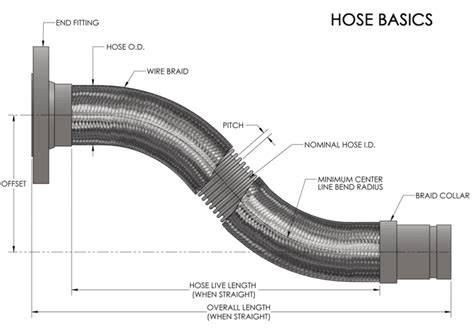
Visual aids and further learning
Infographics and diagrams illustrating braided hose cross-sections, braid patterns, and fitting types can enhance understanding of construction and performance. The following media are recommended to accompany this article: