The lying hamstring curl is an exercise you can do with a weight machine to work the muscle in the back of the thigh. As the name implies, the lying hamstring curl targets the hamstring muscle, located here. To do a lying hamstring curl with a weight machine, start by lying on your stomach on the weight bench. Position the pad just above your ankles. Slowly bend your knees, pulling your feet toward your buttocks. Only go as far as you can without feeling your pelvis or spine move. Then slowly return to the starting position. When you're doing a lying hamstring curl, use the handgrip for support only. Let your leg muscles do most of the work.
Muscle Focus and Benefits
The lying leg curl primarily targets the biceps femoris, semitendinosus, and semimembranosus - the hamstring group. Strengthening these muscles supports knee joint stability, improves sprint mechanics, reduces injury risk, and complements exercises like deadlifts and squats. A proper lying curl emphasizes knee flexion while keeping the hips relatively still to isolate the hamstrings effectively.
Setup and Equipment Considerations
Place yourself face down on the bench so that your hips rest securely and your ankles sit just beyond the pad. The pad should apply gentle pressure just above the ankles, allowing full knee flexion without pinching the joint. Attach the pad or lever to a comfortable resistance level that allows controlled, smooth motion through the entire range of motion.
Execution Cues for Safety and Effectiveness
Back flat and chin tucked minimizes spine movement; avoid arching or lifting the pelvis during the curl. Initiate knee flexion with a controlled squeeze of the hamstrings, and resist the weight on the way down to maximize time under tension. Use the handgrip for light stabilization only, and let the leg muscles do the work. If you feel any pinching in the knee or low back, adjust the pad height or reduce weight.
Common Variations and Progressions
Standard lying leg curl can be adjusted by tempo-two seconds up, two seconds down-to enhance time under tension. You can increase difficulty by adding a short pause at peak contraction or performing unilateral curls on each leg to address imbalances. For more resistance, gradually increase weight while maintaining strict form.
Technique Pitfalls to Avoid
Avoid letting the hips rise or rotate during the movement, which can shift the load away from the hamstrings and toward the lower back. Don’t jerk the weight or use momentum to complete reps; uncontrolled motion reduces effectiveness and raises injury risk. If the pad sits too high or too low, knee range of motion can be compromised and coaching cues may need adjustment.
Programming Considerations
Incorporate lying hamstring curls into a balanced leg or posterior chain routine. Pair with compound hip-dominant moves (e.g., deadlifts) and quad-dominant movements (e.g., squats) to maintain muscular balance. For hypertrophy goals, aim for 3-4 sets of 8-12 reps with progressive overload. For endurance or rehab contexts, higher rep ranges with lighter loads can be appropriate under professional guidance.
Practical Tips for Home or Gym Use
Ensure proper ankle pad positioning to avoid discomfort and to maximize hamstring engagement. If using a cable-based machine, verify that the ankle pad is aligned and that the cable movement mirrors a natural leg curl path. Warm up the hamstrings with light cardio and dynamic stretches before heavy sets.
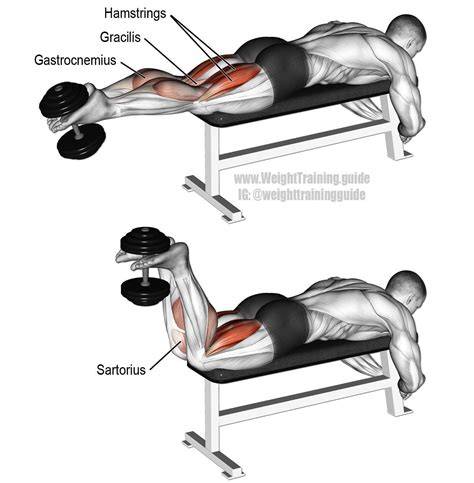
How to Lying Hamstring Curl | Proper Technique, Set Up, & Mistakes
A well-executed lying leg curl can play a crucial role in building posterior chain strength and resilience, supporting athletic performance and daily activities alike.