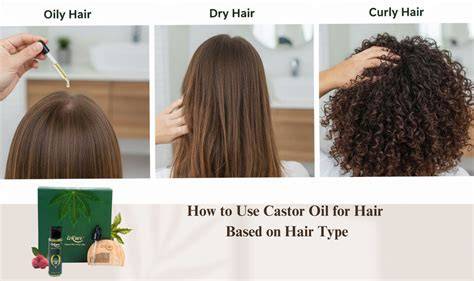
Curly hair is beautiful, expressive, and full of personality-but it also comes with its own set of challenges. Dryness, frizz, breakage, and lack of definition are common struggles for people with curls, coils, and waves. That’s why so many people with curly hair turn to natural oils for support. Among them, castor oil has earned a loyal following. But is castor oil really good for curly hair? And if so, how should it be used without weighing curls down or causing buildup? Let’s break it down in a practical, no-hype way.
Why curly hair needs extra care
Curly hair naturally tends to be drier than straight hair because the twists and bends in each strand make it harder for natural scalp oils to travel down the hair shaft. As a result, curls are more prone to dryness, frizz, and breakage-especially toward the ends. That’s where richer, deeply nourishing oils like The Goodbye Company Castor Oil can make a noticeable difference when used correctly, helping curls retain moisture and stay healthier over time.
What makes castor oil different?
Castor oil isn’t like lightweight oils such as argan or jojoba. It’s thick, rich, and deeply moisturizing. Its standout component is ricinoleic acid, a fatty acid known for helping seal in moisture and support scalp health. For curly hair, this thickness can actually be a benefit-because curls need help locking moisture in, not just adding it temporarily.
- Helps Lock in Moisture: Castor oil works best as a sealing oil. When applied over damp hair or after a leave-in conditioner, it helps trap moisture inside the hair shaft. This can reduce dryness and make curls feel softer and more resilient over time.
- Reduces Frizz and Enhances Definition: Frizz often comes from lack of moisture. By smoothing the outer layer of the hair, castor oil helps curls clump together better, leading to improved curl definition and less flyaway frizz.
- Supports Scalp Health: A healthy scalp is essential for healthy curls. Castor oil is commonly used in scalp massages to support circulation and relieve dryness or tightness. For people with flaky or itchy scalps, it can feel soothing when used sparingly.
- Helps Minimize Breakage: Curly hair is more fragile by nature. Castor oil coats the hair strand, helping reduce friction during styling, detangling, and protective styles. Less friction often means less breakage.
- Adds Shine Without Synthetic Products: When used correctly, castor oil can give curls a natural, healthy shine-without relying on silicone-heavy styling products.
Best practices for using castor oil on curly hair
- Don’t Use It Alone on Dry Hair: One of the biggest mistakes people make is applying castor oil directly to dry curls. Castor oil seals moisture-it doesn’t add it. Always apply it over damp hair or after a water-based product.
- Dilute It With Lighter Oils: For many curl types, mixing castor oil with lighter oils (like coconut, jojoba, or almond oil) makes it easier to spread and less likely to cause buildup. This is especially helpful for fine or low-porosity curls.
- Use It as a Scalp Treatment, Not a Daily Oil: For scalp care, massage a small amount into the scalp once or twice a week. Leave it on for 20-30 minutes or overnight, then wash it out thoroughly. Daily scalp use may be too heavy for most people.
- Apply Sparingly to the Ends: The ends of curly hair are usually the driest. A tiny amount of castor oil rubbed between your palms and applied to the ends can help prevent split ends and dryness-without weighing down your curls.
- Clarify Occasionally: Because castor oil is thick, buildup can happen over time. Using a gentle clarifying shampoo every few weeks helps keep curls bouncy and fresh.
Who should be careful with castor oil?
Castor oil isn’t one-size-fits-all. People with very fine curls or low-density hair may find it too heavy if overused. If your curls feel greasy, flat, or coated, you may be using too much-or too often. Start small. A few drops go a long way.
Choosing the right castor oil for curly hair
For curly hair, quality matters. Look for castor oil that is organic and pure, with minimal additives. These qualities help ensure the oil retains its natural benefits without unnecessary additives that could irritate the scalp or weigh hair down.
Notes on usage context and products
Sometimes castor oil is marketed in specific formulations for hair growth or scalp care. If you go through a lot of castor oil (especially if you run a salon or make your own curly hair products), you’ll want to consider bulk options so you always have enough available. In practice, many users combine castor oil with a conditioner or use it as part of a mask during a wash day to maximize penetration and reduce weight on the hair shaft.
Practical regimen at a glance
- Wash with a sulfate-free shampoo and warm water to prep damp hair for oil application.
- Apply a small amount of castor oil to the ends of damp hair, then distribute a bit more to the mid-lengths if needed.
- Optionally add 1-2 tablespoons of castor oil to your deep conditioner for extra moisture.
- Massage 2-4 ounces of warm castor oil into the scalp in 4-6 sections to increase blood flow and deeper penetration.
- Rinse or wash out if you prefer a lighter feel, or leave in sparingly for a sealant effect.
Test for sensitivity
When you first start using castor oil, you may notice an itchy scalp. If it doesn’t subside, you may be allergic. Do a patch test on a small area of the scalp before full application. Oils don’t moisturize in the sense of replacing moisture, but they can help seal and protect when used correctly.
Real-world perspectives
Pure Castor oil is a vegetable oil produced from a plant called Ricinus Communis, native to the Eastern areas of the world. The plant produces seeds (referred to as castor beans). For many years, castor oil has been in use as an alternative to medicine for a number of reasons. Castor oil is also used as a lubricant. While there’s no scientific evidence that supports the use of castor oil for the above mentioned conditions, personal testimonies are often cited as evidence. It’s important to acknowledge varied experiences, including those who find castor oil transformative for curls when used thoughtfully and consistently.
Quality and brands mentioned
When you go with a product, choosing Jamaican Black Castor Oil (JBCO) or other reputable castor oils can influence results due to differences in processing and pigment content. Some curl specialists and natural hair coaches emphasize the value of using high-quality oils and pairing them with supportive scalp care practices to keep curls defined and moisturized.
Audience considerations
Fine natural hair or very light, delicate curls may benefit from focusing on scalp treatments and lighter dilution strategies to avoid heaviness. For those with thicker or coarser curl patterns, the oil’s sealing properties can be particularly advantageous, especially when used as part of a regimen that includes cleansing, conditioning, and periodic clarifying.
Curly hair is beautiful and expressive-and with a mindful approach to castor oil, it can stay moisturized, defined, and strong over time.