Earwax may be gross, but the truth is, it’s not medically necessary to remove it. In fact, your body naturally produces this yellowish wax (cerumen) as a protective mechanism for your ear canal. The ear canal is self-cleaning, pushing wax out of the canal where it eventually dries, flakes and falls out on its own. However, some people produce more wax than their body is able to remove, leading to buildup over time. This condition, known as impacted earwax, can cause discomfort or other problems.
There are many common misconceptions about ear care. The symptoms of impacted earwax can seem like other health conditions or problems. If you have any of these symptoms, talk with your care team to get a proper diagnosis. Your physician can check for impacted earwax using an otoscope, a handheld device with a light and magnifying lens. Through the otoscope, your physician can look at the amount and consistency of your earwax and determine if it’s blocking your ear canal. Treatment depends on your symptoms, age and health history. It also depends on the severity of your wax buildup.
What to avoid and why
Several common home methods are not recommended, as they can do more harm than good. Ear candling is not recommended because it can cause burns and lead to wax getting stuck in your ear. At-home ear vacuum kits and earwax removal tools with cameras are also not recommended as they can cause ear problems like eardrum punctures and damage to your ear canal. The skin in your ear canal is thin and fragile, and pushing wax deeper with improper tools can worsen the problem. Cotton swabs, earbuds, hearing aids and swim plugs can also push wax deeper with repeated use. Everyone has different ear canal physiology, and while some people must have their wax removed every few months, most people never need to worry about it.
Do not attempt to dig out pieces of earwax with toothpicks, match sticks or other devices. These objects can scratch the ear canal and cause an infection, and cotton swabs push wax deeper into the ear rather than removing it. Some methods, like ear candling, have not been proven effective and may pose serious risks, especially for children.
Safe, at-home approaches for mild buildup
Earwax is good in moderation. It protects the ear canal, traps dust, and has antibacterial properties. For mild buildup, the following approaches are commonly recommended and generally safe for most people, provided there is no history of ear perforation or recent ear surgery:
- Over-the-counter ear cleaning drops: Look for drops that contain hydrogen peroxide or other peroxide-type agents to help soften wax. Use as directed, usually by tilting the head, applying the drops, and waiting a few minutes before letting the liquid drain out with the ear tilted down.
- Bulb syringe irrigation: If drops do not resolve the issue, you can use a bulb syringe with warm water to gently flush the ear. Be sure the water is body temperature and squirt gently to avoid injury; tilt the head to allow water and wax to drain away.
- Mineral oil or olive oil: A small amount of oil in the ear can lubricate and help soften wax, making it easier to remove during subsequent cleaning. This is often used before episodes of flushing or showering.
- Gentle external cleaning: After a shower, you can wipe the outer part of the ear with a damp cloth or use a damp cloth to remove wax at the opening. Do not insert objects into the ear canal.
If you choose to use ear drops, lie on your side so the affected ear is upward, apply the drops, and keep them in for several minutes before sitting up to let them drain. If you have multiple risk factors or a history of ear problems, consult a clinician before attempting home treatments.
When and why you should see a professional
Most people do not require professional cleaning. However, you should seek medical attention if:
- You experience ear pain, discharge, or a fever
- You notice a significant hearing loss or muffled hearing
- Your symptoms persist after home treatment or you suspect a plugged ear
- You have a history of eardrum perforation, ear tubes, or prior ear surgery
In a clinic, a professional may use an operating microscope to magnify the ear canal, loosen the wax, and remove it with suction or specialized instruments. Some cases may require irrigation under controlled conditions to prevent damage.
Common questions and practical tips
- Earwax is not dirty or a sign of poor hygiene; it is a normal protective substance in the ear canal.
- Different people produce different amounts of earwax; some may need periodic cleaning while others do not.
- Earwax removal should be conservative; removing all wax is not always necessary and can sometimes cause more problems.
- Safe at-home steps are best used for mild buildup, and you should stop if you experience pain, dizziness or worsening symptoms.
Simple at-home routine to ease mild wax buildup
Step-by-step routine you can try if advised by a clinician for mild buildup:
- Apply a few drops of an appropriate ear drop: hydrogen peroxide-based or mineral oil as directed.
- Wait the recommended time, then gently flush with lukewarm water using a bulb syringe if advised.
- Dry the ear thoroughly after flushing, avoiding insertion of any objects into the ear canal.
- If symptoms persist, consult a professional to rule out other conditions or to perform safe removal.
Remember: ears are self-cleaning to a large extent. The outer ear can be wiped with a damp cloth, but the inner canal should generally be left to natural processes or treated under professional guidance if needed.
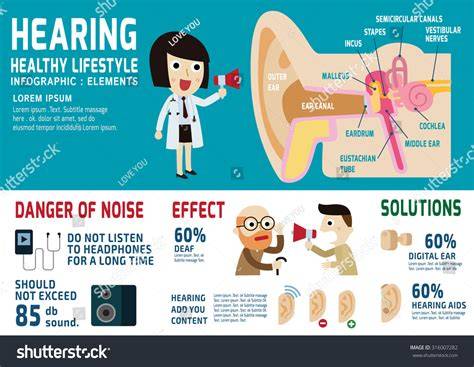
For more detailed guidance, consult with a healthcare professional or an audiologist who can tailor advice to your history and ear anatomy. The safest approach is to use gentle, approved methods and avoid inserting objects into the ear canal.