Color rinse for blonde hair offers a temporary, non-damaging way to refresh color, reduce brassiness, and blend away gray between color treatments. It’s a quick, easy step that can enhance vibrancy without long-term commitment, making it a popular option for those who want salon-like results at home.
What is a hair color rinse and how does it differ from other color options?
When you color with a rinse, the color sits on the outer layer of the hair cuticle rather than penetrating the shaft. This makes it closer to a gloss or glaze rather than a permanent dye. Unlike semi-permanent colors, a rinse doesn’t fully coat the hair, and unlike traditional permanent dyes, it doesn’t rely on a developer to alter the hair’s structure. As a result, color rinses provide a temporary change that can be refreshed with future applications.
In practice, a color rinse is applied to wet hair and left on for only a few minutes. It’s designed to be washed out with the next shampoo, which means maintenance is flexible and straightforward. For blondes, color rinses are especially useful for countering brassiness and maintaining cool tones during color-treated periods.
Key features and benefits
Color rinses are often marketed as color-boosting, toning, or clarifying tools that support color-treated hair. They offer several advantages:
- Evens tones and minimizes brassiness between color sessions.
- Blends away gray and refreshes vibrancy without long-term commitment.
- Instant color that is non-damaging because it does not penetrate the hair shaft.
- Added styling lotion or conditioning components allow coloring and styling in one step.
- Can be used to refresh natural or color-treated hair without ammonia.
How to use hair color rinse correctly
To achieve the best results, follow these steps:
- Shampoo the hair and rinse well.
- Towel dry the hair.
- With rubber gloves, raise the applicator tip close to the hair and apply evenly.
- Work the color through the hair with your fingers, then comb through to ensure even distribution and saturation of every strand.
- Blow-dry and style as desired.
- If color bleeding occurs at the hairline during face washing, dab a little rinse on the line with a cotton swab to reset the edges.
- When applying, use a comb to ensure even distribution.
For continued evenness, select a shade that complements your skin tone and natural color. Remember that rinses are temporary and typically require reapplication to maintain the look.
Duration and maintenance
The longevity of a color rinse depends on several factors: the specific product, hair porosity, shade, and your hair care routine. Salon versions often last longer than DIY at-home options, but at-home applications can be refreshed more conveniently and frequently. Regular use of color-safe, color-treated hair shampoos and conditioners helps extend the life of the rinse. Hydration is key to maintaining vibrancy and preventing fade.
It’s important to manage expectations: color rinses do not lighten hair. They add color or enhance existing tones, and overuse can potentially lead to buildup or dullness if not matched with proper cleansing. Each rinse typically lasts one to four weeks, depending on the product and maintenance routine.
Choosing the right rinse shade for blonde hair
The goal is to harmonize the shade with your complexion and preferred look. Consider skin tone, natural hair color, and whether you want to match or contrast with your base color. For blondes, cool tones like ash or platinum can counter warm brassiness, while warmer blondes can benefit from honey or caramel accents. Always follow product guidelines regarding shade intensity and processing time.
Usage notes and tips
Always read product instructions for processing times and pigment absorption. To maximize evenness, apply with a comb and ensure even coverage across the crown, mid-lengths, and ends. Since rinses are not permanent, plan touch-ups around events or when you want a quick color lift between salon visits.
Be mindful of the difference between temporary and semi-permanent options. Temporary rinses are designed for short-term color refresh, while semi-permanent variants may provide longer-lasting color but still wash out over time. Evaluate your needs-whether you want a subtle boost or a stronger tint-before selecting a product.
Practical considerations and related usage
A color rinse can be part of an ongoing routine for color-treated hair or used to enhance natural blond tones. If you prefer a more intensive color correction, you might explore other color-refresh products or consult a professional for shade options that suit your skin tone and hair condition. The right rinse should improve radiance, reduce brassiness, and help you feel confident between color appointments.
Product notes and example usage
Example ingredients you may encounter include water, glycols, conditioning agents, fragrances, and color pigments. Always verify that a rinse is compatible with your hair type and any other products you use, especially if you have sensitive skin or scalp concerns.
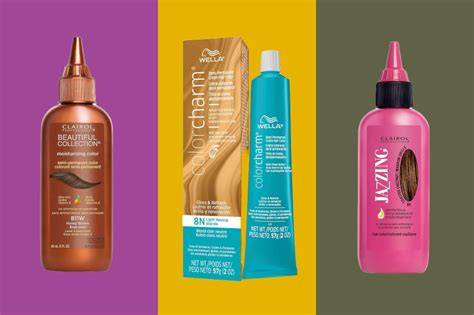
As you experiment with shades, you may notice customer testimonials highlighting the ease of use, quick results, and the perceived depth added to blondes. Reviews often emphasize that rinses can improve color longevity and reduce brassiness without the commitment of permanent dye.
How To Do A Color Rinse On Natural Hair
In sum, a color rinse for blonde hair is a versatile, temporary solution to refresh color, counter brassiness, and keep locks looking vibrant between full color treatments. With proper application and maintenance, it can be a reliable addition to your hair care routine.