Keratin is a type of structural protein found in your hair, skin, and nails. It’s especially important for maintaining the structure of your skin, supporting wound healing, and keeping your hair and nails healthy and strong. Keratin supplements are often said to help prevent hair loss, increase nail growth, and improve skin texture. Yet, plenty of healthy foods may naturally support your body’s synthesis of keratin. This article examines whether carrots contribute directly to keratin content and how diet can support keratin production overall.
What keratin is and how it is produced
Keratin is a strong, fibrous protein that forms part of the structure of hair, nails, and the outer layer of the skin. Different forms of keratin also occur in tissues and cells within the body. The body produces keratin inside specialised cells called keratinocytes. It uses amino acids obtained from dietary protein, along with nutrients involved in normal cell and protein metabolism.
Keratin-rich foods do not usually provide the body with ready-made keratin. Instead, they supply protein, amino acids, biotin, vitamin A, zinc, and other nutrients that the body needs to produce keratin naturally. In other words, these foods support keratin production rather than delivering keratin directly to hair or nails.
Do carrots provide keratin directly?
No. Carrots do not contain usable keratin. They contain beta-carotene, which the body can convert into vitamin A. This makes carrots a food that can support the nutritional processes related to normal skin and cell health, rather than a direct source of keratin.
How carrots fit into a keratin-supportive diet
Although carrots themselves do not supply keratin, they contribute to keratin production through their nutrients, particularly provitamin A (beta-carotene) and vitamin C. Beta-carotene is converted to vitamin A in the body, and vitamin A promotes keratin synthesis and is essential for skin and hair health. Vitamin C supports collagen production, which helps maintain the strength and elasticity of skin and hair follicles, contributing to a healthy environment for keratin function.
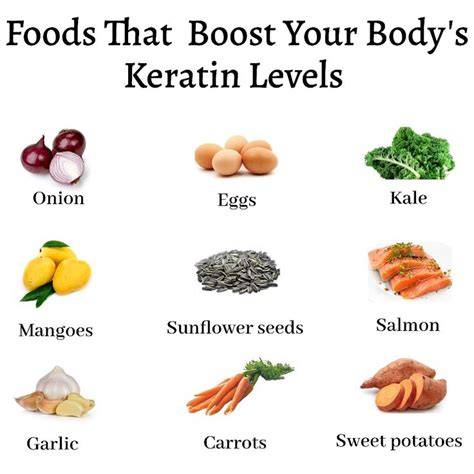
In addition to carrots, other foods provide nutrients that help keratin production. For example, eggs offer complete protein and biotin; onions and garlic provide N-acetylcysteine, a precursor to cysteine used in keratin; salmon supplies protein and biotin as well as omega-3 fatty acids; sweet potatoes deliver provitamin A; kale provides provitamin A and vitamin C; beef liver is rich in biotin and other vitamins; seeds such as sunflower seeds offer biotin and vitamin E; and leafy greens contribute to overall hair and skin health.
Key foods that promote keratin production (highlights)
- Eggs: high-quality protein and biotin; a cooked egg provides about 10 mcg biotin (33% DV) and 6 g of protein.
- Onions: high in N-acetylcysteine, a precursor to L-cysteine used in keratin; also provide folate.
- Salmon: rich in protein and biotin; omega-3 fatty acids support hair growth and density.
- Sweet potatoes: rich in provitamin A carotenoids (beta-carotene) converted to vitamin A; supports keratin synthesis.
- Leafy greens (e.g., kale): provide provitamin A and vitamin C, aiding keratin-related processes.
- Beef liver: among the highest sources of biotin and vitamin A; supports keratin production.
- Sunflower seeds: provide biotin, protein, vitamin E, and minerals that support keratin production.
- Mangoes: contain provitamin A and vitamin C, plus folate, aiding skin and hair health.
- Garlic: similar to onions, contains N-acetylcysteine; potential supportive role for skin health.
- Carrots: contribute beta-carotene and vitamin A; support skin and nail health indirectly.
Practical guidance: building a keratin-friendly diet
To naturally support keratin production, focus on a balanced diet rich in protein and nutrients that participate in keratin synthesis. Include a variety of protein sources (eggs, fish, dairy, lean meats, legumes), along with fruits and vegetables that provide biotin, zinc, vitamin A, vitamin C, and omega-3 fatty acids. While carrots themselves do not deliver keratin, their beta-carotene and vitamin C contribute to skin and hair health by promoting skin renewal and collagen support. Consider combining keratin-supporting foods with good hair-care practices for best results.
Beyond food: how to maximize keratin health
Keratin in hair care can be influenced by external treatments. Keratin-rich foods work through the body's metabolism and digestion to supply the necessary nutrients for keratin production, while keratin treatments externally coat the hair shaft for temporary smoothing. Be mindful of hair treatments that use formaldehyde-releasing ingredients, and consult professionals about safety and suitability.
Summary of keratin-supporting strategies
- Eat adequate protein from varied sources to provide amino acids for keratin synthesis.
- Incorporate biotin-rich foods (eggs, nuts, seeds, some animal products) to support keratin production.
- Include vitamin A sources (beta-carotene from carrots and sweet potatoes) to promote keratin synthesis.
- Consume zinc and vitamin C to support collagen and skin health, reinforcing keratin function.
- Limit extreme use of heat styling and avoid harsh chemical processes that damage keratin in hair.
- Differentiate between dietary keratin support and cosmetic keratin treatments; they operate via different mechanisms.
In short, carrots do not contain usable keratin, but they contribute to keratin production indirectly by supplying beta-carotene and vitamin C that support skin and hair health. A varied diet rich in protein, biotin, vitamin A, and minerals remains the most effective approach to maintaining healthy keratin levels in the body.