Cutis verticis gyrata (CVG) is a rare condition characterized by excessive thickening and folding of the scalp skin, producing deep ridges and furrows often compared to the surface of the brain. This article synthesizes clinically relevant information from expert experience and patient-focused discussions to outline what CVG is, its types, treatment options, and what to expect from scalp reduction surgery and complementary procedures. If CVG is affecting confidence or daily life, a calm, informed approach helps you choose the right path without panic.
What is CVG and who does it affect?
CVG is a rare scalp condition that causes deep folds and ridges; often described as resembling the surface of the brain. The exact cause is not fully known, but it is believed to be linked to genetics, hormonal changes, or certain medical conditions. This condition usually appears during late adolescence or early adulthood, typically between ages 20 and 30, though it can develop later in life when associated with other issues. CVG can be primary (often genetic and occurring without other health issues) or secondary (linked to conditions like acromegaly, inflammatory skin diseases, or scalp trauma).
How CVG is evaluated
Evaluation involves assessing the type (primary vs. secondary), severity, and any underlying conditions. At established centers, specialists determine the most appropriate treatment plan based on these factors. Preparation for any intervention includes detailed photos and a careful assessment to tailor the approach to an individual’s folds, hair loss pattern, and overall health.
Can CVG be treated without surgery?
Some patients have explored non-surgical options, such as hyaluronidase injections, which may temporarily improve appearance; however, results are not permanent and long-term effectiveness varies. At centers with extensive CVG experience, nonsurgical treatments are generally not viewed as the best solution for most patients, given the durable and more predictable improvements seen with surgical reduction. Hyaluronidase injections are not a universal cure and require ongoing research to confirm lasting benefits across diverse cases.
Scalp reduction surgery for CVG
Scalp reduction is a surgical procedure that removes excess scalp skin and stitches the remaining skin together to create a smoother appearance. The procedure is chosen for suitable CVG patients when the goal is a lasting reduction in folds and an overall more natural scalp surface. Preparation includes a thorough assessment, explained incision patterns, and patient education about what to expect. In the operating room, patients are sedated and positioned for the procedure, with care taken to ensure comfort and safety throughout.
What results can you expect after CVG surgery?
Results develop in two phases. Immediate improvement (0-2 weeks) typically shows a 60-70% improvement in scalp smoothness once initial swelling subsides. Full results (month 3-6) become visible as the scalp skin relaxes and settles, with many patients satisfied around the six-month mark. Individual outcomes vary based on CVG severity, the number of sessions, and whether hair restoration is incorporated to address scarring. A realistic consultation should discuss these possibilities for your case.
Will CVG surgery leave scars?
Yes, scalp reduction leaves linear scars at incision sites. Most patients accept the trade-off for the folds’ reduction, but options exist to minimize scar visibility if desired. Hair restoration can help conceal scars, and several techniques may be used.
- Hair transplantation (FUE or FUT) to cover scarred areas and blend with the surrounding hair.
- Scalp Micropigmentation (SMP) to reduce scar visibility with cosmetic pigment matching the scalp color and texture.
- PRP therapy as a supportive treatment to improve scalp healing and hair growth around scars when used alongside transplantation or SMP.
Dr. Cooley’s experience at the Cooley Hair Center emphasizes combining scalp reduction with tailored hair restoration options to address both scalp texture and scarring. The approach can involve FUE, FUT, SMP, or PRP to optimize outcomes and deliver a natural look.
Practical considerations for CVG surgery
Recovery timelines vary, but most patients can return to non-physical activities within a few days. A follow-up visit is typically scheduled the day after surgery for a gentle shampoo and wound check. Stitches or staples are removed within 2-3 weeks, and activity restrictions are guided by the surgeon’s specific aftercare plan. For patients traveling from outside the immediate area, many centers offer virtual consultations to start the evaluation process before travel.
Who is a good candidate for CVG scalp reduction?
A good candidate is someone with stable CVG folds where surgical smoothing would meaningfully improve scalp appearance and confidence, and who understands the trade-offs including scarring. The decision is individualized, balancing the degree of improvement desired against recovery time, potential complications, and the presence of any underlying conditions that may influence healing.
Expert guidance and patient experience
CVG manifests differently across individuals, and the emotional impact of changes in appearance can be substantial. Clarity from specialists who have treated CVG across diverse populations helps patients navigate expectations and choices. Patient communities and professional podcasts discussing CVG can provide support, but clinical consultation remains essential for risk assessment and personalized planning.
Related considerations and future directions
Current discussions around CVG emphasize that while surgical reduction offers the most reliable and lasting improvement for many patients, ongoing research continues into non-surgical approaches and adjunctive therapies. Hyaluronidase and other injectables may offer temporary benefits, but durable solutions often rely on surgical correction when appropriate. The field continues to explore integrating scalp restoration techniques to achieve harmonious, natural results.
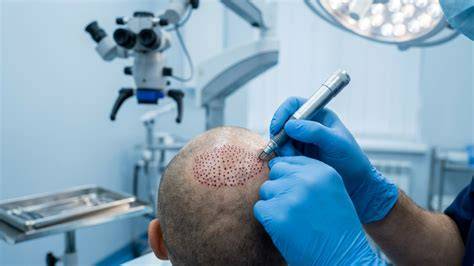
What is Cutis Verticis Gyrata (CVG) | Rare Scalp Condition
- Evaluation and planning tailored to CVG type and severity.
- Discussion of incision patterns and expected scarring.
- Two-phase results: immediate improvement and long-term relaxation of skin.
- Consideration of hair restoration or cosmetic camouflage for scars.
- Postoperative recovery and follow-up care.
Whether you pursue scalp reduction, hair restoration, SMP, or PRP, the goal is to achieve a smoother scalp that looks natural and feels comfortable, with clear expectations established during a thorough consultation.