Seborrheic dermatitis is a common skin condition that mainly affects the scalp but can involve other oily areas of the body. It causes scaly patches, inflamed skin, and stubborn dandruff, often presenting as red patches on the scalp.
Symptoms and presentations
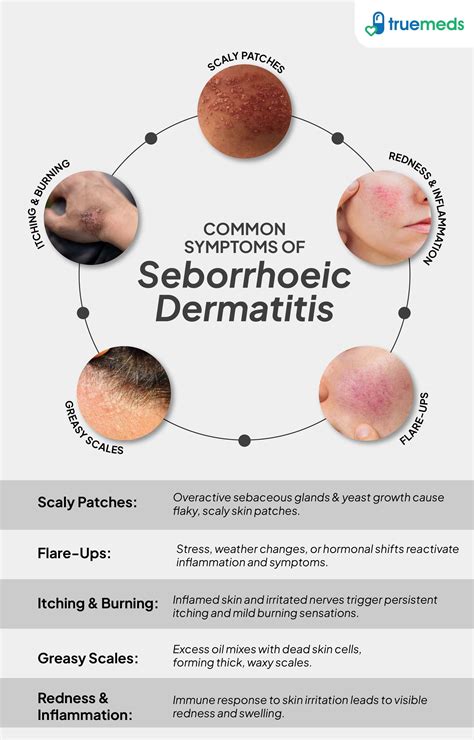
Symptoms may include: dry or greasy scalp scaling (dandruff), white to yellow flaking, itchy skin, thick, scaly patches of skin (plaques). Hair shedding from scratching in affected areas can occur, though this is not permanent hair loss. In babies, cradle cap may appear as a thick, yellow crusted scalp rash and/or a diaper rash. Red patches on the scalp are more common than many realize and can be hidden under hair.
Where seborrheic dermatitis appears on the body
The condition tends to show up in areas with more oil glands. It can affect the belly button, ears (behind them), eyebrows, face and forehead, head and scalp, nose creases, upper back and chest, skin folds in the arms, legs and groin, and skin under the breasts. It can spread beyond the scalp in more severe cases.
Causes and triggers
The exact cause isn’t fully understood, but research points to an overgrowth of a yeast called Malassezia on oily skin. This yeast metabolizes oil to a fatty acid that irritates the skin and triggers inflammation, itching, and flakes. Over time, this weakens the skin barrier, allowing more yeast growth and moisture loss. Triggers can include harsh chemicals, infections, sun exposure, cold dry weather, stress, and alcohol-based skincare products.
Is it contagious?
No. Seborrheic dermatitis is not contagious and does not spread from person to person.
Risk factors
Risk factors include a family history of dermatitis, other skin disorders (rosacea, psoriasis, acne), HIV/AIDS or compromised immune system, naturally oily skin, neurological conditions like Parkinson’s disease, being male, infancy, adolescence, or adulthood after age 30. It’s also more common in winter.
Complications and impact
Scratching can break the skin, leading to bleeding or infections. Living with a long-term skin condition can affect self-esteem, particularly when visible patches appear on exposed areas.
Differential diagnoses: how to tell dandruff from other conditions
Not all flakes indicate dandruff. Scalp psoriasis can cause thick, silver scales and red patches beyond the hairline. Ringworm (tinea capitis) causes hair loss and scaly patches. Contact dermatitis results from reactions to shampoos or hair products. Lichen planopilaris can lead to permanent hair loss. It’s important to differentiate these conditions, as treatments differ.
Treatment options
Regular washing with medicated shampoos is often the first line of defense. Common ingredients include zinc pyrithione, selenium sulfide, and piroctone olamine (a newer anti-dandruff agent). Tar-based shampoos have been used for years. If dandruff is severe or persistent, topical corticosteroid lotions may provide relief.
Shampoos are usually used with daily to weekly frequency depending on severity. Over time, most people learn how often to use shampoo to keep symptoms under control. Most antidandruff shampoos are rinse-on rinse-off, and it typically takes 5 to 10 washes to see improvement. A conditioner can help prevent drying from frequent washing, and some matching antidandruff conditioners boost effectiveness.
When to see a dermatologist
If shedding persists for weeks or worsens, or if there are signs of infection, spreading redness, or thick plaques, a dermatologist should evaluate you. A professional may perform a scalp exam or biopsy to establish the exact cause and tailor treatment. Treatments can include prescription shampoos, topical steroids, UV phototherapy for psoriasis, or biologic or systemic therapies for more widespread or resistant disease. Keeping a symptom diary can help track response to therapy.
Managing red patches and itching beyond dandruff
Home remedies may provide relief for mild itching, but they are not a cure. Aloe vera and neem have antifungal and antibacterial properties and can soothe the scalp. Soothing essential oils like argan oil can also help some individuals. Avoid scratching to prevent skin breaks and infection. Minimize exposure to harsh hair products, heat styling, and environmental triggers when possible. Maintain good scalp hygiene and use appropriate anti-dandruff shampoos as part of a regular routine.
Related conditions to be aware of
Psoriasis on the scalp is a distinct, chronic inflammatory condition that can resemble dandruff. It often benefits from a combination of medicated shampoos, corticosteroids, vitamin D analogs, and sometimes light therapy or systemic treatments. It is not contagious and has a genetic component.
Practical guidance in tables and notes
| Condition | Key features | Common treatments |
|---|---|---|
| Dandruff (pityriasis capitis) | Dry or oily flakes, mild itch | OTC shampoos with zinc pyrithione, selenium disulfide, tar; frequent washing |
| Seborrheic dermatitis | Redness, greasy scales, patches on scalp and other oily areas | Medicated shampoos, topical antifungals, short courses of corticosteroids |
| Scalp psoriasis | Thick silvery scales, red plaques, may extend beyond scalp | Topical steroids, calcipotriene, coal tar, UVB therapy; lifestyle factors |
Cradle Cap - Seborrheic Dermatitis
Key takeaways
Red patches on the scalp are common and can be due to dandruff, seborrheic dermatitis, psoriasis, or other conditions. While seborrheic dermatitis is not contagious, early diagnosis and appropriate treatment improve comfort and prevent complications. Regular use of suitable medicated shampoos often controls symptoms, but persistent or severe cases warrant dermatology consultation.