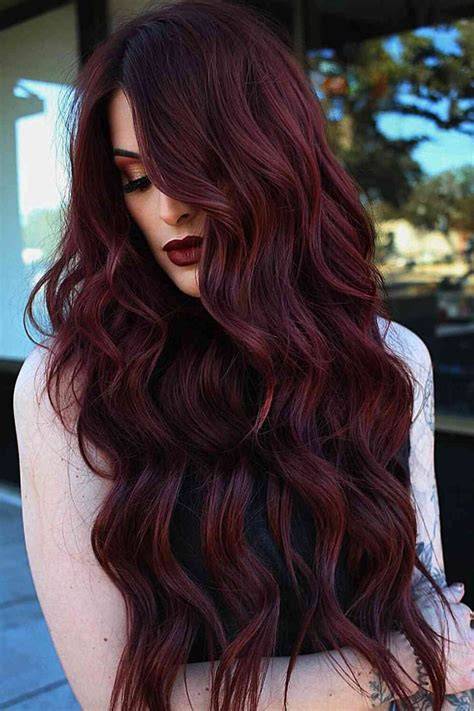
Red is a powerful hair color that instantly catches the eye, and dark red shades can be especially stunning on darker skin tones. Matching your skin tone with the right shade of red is crucial, and while there are many options, dark red hair is among the best for women with dark skin. If your hair hasn’t been treated recently, you can achieve a natural look with a regular permanent red dye, but the right shade and care are essential for a healthy, vibrant result.
The Right Red for Dark Skin: Shades and undertones
Red hair pops against darker skin tones in a way that exudes confidence. Blue-based reds like burgundy and ruby complement cool undertones beautifully, while orangey copper and auburn shades bring warmth to deeper complexions for a lively look. No matter the base, embracing a fiery red can be a bold beauty statement. Cool-toned complexions look best with red hues that have a subtle blue base, while warm skin tones shine with orangey reds and coppery auburns. When in doubt, a blue-based red is a safe, flattering choice as it helps cancel out brassy tones.
Color options and stylistic approaches
There are many shades of red hair, from the lightest strawberry blonde to the deepest burgundy. If you want a classic and timeless look, consider a rich auburn, which suits warm skin tones and brown or hazel eyes. For a bold statement, a vibrant red like true crimson works well on porcelain skin with blue or green eyes. Deep red hair, ranging from auburn to maroon, is flattering for most skin tones and can add spice to your look when paired with the right makeup and styling. Natural auburn red hair offers warmth and versatility, giving an earthy yet vibrant appearance that stands out without being over-the-top.
Balayage and highlights are excellent tools to add dimension. For example, deep red Balayage or warm caramel highlights can create movement and depth, while burgundy highlights blended into darker strands add a touch of sparkle. Bright copper highlights throughout the dye can create a striking contrast. If you prefer a more subtle approach, dark red lowlights on a lighter base add texture without overwhelming the overall color.
For those who want to minimize maintenance, a less intensive approach like the dark red trend with subtle balayage can work well. A fiery medium-deep red Balayage can melt true red tones with warm, eye-catching highlights, giving the hair a dynamic, sun-kissed look while preserving manageability.
Practical tips for darker skin tones
To prevent fading, consult a stylist for a color-safe shampoo and conditioner formula designed for dyeing hair. Red hair fades faster than other colors, so use red-hued gloss or semi-permanent rinses between salon visits and choose glosses labeled “red” or “burgundy.” Purple shampoo can help tone down unwanted warmth and keep red locks crisp. Limiting heat styling and using a heat protectant will lock in moisture and maintain vibrancy. Cooler showers can also help preserve color longevity.
Care routine for a long-lasting red
Moisture is key for red hair, which tends to be dryer and more prone to fading. Use sulfate-free shampoos and rich conditioners formulated for color-treated hair. Deep conditioning once a week helps renew softness and shine. Red hair deserves extra care to stay lush and bright, especially for darker skin tones where contrast is essential for a striking result.
Makeup and styling to enhance red hair on dark skin
The right makeup completes the look. Bronzy brown eyeshadows enhance green and brown eyes against red locks. Coordinating browns, coppers, and burgundies for shadow, liner, and lipstick can elevate the overall appearance. Avoid heavy black liner and mascara; opt for brown/espresso tones to define without overpowering. Creamy nude or taupe lip colors work for everyday wear, while berry or wine shades are stunning for evenings. Blush in berry, brick, or brown-red hues complements red hair across skin tones.
Historical and cultural notes on red hair
Red hair has a long history and diverse associations, from literature to fashion. The name “redhead” has existed since at least the 13th century, and red hair has been linked to a range of traits in classical lore. There are many shades of red hair, and redheads are frequently described as fiery and passionate, reflecting the color’s bold perception. Today, red hair on darker skin is increasingly recognized as beautiful and empowering, demonstrating that color can be a personal statement for everyone.
Color science and genetics of red hair
Red hair is most often caused by a mutation on the MC1R gene. This mutation is recessive and common among northern European populations, and while it can be a genetic trait carried through generations, it manifests visibly when both gene copies express. This genetic background explains why red hair exists in a wide spectrum-from strawberry blonde to deep burgundy-and why it can appear across different ethnic groups with varying undertones.
Practical notes and how to choose your shade
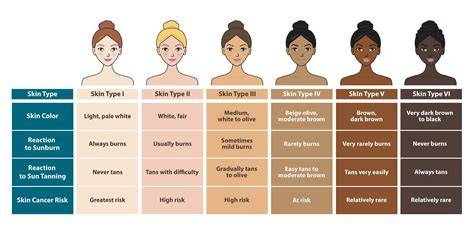
When choosing a red shade for darker skin, consider your undertone: blue-based reds for cool undertones, warm orangey reds for warm undertones, and coppery shades for olive undertones. A stylist can help you determine the best hue by testing against your skin’s undertones and eye color. For those seeking a statement look, a bold blue-red can be a foolproof choice. For a more natural look, go with auburn or deep red with subtle copper highlights.
Considering authenticity and ease, many find that starting with a semi-permanent glaze or gloss can help assess how the shade interacts with the skin before committing to a full dye job. If you’re unsure, consult a professional colorist who can tailor the shade to your complexion and lifestyle, ensuring that the color remains vibrant and flattering as it grows out.
Additional notes and reflections
Red hair is a dynamic, universally flattering choice when matched with the right shade and care. It can be a bold personal statement for darker skin tones, offering warmth, contrast, and confidence. Embrace your inner redhead with a shade that complements your unique undertones, and remember that proper maintenance will keep the color vivid and healthy-looking for longer.