Tinea versicolor is a common fungal infection that causes discolored skin, with white, yellow, red, pink or brown spots. It’s caused by an overgrowth of a type of yeast (fungus) that’s naturally found on your skin. Hot weather, humidity and sun exposure can make tinea versicolor worse, and while it’s not harmful or contagious, it can be mildly itchy. Tinea versicolor is most commonly found on the shoulders, back and upper chest. Healthcare providers treat the condition with topical or oral antifungal medications, and some treatments are available over-the-counter. With treatment, most people recover fully from tinea versicolor. Tinea versicolor is also known as pityriasis versicolor.
What does tinea versicolor look like?
Tinea versicolor can affect all skin colors differently. The overgrowth of fungus causes small, round patches of skin to get either lighter or darker than the surrounding skin. It’s more common for your skin to get lighter. The spots can appear white, pink, red, brown, light tan or yellow. On darker skin, tinea versicolor appears white or light tan. On lighter or paler skin, tinea versicolor looks light red or pink. Some patches or spots can become scaly and dry. Over time, the patches get larger and start to connect, covering larger areas of your skin. The patches might be more noticeable after sun exposure because the rest of your skin tans (or gets darker) but the infected area won’t. This makes them stand out a little more.
Who gets tinea versicolor?
Tinea versicolor affects many people worldwide. It’s unclear why yeast overgrows on some people’s skin and not others. People living in tropical or subtropical regions are most at risk for tinea versicolor. It’s common during the summer months in temperate climates and around puberty when your skin’s oil glands are more active. You may be at higher risk if you have a weak immune system, for example if you take medications like corticosteroids or have medical conditions like diabetes. Women who are pregnant are more susceptible to tinea versicolor because of hormonal changes.
Is tinea versicolor contagious?
Tinea versicolor isn’t contagious.
How common is tinea versicolor?
Tinea versicolor is common. It affects about 1% of people who live in mild or moderate climates. Fungal skin infections are common and can cause a lot of discomfort, from itching and redness to cracking and scaling.
Clotrimazole cream as a treatment option
One of the most trusted solutions for fungal skin infections is clotrimazole cream, a popular antifungal treatment that works effectively against various types of fungi. Clotrimazole cream is a topical antifungal medication belonging to the azole class. This cream works by disrupting the fungal cell membrane. Specifically, it inhibits the production of ergosterol, a key component of fungal cell walls. Without ergosterol, the cell membrane becomes weak, leading to leakage and eventual death of the fungus. Common brand names include Lotrimin, Canesten, and Candid, but generic versions are widely available and just as reliable. Clotrimazole cream is primarily used to treat superficial fungal infections of the skin. It's not suitable for nail or scalp infections, as those require different treatments. Proper application ensures the best results. If irritation persists, consult a doctor.
Clotrimazole cream and tinea versicolor
Topical clotrimazole may be used to treat tinea versicolor, a fungal infection of the skin that causes brown or light colored spots on the chest, back, arms, legs, or neck. Talk to your doctor about the risks of using this medication for your condition. Use clotrimazole exactly as directed. Do not use more or less of it or use it more often than directed on the package or as directed by your doctor. Topical clotrimazole may be prescribed for other uses; ask your doctor or pharmacist for more information.
How to apply
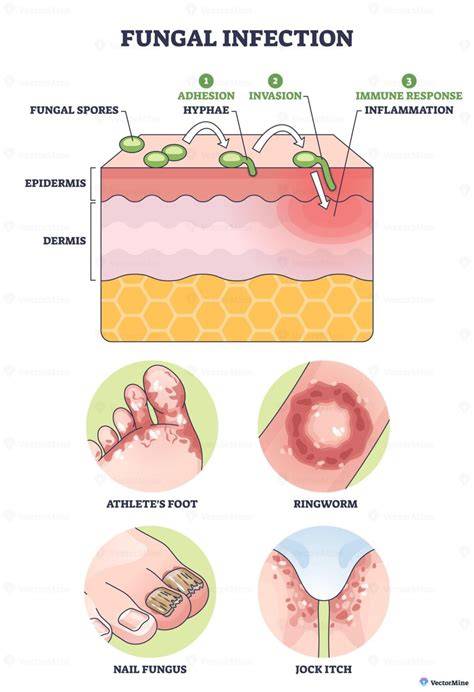
To use topical clotrimazole, wash the affected area and dry thoroughly. Then apply a small amount of cream or liquid to cover the affected area of skin with a thin layer. If treating tinea versicolor, ensure you cover all affected areas. For athletes feet or ringworm, follow specific guidance from your doctor. Pay attention to any spaces between toes when applying, and wear breathable footwear. Do not apply to severely cracked or irritated areas.
Clotrimazole may be prescribed for other uses; always follow your doctor’s instructions. If you have concerns about pigmentation changes after a fungal infection, coordinate with a dermatologist for assessment and tailored treatment options. In some cases, fungal infections can lead to pigmentation changes that may take time to improve after the infection clears.
Practical notes and cautions
Topical clotrimazole is for skin use only. Do not let it get into your eyes or swallow the medication. It does not work on the scalp or nails. The duration of treatment depends on the infection type and severity; typical guidelines suggest improvements within 2 weeks for jock itch and up to 4 weeks for athlete's foot or ringworm. If symptoms do not improve within these timeframes, contact your doctor. Always wash hands before and after applying the cream and store the medication as directed, away from heat and moisture.
When considering whether clotrimazole can reduce dark spots from tinea versicolor, it is important to distinguish between clearing active infection and resolving post-inflammatory or post-inflammatory hyperpigmentation after the infection has resolved. While clotrimazole can help clear the active fungal overgrowth, residual pigmentation may persist for weeks to months and may require additional approaches such as gentle skin care, sun protection, and, if advised by a clinician, targeted cosmetic treatments.
Banish Tinea Versicolor Forever Using These Steps
Additional notes
In India and other regions with broad availability, clotrimazole cream remains a widely used option for superficial fungal infections. For persistent or recurrent pigment changes after tinea versicolor, consult a dermatologist who can offer guidance on suitable treatments and whether any lightening agents or procedures are appropriate.