Hair loss can occur for many reasons including genetic factors, hormonal changes, stress and trauma, and nutrition and diet. Does hair grow back after falling out from the roots? When you’re trying to grow your hair back there are many factors that can affect the rate of hair growth, and how long it takes for it to grow back depends on the underlying cause. This autoimmune condition where the immune system attacks the hair follicles resulting in small bald patches on the scalp. Hair will normally start to regrow on its own two to three weeks after chemotherapy has ended. Some follicles stop producing hair as you get older and is referred to as hereditary hair loss or pattern hair loss. Excessive levels of stress can cause hair loss and eliminating this stress is the best way to ensure that your hair will grow back. When a large number of hair follicles enter the resting phase at the same time but the next growth stage doesn’t start, this is known as telogen effluvium. It’s often triggered by a medical event and causes hair to fall out and stops new hair growth. A dead hair follicle can’t grow hair as the lack of blood circulation worsens and quickens hair loss. However it is possible to revive dead hair follicles in certain cases if the follicles are at the initial stage of damage, and the growth phase can return.
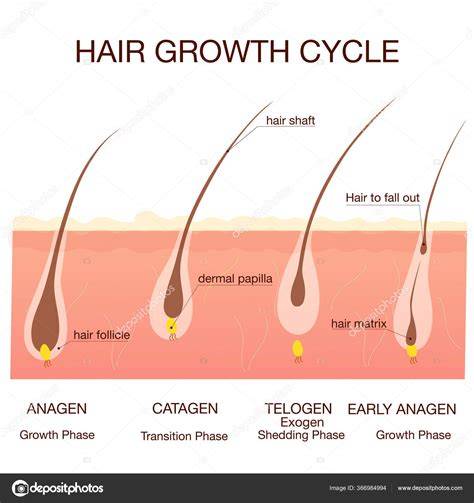
Cochrane & Co specialises in providing a hair replacement system that’s tailored to suit your individual needs. Experienced hairdressers will offer hairstyles for men with a receding hairline that give you a unique style. Hair systems are life-changing and can be slept, showered, and exercised in. You likely want a clear, evidence-based answer to whether hair that comes out from the root can regrow. Understanding whether hair can regrow begins with knowing how follicles function. The follicle contains the dermal papilla, matrix cells, and an outer root sheath that coordinate growth. Anagen is the active growth phase that lasts months to years depending on body site and genetics. Catagen is a short transitional phase lasting a few weeks during which the follicle shrinks and hair production pauses. Telogen is a resting phase lasting a few months, followed by exogen when the club hair sheds and a new anagen hair may begin.
Hair can detach at the root for many reasons, and the likelihood of regrowth depends on whether the follicle remains healthy. Non-scarring (non-cicatricial) causes interrupt or reset the hair cycle but leave the follicle capable of regeneration. Telogen effluvium is a common, reversible cause where stressors push more hairs into telogen, causing diffuse shedding about 2-3 months after the trigger. Anagen effluvium occurs when an acute insult - most classically chemotherapy - stops matrix cell mitosis and causes rapid hair loss during the growth phase. Alopecia areata is an autoimmune condition where immune cells attack the follicle, causing round patches of smooth baldness with hairs that can fall out suddenly. Traction alopecia results from chronic mechanical tension on follicles due to hairstyles that pull the hair tightly. Scarring alopecias such as lichen planopilaris, frontal fibrosing alopecia, and folliculitis decalvans destroy the follicular epithelium and replace it with scar tissue. Severe infections, hot burns, or intense inflammatory conditions can also destroy follicles at the dermal level.
You can often make an initial assessment from the appearance of the scalp and the shed hair. Hairs that come out easily with a soft, white club-shaped bulb usually represent telogen hairs and suggest the follicle is intact. If the scalp has shiny, smooth, or atrophic skin with loss of follicular openings, that suggests scarring and a lower chance of natural regrowth. When you present with hair falling from the roots, a clinician will take a systematic approach that includes history, physical exam, tests, and sometimes biopsy. Your clinician will ask about onset, duration, recent illnesses, medications, styling practices, family history, and systemic symptoms. The hair pull test involves gently pulling small handfuls of hair in different scalp areas; more than a few hairs per pull can indicate active shedding. Trichoscopy allows in-office visualization of follicular openings, hair shaft morphology, and perifollicular inflammation without biopsy. Blood tests may include thyroid function, ferritin, vitamin D, CBC, and hormone panels when indicated by your history. When diagnosis remains unclear, a scalp biopsy provides histological confirmation and distinguishes scarring from non-scarring processes.
Your chance of regrowth depends primarily on whether the follicle remains viable and whether the underlying trigger can be addressed. If the cause is telogen effluvium, anagen effluvium with recovery, early alopecia areata, or traction without scarring, you have a strong likelihood of regrowth over several months. Established cicatricial alopecias, full-thickness burns, or long-standing traction that has caused follicular destruction usually will not regrow spontaneously. You likely want concrete expectations for when new hair will appear. When follicles are intact, multiple therapies can encourage or accelerate regrowth. Treating or removing triggers - correcting iron deficiency, treating thyroid disease, stopping offending medications, or changing hairstyles - is the first step. Minoxidil is an FDA-approved topical agent that prolongs anagen and increases blood flow to the follicle. Finasteride inhibits the conversion of testosterone to dihydrotestosterone (DHT), which drives male pattern hair loss. For autoimmune forms such as alopecia areata, corticosteroids can suppress the immune attack on follicles and promote regrowth. PRP uses concentrated platelets from your own blood to deliver growth factors to the scalp and stimulate follicular activity. LLLT devices deliver light energy that can stimulate cellular activity in the follicle. Microneedling creates micro-injuries that promote growth factor release and increase topical absorption; combining it with minoxidil or PRP can enhance results. When follicles are lost or when medical therapies are insufficient, hair transplantation relocates healthy follicles from donor sites to balding areas.
You may be interested in newer regenerative strategies designed to reactivate dormant follicles. As noted, PRP delivers autologous growth factors that can promote cellular proliferation and vascular support. Stem cell growth factor therapy uses concentrated growth factors derived from cellular sources to reactivate dormant follicles and enhance the scalp environment. Regenerative therapies aim to improve the function of existing follicles and promote new growth from viable follicles, whereas transplantation introduces new follicles surgically. Many studies demonstrate promising outcomes for PRP and growth factor therapies, though responses vary by individual, diagnosis, and treatment protocol. If you are a man concerned about hair falling from the roots, androgenetic alopecia (male pattern baldness) accounts for the majority of progressive, patterned loss. Over 50% of men over age 50 experience male pattern hair loss, and most men will have some thinning in their lifetime. Finasteride and topical minoxidil remain the first-line medical therapies for many men, with surgical transplant and emerging regenerative treatments available for more advanced cases. If you are a woman, your pattern and causes of hair loss will often differ from men, and the emotional impact can be significant. experience female pattern thinning at some point, often accelerating during hormonal transitions like menopause or postpartum. Topical minoxidil is an approved and commonly used therapy for female pattern thinning, while systemic anti-androgens may be used cautiously when indicated. You should consult a clinician if your hair shedding is sudden, patchy, severe, or accompanied by scalp pain, redness, or scarring. Rapid, widespread shedding, signs of infection, scarring changes, or systemic symptoms like weight loss or fatigue should prompt timely assessment.
You can reduce the risk of further root-level hair loss by addressing modifiable factors and adopting hair-friendly practices. Ensure adequate protein, iron, vitamin D, and biotin when appropriate, and manage stress with sleep, exercise, and relaxation techniques. Avoid tight hairstyles, reduce heat and harsh chemical exposures, and use gentle handling when wet to minimize traction and breakage. While receiving professional care, you can support regrowth with consistent, gentle routines and approved topical treatments. Use sulfate-free shampoos, avoid harsh brush strokes, and apply topical agents according to instructions. If you do not see any improvement after the expected timeframe for your diagnosis, return to your clinician for reassessment or additional testing. You will encounter many myths about hair loss; distinguishing fact from fiction helps set realistic expectations. This is not universally true - many hairs that come out from the root are telogen hairs with intact follicles and can regrow. There are no scientifically proven overnight cures; most effective therapies produce gradual improvement over months. Most people experience regrowth after chemotherapy once the drug exposure ends, though timing varies with the regimen. For telogen effluvium, you usually see visible improvement within 3-6 months as follicles re-enter anagen. Established scarring that has replaced follicles with fibrous tissue is not reversible by medical therapy. Most regenerative growth factor therapies are minimally invasive and well tolerated when performed by trained providers. Scalp massage and certain oils may improve scalp health and comfort, and massage might modestly increase blood flow, but these measures alone rarely reverse significant follicular loss. Yes, certain medications (chemotherapy, retinoids, some anticoagulants, and more) can cause root-level shedding. Selecting a treatment requires balancing diagnosis, expected prognosis, risks, costs, and lifestyle preferences. If follicles are intact and you have non-scarring loss or patterned thinning, start with medical therapy (topical or systemic) and consider regenerative adjuncts. If you have insufficient response to medical therapy, donor follicles available, or localized areas of permanent loss, regenerative injections or transplantation are reasonable next steps. Hair that falls out from the root can regrow in many circumstances, especially when the follicle remains intact and the underlying cause is treated. You should seek timely evaluation for sudden, extensive, or patchy hair loss to maximize the chance of regrowth. Work with a qualified clinician to diagnose the cause, pursue evidence-based treatments, and consider regenerative therapies as part of a personalized plan to restore your hair and confidence. Schedule your consultation today and discover why men across the country trust Beyond Stem Cells for their hair restoration needs. With minimal discomfort and no downtime, you have nothing to lose except your hair loss concerns. The repeated pulling out of hair has been shown to damage the hair follicles. Because trichotillomania causes repetitive hair pulling, it can often lead to damaged follicles. If enough hair is pulled out, these damaged hair follicles can affect hair regrowth. Much of the time the hair grows more slowly, more sparsely, or in a different way. For example, regrown hair is often coarser and kinkier than normal. Hair follicles damaged from trichotillomania often grow back as gray or white hair, even when it wasn’t before. Unfortunately, trichotillomania is a disorder that often cycles on itself. Some people experience little to no permanent hair loss or baldness after quitting hair pulling entirely. Their hair grows back as normal and in all the normal spots of the head. On the other hand, some people, with similar pulling habits and length of time with the disorder, experience near-permanent hair loss upon quitting hair pulling. Their hair grows back much more slowly or not at all, akin to hair loss in old age. Permanent baldness is uncommon in those with trichotillomania. Hair grows out of a bulb-like root, connected to and fed by hair follicles. Follicles are located approximately 1/8 inch below the surface of the skin. The average rate of hair growth is 1/2 an inch per month. Your hair growth may be a little faster, or slower, than average. It all depends on genetics. However, most people's hair grows close enough to the 1/2 inch per month as to be indistinguishable in difference. This depends largely on the extent of the damage to the follicles. As for helping the healing process, there are the general principles of keeping the area clean and protected (avoid clogging the skin with hair product or cosmetics if possible).
Where are hair follicles located? Wherever you have hair on your body, you also have hair follicles. Hair follicles originate in the first and second layers of your skin (epidermis and dermis). Follicles holding your terminal hair, or the hair that grows on your scalp, eyelashes and eyebrows, extend into the first and second layer of your skin and sometimes into the third layer (subcutaneous tissue). What does a hair follicle look like? A hair follicle looks like a long tube that holds your hair. It’s in the shape of a cylinder with a rounded bottom in your skin. The top of the cylinder is an open hole, which is where your hair grows out. Your follicle is similar to a sock; your hair is your foot that goes into your sock. What does a hair follicle look like when it’s pulled out? You can’t pull out a hair follicle, as it’s the structure within your skin that holds your hair. If you pull out a strand of hair, you might notice a bulb or round ball (root) attached to the end of the hair strand. The root is surrounded by nerve fibers that let you feel when your hair moves or you touch your hair. Removing this root doesn’t mean your hair won’t grow back, because in most cases, it will. What color are hair follicles? While your hair color can change throughout your life, your hair follicle, which is part of your skin, is the same color as your natural skin tone. The color of your hair follicle doesn’t relate to the color of your hair. How big is a hair follicle? The size of each hair follicle in your body is different based on the size of the cells that make up the base of the structure. Hair follicles are microscopic and you can’t see them simply by looking at your skin. What is a hair follicle made of? Your hair follicle is made up of layers of cells within layers of your skin. If you pull out a strand of hair with and notice a small mass at the root, this is just a hair bulb. Hair follicles house the hair bulb and are a permanent part of your skin. While pulling your hair can temporarily damage a follicle, a new hair bulb will form. It’s natural for hair to fall out. But if you’ve ever pulled out a hair and found what you think is your follicle at the end, you may be wondering if it’ll ever grow back. At any given time, most of those hair follicles are hard at work growing new hairs to replace your old hairs that will eventually fall out. This is good to know if you worry about pulling a hair out at your follicle. Hair will usually grow back unless it comes from a follicle that has stopped producing hair. This could be from a condition associated with getting older or a response to a medical condition or treatment. If you pull out a hair by your root, you’re not actually pulling out your follicle. What you see at the bottom of your hair strand is your hair bulb. Your hair follicle is actually the housing for your hair bulb and hair itself. It’s a permanent part of your skin. A hair follicle is a tube-like structure in your epidermis, which is your skin’s outer layer. At the base of your follicle is your hair bulb, which is surrounded by nerve fibers. These nerves allow you to sense when your hair is moving or being touched. Each hair follicle is also attached to a sebaceous gland, which produces an oily substance called sebum. Sebum moisturizes and conditions your hair and nearby skin. After passing along your sebaceous gland, a hair strand emerges through the surface of your skin. Pulling out hair by your root may damage your follicle temporarily, but a new bulb will eventually form, and new hair will grow again through that follicle. But even if pulled hair doesn’t look like it’s going to grow back at first, it usually returns looking just as it did before. The timeline for hair to regrow isn’t always predictable. If pulling out a hair doesn’t damage your follicle, standard growth should occur.
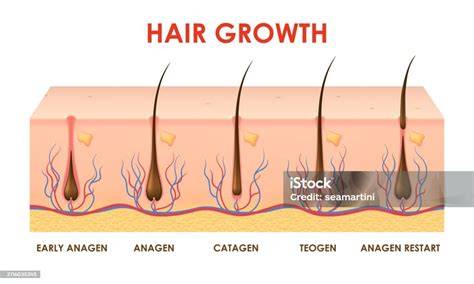
Scalp hair grows about 6 inches per year, according to the American Academy of Dermatology Association, and will continue to grow for up to 8 years or so. Eyelashes and eyebrows have a growth phase of about 1 to 6 months. Hair elsewhere on your body has a growth cycle of about 3 to 6 months.
Stages of hair growth The growth cycle for any hair type can be broken down into four stages: Anagen, Catagen, Telegen, Exogen. The anagen stage is the longest one. At this stage, your scalp hairs grow for years. Catagen it’s also called the transition phase. It starts when the anagen phase ends. Your hair stops growing and separates from your hair bulb in your follicle. Telegen At this stage, your hair stops growing without falling out. It’s called the resting phase, but new hairs form at the bottom of your follicles. Exogen The exogen may be part of the telegen phase. It’s called the shedding stage because old hairs fall out as new ones prepare to emerge.
Repeated damage to hair follicle may slow hair growth In cases of trichotillomania - a condition in which a person frequently pulls out hair from their scalp or elsewhere on their body and feels powerless to stop - the repeated damage to their hair follicle can slow hair growth. If a follicle has been damaged, it may take 2 to 4 years for new hair to grow back. Untreated trichotillomania may cause permanent damage If trichotillomania goes untreated for years, it can result in permanent damage to a hair follicle. The damage may be so extreme, that future hair growth may be difficult or even impossible from an injured follicle. As a result, an individual may be left with small patches of skin where hair should grow, or without eyelashes or eyebrows if those were hairs targeted for pulling.
Preventing trichotillomania Certain forms of therapy and psychological counseling may be most effective in treating trichotillomania and preventing further hair loss. Cognitive behavioral therapy (CBT) is an approach that helps a person replace unrealistic and harmful thoughts with realistic and positive thoughts that may help change behaviors. Sometimes having an ingrown hair can cause someone to try pulling it out. An ingrown hair is a hair that curls back in after it pokes through your skin, often leading to an infection. It is also one of several causes of folliculitis, an inflammation of one or more hair follicles. There are several treatments for ingrown hairs and folliculitis. But pulling out your hairs by hand or with tweezers can raise risks of complications and further infection. Ingrown hairs tend to occur in areas that are shaved, tweezed, waxed. Avoiding those practices may help keep ingrown hairs from forming.
If you’re tempted to pull your hair, try to distract yourself with something else that requires the use of your hands. You may also redirect your habit and halt the urge to pull your hair by: clenching your fists, tucking your earl, rubbing your legs or arms. If you pull out a hair by your root, for whatever reason, relax and know that in most cases, your hair will grow back. It may take a little longer, but you should see your hair return. If you have a condition, such as trichotillomania, and repeated hair pulling has damaged your follicle, you may have to wait longer.
How Treatments and Regeneration Work
Why Hair Follicles Become Dormant Hair follicles cycle through growth (anagen), rest (telogen), and shedding (catagen). Sometimes follicles get “stuck” in the resting phase. Common reasons include: Hormonal sensitivity (especially to DHT in male pattern baldness), Nutritional deficiencies or illness, Stress or scalp inflammation, Certain medications. Dormant hair follicles may shrink and produce finer, thinner hairs (miniaturization), but the follicle itself is still intact. Why Hair Follicles Die Follicles can permanently shut down and disappear when: Long-term miniaturization leads to atrophy and eventual loss, Scarring alopecia or injury destroys them and replaces them with scar-like tissue, Advanced untreated hair loss leaves no viable follicle structures in affected areas. When the hair follicle itself is gone, the scalp appears smooth-not because it’s healthy, but because the architecture needed to grow hair no longer exists.
How to Spot Dead vs. Dormant Hair Follicles Dormant hair follicles → thinning hair, patchiness, miniaturized strands-there’s still some activity under the surface. Dead hair follicles → smooth, shiny scalp. In many cases, this happens because the follicle has been replaced with fibrotic (scar-like) tissue. Once that structure is gone, regrowth isn’t possible. A trained hair restoration physician can examine the scalp under magnification to determine whether follicles are dormant or dead.
Myth-Busting: What Can’t Bring Back Dead Hair Follicles There’s plenty of misinformation online about reviving “dead” hair. Here’s the truth: Scalp oils & massage may improve blood flow, but won’t recreate follicles. Supplements are Helpful for overall hair health, not for rebuilding missing follicles. PRP or laser caps can sometimes wake up dormant follicles, but can’t revive what’s gone. Hair transplantation is the only proven way to restore areas where follicles are permanently lost.
Can Treatments Wake Up Dormant Hair Follicles? Yes-sometimes. Options like prescription medications (finasteride, minoxidil), platelet-rich plasma (PRP), and low-level laser therapy may help dormant follicles re-enter the growth cycle. But here’s the key: once follicles are dead, the only way to restore hair in that area is through transplantation.
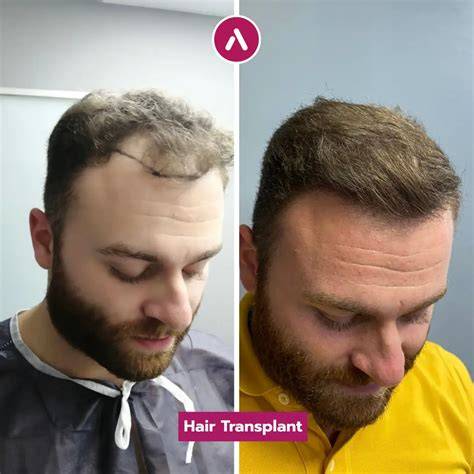
Why Hair Transplantation Works Hair transplant surgery takes living, healthy follicles from the donor area (typically the back and sides of your head, which are resistant to DHT) and relocates them into areas where follicles are dead.
Hair Cycle and Hair Growth Factors
Practical Guidance for Different Scenarios
If you are a man, androgenetic alopecia accounts for the majority of progressive, patterned loss. Over 50% of men over age 50 experience male pattern hair loss, and most men will have some thinning in their lifetime. Finasteride and topical minoxidil remain the first-line medical therapies for many men, with surgical transplant and emerging regenerative treatments available for more advanced cases.
If you are a woman, your pattern and causes of hair loss will often differ from men, and the emotional impact can be significant. Experience female pattern thinning at some point, often accelerating during hormonal transitions like menopause or postpartum. Topical minoxidil is an approved and commonly used therapy for female pattern thinning, while systemic anti-androgens may be used cautiously when indicated.
You should consult a clinician if your hair shedding is sudden, patchy, severe, or accompanied by scalp pain, redness, or scarring. Rapid, widespread shedding, signs of infection, scarring changes, or systemic symptoms like weight loss or fatigue should prompt timely assessment.
When follicles are intact, several therapies can encourage regrowth: treating or removing triggers, correcting iron deficiency, treating thyroid disease, stopping offending medications, or changing hairstyles. Minoxidil prolongs anagen and increases blood flow; finasteride inhibits DHT; corticosteroids suppress autoimmune attack in alopecia areata; PRP delivers growth factors; LLLT delivers light energy; microneedling promotes growth factor release and enhances absorption. If necessary, hair transplantation can relocate donor follicles to balding areas.
To support regrowth and reduce future loss, adopt hair-friendly practices: ensure adequate protein, iron, vitamin D, and biotin when appropriate; manage stress; avoid tight hairstyles, heat, and harsh chemicals; handle hair gently, especially when wet; use sulfate-free shampoos and follow directions for topical treatments. If there is no improvement in the expected timeframe, seek reassessment or additional testing.
In the broader context, you will encounter many myths about hair loss; distinguishing fact from fiction helps set realistic expectations. This is not universally true-many hairs that come out from the root are telogen hairs with intact follicles and can regrow. There are no scientifically proven overnight cures; most effective therapies produce gradual improvement over months. Most people experience regrowth after chemotherapy once the drug exposure ends, though timing varies with the regimen. For telogen effluvium, you usually see visible improvement within 3-6 months as follicles re-enter anagen. Established scarring that has replaced follicles with fibrous tissue is not reversible by medical therapy. Most regenerative growth factor therapies are minimally invasive and well tolerated when performed by trained providers. Scalp massage and certain oils may improve scalp health and comfort, and massage might modestly increase blood flow, but these measures alone rarely reverse significant follicular loss.
Yes, certain medications (chemotherapy, retinoids, some anticoagulants, and more) can cause root-level shedding. Selecting a treatment requires balancing diagnosis, expected prognosis, risks, costs, and lifestyle preferences. If follicles are intact and you have non-scarring loss or patterned thinning, start with medical therapy (topical or systemic) and consider regenerative adjuncts. If you have insufficient response to medical therapy, donor follicles available, or localized areas of permanent loss, regenerative injections or transplantation are reasonable next steps.
Hair that falls out from the root can regrow in many circumstances, especially when the follicle remains intact and the underlying cause is treated. You should seek timely evaluation for sudden, extensive, or patchy hair loss to maximize the chance of regrowth. Work with a qualified clinician to diagnose the cause, pursue evidence-based treatments, and consider regenerative therapies as part of a personalized plan to restore your hair and confidence. Schedule your consultation today and discover why men across the country trust Beyond Stem Cells for their hair restoration needs. With minimal discomfort and no downtime, you have nothing to lose except your hair loss concerns.
The timeline for regrowth varies by individual and condition. If you pull out a hair by its root, you’re not actually pulling out your follicle. The hair bulb may form anew, and regrowth is possible as long as the follicle remains viable. In the context of trichotillomania, persistent hair pulling can cause temporary or, in some cases, longer-term follicular damage, but many people recover hair once the behavior stops. The average growth rate is about 1/2 inch per month, influenced by genetics and follicle health. Everyone should be aware that follicles are a permanent part of the skin and that regrowth hinges on follicle viability and addressing the underlying cause.
Key Takeaways
- Hair can regrow if the follicle remains viable and the underlying cause is addressed.
- Non-scarring conditions like telogen effluvium or alopecia areata often allow regrowth; scarring alopecias and extensive follicular destruction may not.
- Treatment options include minoxidil, finasteride, corticosteroids, PRP, LLLT, microneedling, and transplantation, depending on diagnosis.
- Lifestyle and nutritional factors, stress management, and avoiding damaging hairstyles help support regrowth.