Have you ever wondered why some people have red hair? First of all, people with red hair have different pigmentation than people with other hair colours. The chemical pigment responsible for hair and skin colour is called melanin.
Cells called melanocytes use instructions from your DNA to create melanin. After the melanin is produced, it is transported to keratinocytes. Those are barrier cells at the top layer of the skin. This gives skin its colour. At the base of hair follicles, melanosomes bond with the keratin cells that produce hair.
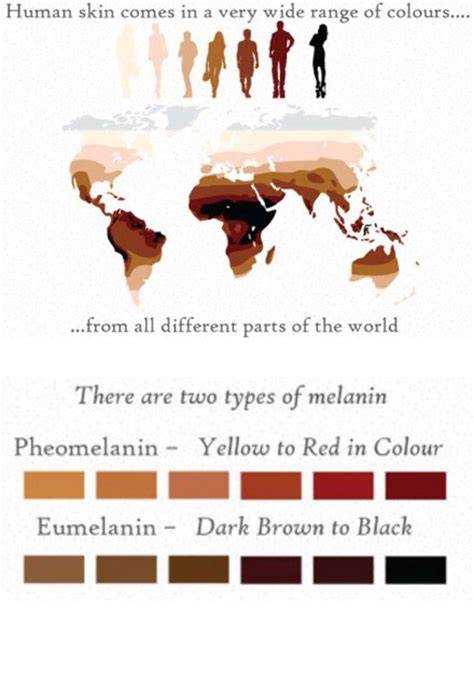
Melanin, Eumelanin, and Pheomelanin
There are two types of human melanin: eumelanin and pheomelanin. Eumelanin ranges from brown to black in colour. Redheads have much more pheomelanin than eumelanin in their bodies.
Why do redheads have so much pheomelanin? This abundance has a genetic origin. Melanocyte cells contain a protein called the melanocortin 1 receptor. This protein sits on the surface of melanocyte cells. The code for this protein is on the MC1R gene. When the protein is activated, it specifically produces pheomelanin. Redheads have a genetic variant of the MC1R gene that causes their melanocytes to primarily produce pheomelanin. The MC1R gene is a recessive gene. When a gene is recessive, a person must have two copies of the recessive gene in order for the trait to be expressed (or “seen”).
A recessive allele can be expressed in two ways. A person who has an allele for a trait but doesn’t express the trait is called a carrier. If one parent is a carrier and the other parent expresses the trait, there is a 50% chance that their child will express the trait. If both parents are carriers of the recessive allele, then there is a 25% chance that their child will express the trait.
Genetics and Sun Sensitivity
Melanin doesn’t just give your skin its colour. It’s also your first line of defense against harmful UV radiation produced by the Sun. Melanin cells absorb the UV radiation and spread it out. That way, it doesn’t damage healthy cells in your body. When exposed to the Sun’s rays, your melanocytes go into melanin-production mode. But if you are exposed to too much UV radiation, your melanocytes will begin to die. The scientific term for this process is apoptosis. This will activate proteins and enzymes in the skin called prostaglandins and cytokines. They’re linked to your body’s immune system. They cause your blood vessels to dilate (expand) near the surface of the skin. This is what’s responsible for the red colour and burning sensation associated with having a sunburn.
People with higher amounts of pheomelanin are more susceptible to sunburn. Not only that, but this damage can cause skin cancers. There are a number of different red hair gene mutations that can result in a range of shades of red hair. Some of these genes also cause pale skin. So now you know what causes red hair. You also know about some of the risks associated with having more pheomelanin than eumelanin. But remember, UV radiation can harm all of us.
Inheritance and Variation
Red hair gene mutations can lead to a range of shades, from copper to strawberry blond. The MC1R gene is central: when fully functional, it produces eumelanin (brown-black pigments). When mutated, it loses some function and instead produces pheomelanin (red-yellow pigments). The MC1R variants associated with red hair are often found in Northwestern European populations and are inherited in an autosomal recessive manner.
Two copies of the MC1R variant are typically required for red hair to be expressed. If one copy is inherited, a person may be a carrier but not redheaded. If both parents carry the recessive allele, there is a 25% chance their child will be redheaded. If both parents have red hair, their offspring almost always will be redheaded, though rare other genetic interactions can modulate this probability.
Geography, Populations, and Evolutionary Notes
Red hair appears most prominently in Ireland and Scotland, with Scotland and Ireland showing high frequencies of red hair among the population. The distribution is influenced by historical migrations and genetic mixing, with variations in MC1R and other interacting genes across populations. Shades of red are affected by complex gene interactions, including ASIP and other loci, making the genetics of red hair more intricate than a single-gene model.
Nowadays, variations in MC1R account for a substantial portion of red hair, but not all. A 2018 UK Biobank study highlighted that MC1R variants explain part of the heritability, while additional variants and gene-gene interactions contribute to the final phenotype. This supports a broader view: multiple genes and their interactions shape red hair color and associated traits such as skin type and tanning ability.
Health Implications and Risks
Eumelanin helps protect skin cells from UV damage, while red-haired individuals typically have lower eumelanin levels, increasing UV sensitivity. This combination raises the risk of sunburn and skin cancers under high UV exposure, though lifestyle choices-such as sunscreen use and sun-protective clothing-play a major role in modifying risk. In addition, red hair is associated with fair skin and light eye color, which can be part of a broader risk profile for melanoma, though environment and behavior are key modifiers.
Red hair color variants of MC1R can be inherited by offspring even if parents do not have red hair themselves. The risk of certain skin conditions, and in some cases differential pain perception linked to MC1R-related pathways, are part of ongoing research. Two studies have suggested that pain sensitivity may differ in redheads due to the same genetic variants that drive pigmentation, illustrating pleiotropy in MC1R-related biology.
Social and Cultural Aspects
Red hair has inspired cultural associations and stereotypes across history, including ideas about temperament and sexuality. It has also influenced art, literature, and media representations, with red hair repeatedly appearing as a distinctive character trait in stories and public figures. Geographic concentration of redheads in certain regions has shaped cultural narratives around hair color, beauty standards, and identity.
There are social and demographic phenomena tied to red hair, such as festivals and communities that celebrate ginger hair, as well as discussions about discrimination or humor surrounding the color. The discourse around red hair intersects with genetics, health, and identity, illustrating how biology and culture interact in everyday life.
Practical Takeaways for Education and Research
This topic supports teaching in health and biology, particularly cell biology, heredity, and protein synthesis. It can be used to illustrate how gene variants influence phenotype, including pigmentation and UV sensitivity. Educators can leverage vocabulary previews and context-rich discussions to help students engage with complex genetic concepts and the interplay between environment and genetics. The topic also opens avenues to discuss cancer risk factors and preventive behaviors related to UV exposure.
Key Questions for Further Exploration
- What are eumelanin and pheomelanin, and how do they determine hair color?
- What gene is primarily responsible for red hair, and how does MC1R function?
- How do recessive inheritance patterns influence the likelihood of red hair in children?
- What environmental factors modify the health risks associated with red hair?
- Are there social or ethical considerations when discussing genetic modification or prenatal genetics?
The Chemistry of Redheads
In summary, red hair arises from a combination of genetic variants, particularly in MC1R, that shift melanin production toward pheomelanin and reduce eumelanin. The resulting phenotype includes distinctive hair color, pale skin, and often sun sensitivity, with health implications influenced by both genetics and environment. The story of red hair encompasses biology, evolution, health, and culture-illustrating how a single color can weave together diverse strands of human biology and society.