Order disposable hair nets, food service hair nets, nylon mesh hair nets, and bouffant caps for food processing, restaurants, cleanrooms, laboratories, healthcare support areas, packaging lines, and clean manufacturing environments. Choose hair coverings by material, diameter, hair volume, color, comfort, and case quantity. Hair nets and disposable head covers support hygiene and contamination-control procedures but do not provide impact protection. Confirm product-specific material, sizing, latex content, food-contact suitability, and facility requirements before ordering.
Why disposable hair nets matter
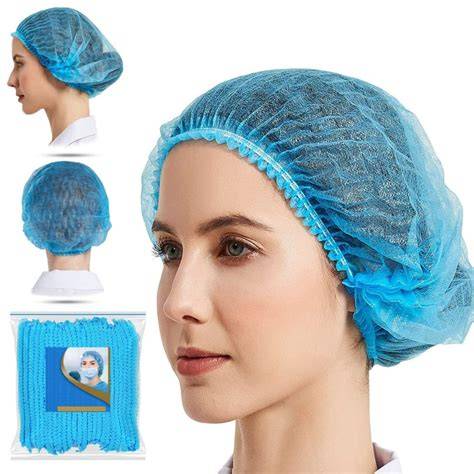
Disposable Bouffant Caps are lightweight spunbond polypropylene caps that expand around the hair for food processing, cleanroom, laboratory, visitor, and general hygiene programs. Nylon Mesh Hair Nets are breathable mesh hair nets that help contain hair while allowing greater airflow during long shifts.
For environments that require strict hygiene, choosing the right type of head covering is crucial. Material choices affect comfort, durability, and regulatory compliance, while considerations such as diameter, hair volume, and color aid in organization and visibility on the floor. Additionally, knowing whether a product is latex-free and food-contact suitable helps prevent allergic reactions and ensures safe handling in food-processing settings.
Common types of disposable hair coverings
- Disposable Bouffant Caps - Lightweight spunbond polypropylene caps that expand to cover the hair, suitable for food processing, cleanrooms, laboratories, and general hygiene programs. They offer quick, comfortable coverage for short or long shifts.
- Nylon Mesh Hair Nets - Breathable mesh designs that contain hair while promoting airflow, beneficial for users with longer shifts or higher activity. They balance containment with comfort.
- Food Service Hair Nets - Specifically selected for food environments, emphasizing food-contact suitability and regulatory compliance. Often designed to fit over various hair volumes and styles.
Key selection criteria
- Material - Options include spunbond polypropylene and nylon mesh, each with distinct comfort and containment properties. Polypropylene caps are sturdy and moisture-wicking, while nylon mesh prioritizes breathability.
- Diameter and fit - Choose sizes that accommodate different hair volumes and head circumferences to ensure complete coverage without slipping during work.
- Hair volume - Consider caps that comfortably accommodate low, medium, and high hair volumes to prevent gaps and ensure hygiene integrity.
- Color - Color coding can aid in department differentiation or role-specific hygiene practices, reducing cross-contamination risks.
- Comfort - Lightweight materials, stretchable fits, and breathable fabrics improve wearability for long shifts and hot environments.
- Case quantity - Plan for inventory needs and usage rates to minimize stockouts in peak periods and during routine restocking.
- latex content - If latex is a concern, verify latex-free options to prevent allergic reactions among staff.
- Food-contact suitability - Confirm that the product is compliant with relevant food-contact regulations for safe usage in food processing and service areas.
- Facility requirements - Check for compatibility with your facility’s hygiene protocols, cleaning schedules, and regulatory standards.
Usage contexts
Disposable hair coverings support hygiene and contamination-control procedures across multiple environments, including food processing facilities, restaurants, cleanrooms, laboratories, healthcare support areas, packaging lines, and clean manufacturing environments. They should be selected and used as part of a broader contamination-control plan and paired with appropriate PPE and housekeeping practices.
Practical guidance for ordering
Before placing an order, verify product-specific material details, sizing, latex content, and food-contact suitability. Ensure the chosen head coverings align with facility requirements, regulatory expectations, and the specific needs of the workforce. Consider integrating a systematic approach to inventory management by grouping products by material and fit to streamline restocking and audit processes.
Infographic illustrating material options, fit considerations, and typical use cases helps teams quickly decide on the appropriate head covering for each shift.
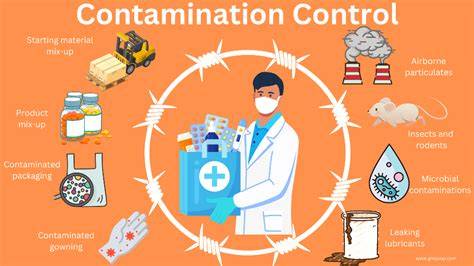
A simple map showing how disposable hair nets fit into broader hygiene workflows, from production lines to cleaning routines, can enhance understanding of contamination-control strategies.
Tips when buying Protective Caps, Hoods & Hairnets
An informative video can assist workers and managers in selecting the right head coverings and understanding their role in hygiene programs.
Table: quick reference for common head coverings
| Product | Material | Breathability | Containment | |
|---|---|---|---|---|
| Disposable Bouffant Caps | Spunbond Polypropylene | Moderate | High | Yes (verify) |
| Nylon Mesh Hair Nets | Nylon Mesh | High | Medium-High | Yes (verify) |
| Food Service Hair Nets | Varies (often polypropylene) | Moderate | Medium | Yes |
Best practices for hygiene and safety
Use disposable hair coverings as part of standardized hygiene procedures to minimize hair-related contamination risks. Confirm product suitability before ordering and integrate these coverings into routine practices, including wear during shifts, disposal after use, and regular inventory checks. Remember that hair nets and head covers are for hygiene and contamination-control purposes and do not provide impact protection.
tags: #disposable #hair #nets