Eyelashes, the short hairs that grow at the end of your eyelid, are meant to protect your eyes from dust and debris. The glands at the base of your lashes also help lubricate your eyes when you blink. Occasionally, an eyelash may fall into your eye and become stuck for a minute or two. When this happens, you may feel irritation or itching under your eyelid. You might have the urge to rub your eye, and your eye will probably start tearing up. If you have an eyelash in your eye, try to stay calm and follow the instructions in this article. Most of the time, an eyelash can simply and easily be removed without further complications.
Eyelashes in your eye can feel fluttery, gritty, or sharp and stinging. You may or may not feel the eyelash fall out, and it may or may not be a result of rubbing your eyes. You can identify that what’s in your eye is an eyelash by standing in front of a mirror, holding your eye open, and moving your eye from side to side. The eyelash may become visible, or it might not. Follow the steps below if you see or suspect an eyelash in your eye.
Immediate steps if you suspect an eyelash
Eyelashes in your eye are a fairly common condition, and can usually be taken care of at home. Avoid rubbing your eye and always wash your hands before touching your eye area. Above all, never try to remove an eyelash from your eye using a sharp object like tweezers. In some situations, you may need the help of an ophthalmologist or optometrist to remove the eyelash safely. Speak to your eye specialist if you find that eyelashes are falling into your eyes often.
If you can’t remove the eyelash, it can scratch your eyelid or eye. Bacteria from your hands can be introduced to your eye while it’s irritated. You may also injure your eyelid or cornea trying to remove the eyelash using your fingernails or a sharp object. All of these factors increase your risk of conjunctivitis (pink eye), keratitis, or eyelid cellulitis.
When an eyelash is hidden under the upper lid, you might not see it in a mirror. Eyelashes often get trapped under the upper eyelid, where you cannot see them in a mirror. This area has small folds that can hold onto the eyelash. The lower eyelid can also trap eyelashes, though this is less common. If an eyelash is tucked deeply into the fold of your eyelid, gravity and tears cannot easily wash it away.
How to detect and remove a visible eyelash
On a visible eyelash on the white of the eye (conjunctiva) or along the inner lower lid, a moistened cotton swab can help lift the eyelash without touching the cornea. Wet the swab with clean water or saline solution. Make sure your hands and the swab are very clean before you touch your eye. Only use this method if you can clearly see the eyelash on a safe surface.
Stand in a shower and let a gentle stream of water run over your closed eyelid and then your open eye. Blink several times while the water flows to help move the eyelash. If the eyelash is hidden under your upper lid, try gently pulling the upper lid out and down over your lower lashes. This motion can sometimes dislodge the eyelash and bring it to a spot where tears can wash it out.
Rinsing and basic home care
Preferred sterile saline or preservative-free artificial tears for rinsing are best when available. If no sterile rinse is available and you do not wear contact lenses, you can use cool or lukewarm tap water, never hot. You may also try using a gentle stream of clean, lukewarm or cool water. The goal is to flush the eyelash out and restore comfort without causing further irritation.
Sleeping with an eyelash in your eye is not ideal because it can move around and cause more scratching. However, it is not usually dangerous if the irritation is mild. If pain, light sensitivity, discharge, or blurred vision is present, do not wait until morning. Contact lens wearers should seek prompt evaluation, as they may require antibiotic drops to prevent infection.
When to seek professional help
If gentle flushing and blinking do not relieve symptoms within a few hours, or if symptoms persist overnight, seek professional evaluation. If you experience new symptoms like increasing pain, thickening discharge, or worsening redness, contact our office right away. Persistent discomfort may indicate that the eyelash is lodged in a spot you cannot reach safely, or a corneal abrasion is present.
Some common habits can make the problem worse or even hurt your eye. Rubbing your eye forcefully might push the eyelash deeper or scratch your cornea. If you wear contact lenses or have significant pain, light sensitivity, discharge, or blurred vision, you should be seen the same day rather than continuing home attempts.
What happens during professional removal
When you visit an eye care professional, they will first ask about your symptoms and how long the eyelash has been there. A bright light and magnification will be used to examine the surface of the eye and the inside of the eyelids. Numbing drops may be used to improve comfort, and a special dye can highlight any corneal scratches. The doctor has specialized instruments to safely remove foreign objects from the eye, often using a fine-tipped swab or a small irrigation device to gently flush out the eyelash.
After removal, lubricating eye drops are often recommended to soothe the eye and promote healing. If a corneal abrasion is present, topical antibiotics are commonly used. Contact lens wearers may require coverage targeting Pseudomonas. Do not use leftover prescription drops from previous problems, and never use topical anesthetic drops at home, as these can delay healing and cause further injury.
Most patients feel significantly better within 24 hours after removal, though some lingering irritation can persist. Follow-up may be needed in 24 to 48 hours, especially for contact lens wearers. Continue using any prescribed eye drops for the full recommended time, even if you start to feel better sooner. If symptoms do not improve after a couple of days, or if they worsen, contact the office to schedule another appointment.
No, an eyelash cannot get lost behind your eyeball. The conjunctiva forms a protective barrier, and even after removal, irritation can persist if the cornea or conjunctiva was scratched. If the eyelash is still felt after removal, this can be due to healed or healing scratches.
Related condition: blocked tear duct and treatments
A blocked tear duct is very treatable, with treatments varying by age and other factors. In babies, massage at home is often sufficient to open the blockage, though other treatments may be needed if massage isn’t effective by the first birthday. For adults, dilation, probing and irrigation is a common initial approach, sometimes followed by balloon dilation, stenting, or surgical procedures like Dacryocystorhinostomy (DCR) or Conjunctivodacryocystorhinostomy (CDCR).
Dilation widens the tear system structures, probing explores and clears the blockage, and irrigation ensures the duct is clear. Balloon dilation can widen narrowed sections from inside, while stents hold the duct open if needed. Surgical options are chosen based on location and type of blockage, with various advantages, disadvantages, and possible complications.
Hygiene, makeup, and extensions
False eyelashes and extensions are popular but require careful hygiene. Lash artists use ophthalmic-safe glue to attach lashes to a single natural lash, and lashes typically last 4-6 weeks with fill-ins every 2-3 weeks. Regular cleansing with oil-free cleansers is essential, as oil can degrade the glue and cause premature lash loss. Poor hygiene can lead to blepharitis, demodex (lash mites), meibomian gland dysfunction, dry eye, styes, and keratoconjunctivitis (pink eye).
Common signs of lid and lash issues include reddened, crusty lids and overgrowth of demodex. Regular cleansing and appropriate products recommended by your lash artist help prevent debris buildup. When an eyelash gets stuck, you may feel a sharp or scratchy sensation, tearing, or the urge to rub. Most trapped eyelashes are not emergencies, but seek help if symptoms persist or worsen.
Practical eye care tips
Monitor lash hygiene with regular cleansing, especially when makeup is applied. Check lash artist credentials and education to ensure proper technique and safety. If an eyelash is visible, gently lift it with a moistened cotton swab or rinse with sterile saline. If an eyelash is not easily removed, seek professional care to avoid scratches or infection.
Key signs that require urgent care include increasing pain, thickening discharge, or worsening redness. For light discomfort after removal, preservative-free artificial tears can be soothing. Do not delay evaluation if contact lens wear or corneal symptoms are present.
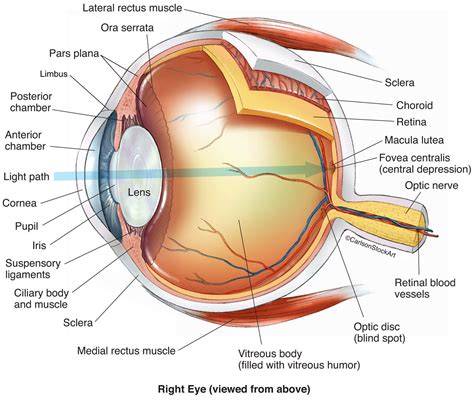
How to remove an eyelash stuck in the eye? - Dr. Sunita Rana Agarwal
Summary of home steps and professional care
- Rinse with sterile saline or clean lukewarm water if you can clearly see the lash and it is safe to do so.
- Avoid rubbing or using sharp objects; do not use home anesthetics.
- If symptoms persist beyond a few hours or worsen, seek professional evaluation promptly.
- After professional removal, use preservative-free artificial tears and follow any antibiotic or follow-up instructions.
| Scenario | Recommended action | When to seek care |
|---|---|---|
| Eyelash clearly visible, not painful | Gently flush or remove with clean technique; observe | If not improved within hours |
| Persistent pain, redness, discharge | Seek ophthalmologist/optometrist evaluation | Immediately |