Curious about platelet-rich plasma (PRP) for hair loss? This cutting-edge treatment uses your own blood to stimulate hair growth and boost thickness. Discover how PRP works, what to expect, and why it's gaining popularity for fuller, healthier hair.
What PRP is and how it works
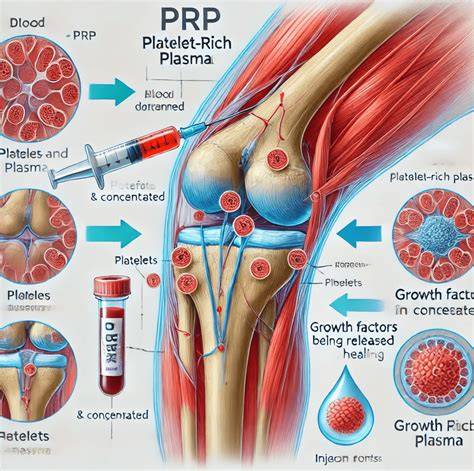
PRP therapy uses your body’s natural growth factors to stimulate hair follicles. Platelet-rich plasma is a concentration of platelets derived from the patient’s own blood, which contains high levels of growth factors and cytokines that promote tissue repair and regeneration. Platelets promote cell growth and regeneration, and the growth factors in PRP stimulate hair growth naturally to prevent hair loss. Epidermal growth factor (EGF) and vascular endothelial growth factor (VEGF) are key components that affect the hair growth cycle and neovascularization of hair follicles. The mechanism of action for how PRP promotes hair growth is not completely understood, but it is believed to involve the activation of stem cells in hair follicles.
During a typical PRP therapy session for hair loss, a small amount of blood is drawn from the patient’s arm and processed in a centrifuge to separate the plasma and platelets from the other components of blood. The resulting PRP is then injected directly into the scalp in areas of thinning or receding hair using a fine needle. By injecting the PRP directly into targeted areas of the scalp, growth factors are delivered to dormant or weakened hair follicles, encouraging them to re-enter the growth phase and produce thicker, healthier hair.
Who PRP helps and who might not benefit
PRP therapy is most effective for early-to-moderate thinning and may offer little benefit for extensive, permanent baldness. It is most beneficial for androgenetic alopecia (male and female pattern hair loss) and can also help with other thinning conditions. Not all PRP preparations are the same; there are variabilities in platelet counts, growth factor concentrations, and other factors depending on preparation methods. PRP injections are not suitable for individuals with scarring alopecia or follicles that are completely destroyed.
PRP therapy is generally safe because it uses your own blood, eliminating the risk of bloodborne pathogens. Mild risks include pain, redness, headaches, swelling, itching, and temporary hair shedding at the injection sites. There is also a small risk of infection. The effectiveness of PRP can vary based on factors like age, the extent and type of hair loss, hormonal influences, and how consistently treatments are performed.
Treatment protocol, results, and maintenance
A typical course involves a series of 3-4 treatments spaced about 4-6 weeks apart for best results, followed by maintenance sessions every 6-12 months. The procedure is relatively quick and minimally invasive, often taking about 30-60 minutes with little to no downtime. A single PRP treatment can cost between $400 and $2,000, and insurance typically does not cover it. The first signs of improvement usually appear within 3-6 months after the initial treatments, with fuller results developing as follicles become stronger and healthier. In many cases, patients notice reduced shedding and increased hair thickness over time, though results are not guaranteed and depend on ongoing maintenance.
Compared to surgical options, PRP is non-surgical and can be used alongside other treatments. It may be combined with microneedling or topical therapies like minoxidil to enhance outcomes. When evaluating whether PRP regrows hair permanently, the answer is nuanced: PRP can provide long-lasting regrowth with proper maintenance, but it is not a one-time permanent cure like some surgical options. Booster sessions are often needed to sustain results, especially if genetic or hormonal factors driving hair loss remain active.
What to expect during a PRP session
To begin, a blood draw is performed, typically 1-2 ounces, followed by centrifugation to separate PRP from other blood components. The clinician then injects PRP into multiple scalp sites to maximize coverage. Most patients tolerate the procedure well, as anesthetic or nerve blockers can numb the scalp and minimize discomfort. After treatment, you can usually return to daily activities immediately, though the scalp may be red for a few hours. A full course often involves three sessions spaced eight weeks apart, with new hair growth often noted within four to six weeks after completion of treatments, and more substantial improvements appearing over the next several months.
Post-treatment care includes avoiding harsh chemicals or heat styling for a couple of days and following any clinician-specific recommendations. The technique and training of the provider matter significantly for safety and outcomes. Maintenance treatments every 6-12 months help preserve gains, and combining PRP with other therapies can enhance and extend results.
Cost considerations and choosing a provider
Costs vary by location and provider, but a standard session typically ranges from $500 to $2,000, with most patients needing a series of treatments. Insurance usually does not cover PRP for hair loss, as it is considered cosmetic. Selecting the right provider is crucial: look for experienced clinicians who use high-quality PRP systems and follow meticulous injection techniques. A thorough consultation should assess your hair loss pattern, goals, and health to tailor a personalized plan.
PRP in context: comparisons and alternatives
Compared with other hair restoration methods, PRP offers a non-surgical, biologically active approach that can complement or substitute for some treatments. Topical minoxidil, oral finasteride, low-level laser therapy, and hair transplant surgery are all options with different risk profiles, costs, and durations of effect. PRP is sometimes used alongside hair transplants to improve healing and graft success or as a standalone option for those not ready for surgery.
Practical considerations and common questions
- Does PRP regrow hair permanently? PRP can provide long-lasting hair regrowth, but ongoing maintenance is recommended to sustain results, especially with a genetic predisposition to thinning.
- How long do results last? Results typically last 12-18 months with regular maintenance.
- What factors influence outcomes? Age, extent of hair loss, hormonal factors, overall health, and treatment consistency.
- Are maintenance treatments necessary? Yes, most patients require maintenance sessions every 6-12 months.
- Is PRP safe? PRP injections are generally safe when performed by a trained professional, with minor risks such as temporary discomfort or swelling.
Examples and evidence
Several studies have investigated PRP's efficacy for androgenetic alopecia, including randomized controlled trials showing improvements in hair density and thickness. Variability in PRP preparations exists, and research continues to refine optimal methods and protocols for obtaining and injecting PRP. Some prospective studies report high patient satisfaction and meaningful hair growth, while acknowledging that more standardized methods are needed to compare results across clinics.
PRP therapy has emerged as a promising and evolving option in hair restoration, with potential benefits for both men and women in early stages of thinning. When paired with a comprehensive approach to hair health, PRP can contribute to fuller, healthier hair and a more confident appearance.