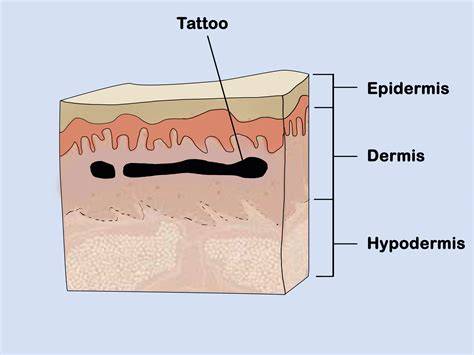
Tattoo removal creams are a topical product marketed to fade or remove tattoo ink from the skin. However, tattoo ink is placed in the dermis-the deeper layer of skin beneath the epidermis. These creams may irritate or peel the outer layer of skin, but they cannot reach the ink sitting in the dermis. They often contain a mix of chemical exfoliants, plant extracts, and preservatives, and many include ingredients that increase the chance of allergic reactions. At best, they change the appearance of the skin temporarily and do not remove eyebrow ink completely.
Laser removal is the most effective method for eyebrow tattoos. Laser removal uses a special laser to break up the ink particles in your skin, allowing your body to gradually eliminate them. Unlike creams or abrasive methods, laser treatments target the tattoo pigment beneath the skin without damaging surrounding tissue. Old tattoos are generally easier to remove than new ones, and the process typically requires multiple sessions spaced weeks apart.
Why creams don’t work for eyebrow tattoo removal
Tattoo removal creams claim to bleach or peel away the epidermis to fade the tattoo, but the ink sits in the dermis. Some products even claim to replace ink-filled macrophages, which is biologically inconsistent with how pigment resides in the skin. The chemicals used in these creams, including peeling agents like trichloroacetic acid, are regulated for professional medical use but are not approved for home use in tattoo removal. They can cause redness, rashes, burning, peeling, permanent scarring, and skin discoloration. Allergic reactions can be severe, including swelling, breathing difficulty, and anaphylaxis in rare cases. In short, these creams may irritate the superficial skin and offer no guaranteed removal of eyebrow ink.
Other methods: risks and realities
Dermabrasion involves sanding the skin with a medical grinding tool to remove the tattooed layer, but it can lead to significant scarring and uneven texture. Salabrasion uses salt to scrape away outer layers of skin at home, which is painful and can cause damage and infection. Surgical excision cuts out the tattooed skin and stitches the surrounding skin, a quick method but with the risk of a visible scar and unsuitability for larger areas. Trichloroacetic acid and other chemical peels must be conducted under professional supervision due to potential harm. Laser removal remains the most effective option for eyebrow tattoos, especially for darker or older ink, and it avoids damaging surrounding tissue when performed by a qualified professional.
What to expect with eyebrow laser removal
Before treatment, you should prep your skin by avoiding sun exposure, tanning, or smoking to improve healing. Some practitioners advise shaving the eyebrow area is not required and may be avoided. Eye protection is essential during treatment to shield the eyes from the laser. The procedure works by delivering pulses of laser energy that break the pigment into tiny particles, which the body then clears over time. Pain varies; many patients report a sensation similar to snapping a rubber band, sometimes with the aid of a numbing cream. After-treatment care includes gentle cleansing, avoiding makeup on the treated area, and allowing blisters or scabs to heal naturally. Healing after the first session can involve swelling and a pale or frosted appearance that resolves within days, with full brow healing typically taking several weeks to months depending on the ink and skin type.
Costs for laser eyebrow removal vary. A single session generally ranges from $200 to $500, and multiple sessions are common, with total costs potentially reaching higher totals depending on tattoo size, color, and skin response. Laser treatment is associated with potential side effects such as temporary swelling, redness, and pigment changes, but it is generally considered safe when performed by trained professionals and is often the preferred method for precision and safety in eyebrow tattoos.
Appendix: practical guidance and expectations
When considering eyebrow tattoo removal, consult a licensed doctor, surgeon, or dermatologist specializing in tattoo removal. They can review your medical history, assess the tattoo's age, color, and depth, and discuss the most appropriate approach. If you’re choosing among options, ask about the safest and most effective method for your skin and the size of the tattoo. You should also ask about the number of sessions, expected results, cost, downtime, and potential risks. Reputable tattoo removal services exist that provide safe, effective treatments, including programs offering free or reduced-cost removal for those in need. Avoid unregulated home treatments or products that promise complete removal, as they can cause lasting damage.
Before Removing Microblade Eyebrows With Lasers Watch This : A Doctor Explains
In summary, eyebrow removal creams do not reach the dermal ink and are not a reliable solution for eyebrow tattoos. Laser removal remains the most effective and controlled method for achieving clear, natural-looking results, with saline or other non-laser alternatives reserved for cosmetic tattoos in specific scenarios. If you’re exploring removal options, prioritize safety, professional supervision, and evidence-based methods to protect your skin and achieve the desired outcome.