People may lose their eyelashes for various reasons, including burns and chemotherapy. It may take some time, but the eyelashes usually grow back. Similar to the hair on the scalp, eyelashes also go through growth cycles, so shedding a few is usually no cause for concern. However, many injuries and illnesses can cause many or most of the eyelashes to fall out. In this article, learn about why eyelashes fall out, as well as how to help them grow back, using medicines and home remedies.
Why eyelashes fall out
There is a variety of home remedies that many people use to speed up eyelash growth. Popular home remedies for lash growth include olive oil, eyelash massage, and biotin products. But will the eyelashes grow back faster if a person uses home remedies to treat lost lashes? The answer is probably not. There is no scientific evidence that any home remedies will help eyelashes grow back. While biotin is thought to play a role in skin and hair health, there is limited research as to whether it promotes hair growth.
The following conditions can lead to eyelash loss: Burns. According to the American Academy of Ophthalmology, if the eyelashes get singed but the hair follicles are still intact, the lashes will usually grow back in 6 weeks. However, if the hair follicles were also damaged, the eyelashes might not grow back. Chemotherapy. Medication used to treat cancer can sometimes cause the eyelashes to fall out. Not all chemotherapy drugs cause hair loss. However, if a person uses a chemotherapy drug that is known to cause hair loss, it will affect the hair on the body as well as the scalp. Body hair, eyebrows, and eyelashes are commonly affected. Usually, eyelashes start to grow back shortly after stopping chemotherapy. Cutting. Most people do not cut their eyelashes. But for those that do, eyelashes typically grow back to their original length over time. Pulled out. Trichotillomania is a psychological condition characterized by the impulse to pull out the hair. This impulse can affect hair anywhere on the body, including the eyelashes. Lashes that have been pulled out may take a few months to grow back. Lash extensions. Lash extensions are fibers that are glued onto the natural eyelashes to create a thicker, longer eyelash. However, lash extensions can damage or rip the natural lashes. If natural eyelashes are lost due to lash extensions, they typically grow back in a few months. Thyroid conditions. The thyroid gland produces hormones. If the gland produces too much or too little thyroid hormone, it can cause a variety of symptoms, including hair loss. Eyelash loss can occur with both hyperthyroidism (overactive thyroid) and hypothyroidism (underactive thyroid). The lashes typically start to grow back after the thyroid imbalance has been treated. Alopecia areata. Alopecia areata is an autoimmune condition that causes the body’s immune system to attack the hair follicles. The condition leads to hair loss on the scalp, eyebrows, and eyelashes. There is currently no cure for alopecia, but treatments are available that can help reduce symptoms.
Can eyelashes grow back after specific causes?
In many instances, eyelashes lost from a burn or chemotherapy will regrow over time. After chemotherapy, the eyelashes may grow back sparser, thicker, or the same as before. If a thyroid condition or autoimmune disease caused eyelash loss, a person will likely need to treat the underlying health problem to stop the eyelashes from falling out. The amount of time it takes for eyelashes to grow back varies depending on the cause and the extent of the eyelash loss. Medication may also help eyelashes grow back. A doctor may prescribe bimatoprost in eye drop form. One study looked at the use of bimatoprost in 41 people that had eyelash loss due to alopecia areata. The study participants applied 0.03 percent bimatoprost to the upper lash line daily for a year. About 70 percent of participants had some eyelash regrowth.
Practical steps to support eyelash health
Washing eye makeup off at night is recommended, as dry lashes may break or fall out. While accidents happen and it is not always possible to prevent natural eyelash loss, there are some steps a person can take to reduce their risk. These include:
- Eating a healthful diet: Certain nutritional deficiencies may contribute to hair loss. It is possible that these deficiencies could also affect the eyelashes. Nutrients that may play a role in hair health may include vitamin C, B vitamins, zinc, iron, and protein.
- Avoiding eyelash curlers: People that use an eyelash curler may accidentally tug at their lashes, which can damage hair follicles.
- Washing makeup off at night: Leaving eye makeup on overnight, especially mascara, can dry out the lashes. Dry lashes are more likely to break or fall out prematurely.
- Being gentle with the eyes: Rubbing the eyes too roughly can contribute to eyelash loss. The hairs are delicate, so be gentle when rubbing the eyes.
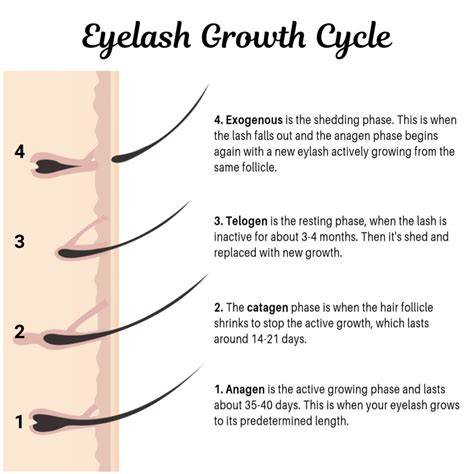
Just like the hair on the scalp, eyelashes have a natural growth cycle and frequently fall out. The loss of a few eyelashes is normal. However, extensive eyelash loss can occur for several reasons. In many cases, eyelashes will grow back without treatment. Eyelashes are more than just cosmetic fringe. Lashes protect the eye from debris that can obstruct vision or cause infection or injury. It’s normal to lose between one and five eyelashes each day. Irritation from cosmetics, blepharitis (itchiness or redness of the eyelids), skin cancer on the eyelid, alopecia, and thyroid disorders can all influence lash health. Regular gentle cleansing and medical evaluation for persistent loss are advised, especially if loss is sudden or widespread.
Treatment and medical options
Latisse is an FDA-approved prescription eyelash growth treatment. It has been clinically studied and has demonstrated consistent eyelash growth. Over-the-counter lash serums may cause sensitivity or adverse reactions in some people. Consult with your ophthalmologist to determine if these products are appropriate for you.
There is no universal remedy, and the effectiveness of various approaches can vary by individual. A doctor may discuss options such as identifying and treating underlying conditions (thyroid disorders, autoimmune diseases), and considering medicated options like bimatoprost for regrowth where appropriate.
How To Grow Your Eyelashes QUICKLY |How to use eyelash serum Lumigan /Latisse
To summarize, eyelashes can fall out for many reasons-burns, chemotherapy, mechanical pulling, lash extensions, thyroid issues, and autoimmune diseases among them. The time to regrow depends on the cause and severity, and while some people may benefit from medical therapies, others may notice natural regrowth over months. Proper eye hygiene, gentle handling, and addressing nutritional factors can support eyelash health and prevent unnecessary shedding.
tags: #eyelashes #falling #out #vitamin #deficiency