Hair plays a vital role in gender identity and self-expression. Hair growth begins with the Anagen Phase, also known as the growth phase. This period lasts between two to six years. Hairs in the active growth phase are called Anagen or sometimes terminal hairs. Approximately 85% of scalp hairs are in the Anagen phase at any one time.
In pattern alopecia, the anagen phase gets progressively shorter leading to a progressively finer hair. Follicles do not go away. Known as the transitional phase, the Catagen Phase is the shortest of all the phases. During this phase, which lasts for a few weeks, the hair follicles begin to involute as they transition to the resting or telogen phase. There is a decline in hair cell division and the root shrinks to a third of its Anagen size.
Known as the resting phase, the Telogen Phase lasts for about 3-4 months. About 15% of hairs on the scalp are in this phase. Hairs are shed from their resting follicles at this time. About 25-100 hair shafts in the Telogen phase are shed each day. In some cases, for example, after delivery of a baby, more hairs may enter the telogen phase. In some cases, 30% of the follicles are in the telogen phase leading to a significant shedding known as Telogen Effluvium.
The Hair Growth Cycle: Four Phases
Every follicle cyclically moves through several phases, with the longest (anagen, the growth phase) lasting up to six years. Next comes one to two weeks of catagen (the degradation or transition phase), when growing stops and the hair begins to detach from the follicle. Hairs on different parts of the body have different hair cycles in which the Anagen or active growth phase is shorter than on the scalp.
Diseases, nutritional deficiencies, crash dieting, hormonal fluctuations, and even stress can cause the hair follicles to reduce their activity and lessen hair growth during the Anagen/growing phase. The Telogen phase is integral to the cycle, allowing the hair follicle to rest and prepare for the next growth phase. It also provides an opportunity to shed damaged or old hair and create new hair growth. However, when the resting period is prolonged or disrupted, it can lead to excessive hair shedding or loss.
Telogen Effluvium is a common form of hair loss that occurs when a significant number of hair follicles prematurely enter the telogen phase of the hair growth cycle. In telogen effluvium, a large number of hairs prematurely enter the telogen phase, resulting in hair shedding. Typically, 85-90% of hair is in the anagen phase, and 10-15% is in the telogen phase at any given time. At any given time, about 85% to 90% of the hairs on the average person's head are actively growing (the anagen phase) and the others are resting (the telogen phase).
Anagen vs Telogen: Distinctions That Matter
The Anagen (growth) and Telogen (resting) phases are two distinct stages of the hair growth cycle. During the Anagen stage, hair actively grows, lasting two to four years on average for scalp hair, though it can vary by individual. In contrast, during the Telogen phase, hair rests and does not grow for about two to four months before shedding and making way for a new anagen hair. In a healthy scalp, the anagen-to-telogen ratio is roughly 90:10; disruptions can shift this balance toward telogen hairs and cause shedding or thinning.
Some health professionals include the shedding phase in the telogen phase, but many separate this stage into an exogen phase, wherein hair is shed from the scalp while new hairs begin to grow in the follicle. The exogen phase can last several months, with 50 to 100 hairs shed per day as new hairs rise to replace them. The four phases-anagen, catagen, telogen, and exogen-tally with changes in age, nutrition, and health, all of which influence how long each phase lasts and how well hair grows.
What Influences Phase Lengths and Hair Growth?
Factors that affect the length of the Anagen phase include genetics, age, hormones, lifestyle, and health status. Genetics largely determine the duration of the Anagen phase, while aging tends to shorten it. Hormonal fluctuations (such as those during pregnancy or menopause), stress, poor diet, environmental toxins, and conditions like alopecia or chemotherapy can shorten Anagen or disrupt the cycle. The Telogen phase lasts about three to four months but can extend to six months in some cases. Stress, hormonal changes, medications, or illnesses can cause more hairs to enter Telogen, leading to shedding.
Healthy hair growth depends on a balanced approach: good nutrition (protein-rich foods), essential vitamins and minerals (including vitamin D and iron), and omega-3 fatty acids. Reduced stress supports the cycle, while proper hair care-gentle washing, avoiding heat damage, and avoiding harsh chemicals-helps maintain hair health. In contrast, disruptions in the cycle, through illness, medications, or hormonal shifts, can push hairs prematurely into Telogen or impede Anagen, causing shedding or thinning.
Telogen Effluvium may arise after childbirth, major surgery, severe illness, crash dieting, or iron deficiency, among other triggers. In acute telogen effluvium, shedding typically begins 2-3 months after the trigger and lasts 3-6 months; most cases resolve with time and addressing the underlying cause. Chronic telogen effluvium lasts longer and may require ongoing evaluation and management. Diffuse shedding, rather than a clearly defined bald patch, is characteristic of telogen effluvium, and meticulous medical assessment helps distinguish it from pattern hair loss.
Clinical Perspectives and Management
Maintaining a healthy growth cycle involves recognizing the phases and understanding that hair loss can be a reversible response to stress, nutritional deficiencies, or medications. Treatments may include addressing iron deficiency or thyroid dysfunction, improving protein intake, or adjusting medications. In some cases, topical or oral minoxidil can be considered, though evidence varies by condition. For telogen effluvium, addressing the trigger and supporting the scalp with gentle care are often sufficient for recovery, with hair regrowth occurring over months as follicles re-enter the anagen phase.
In practice, evaluating hair loss entails clinical history, examination, and, if needed, tests such as hair pull tests, scalp biopsy, or blood work to exclude iron deficiency, thyroid issues, or other metabolic disturbances. Counseling and emotional support are important, as the condition can impact self-image and well-being. A holistic approach-balanced nutrition, stress management, and appropriate hair care-supports the hair growth cycle and improves overall scalp health.
Practical Guidance for Hair Care and Lifestyle
- Prioritize protein-rich foods and a balanced diet to support the growth phase.
- Minimize physical and emotional stress through exercise, sleep, and relaxation techniques.
- Choose mild shampoos and conditioners suited to your hair type; avoid harsh chemicals and excessive heat.
- Be gentle with wet hair and avoid tight hairstyles that stress follicles.
- Monitor medications with a healthcare professional if you notice unusual shedding after starting a new drug.
Illustrative Insights: Anagen, Catagen, Telogen, and Exogen
The following conceptual distinctions summarize how hairs transition through cycles. An Anagen hair is active, growing, and typically longer and more pigmented. A Telogen hair is resting, shorter, and less pigmented. A healthy scalp balances about 90% Anagen and 10% Telogen hairs, while disruption can increase Telogen numbers and shedding. An understanding of these phases helps explain why some individuals experience rapid hair shedding after a trigger and how hair may gradually recover as the cycle normalizes.
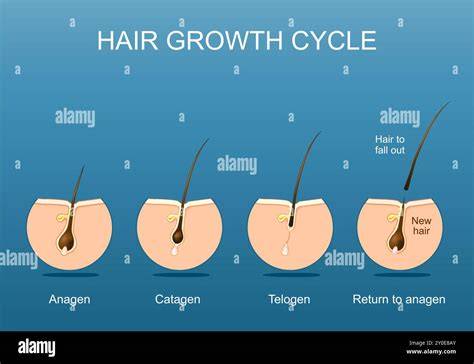
Hair Growth Cycle | Anagen, Catagen, Telogen, Exogen | Skin | Hair | Dermatology
In evaluating hair loss, professionals consider the possibility of Telogen Effluvium, pattern hair loss, and other conditions, recognizing that many factors-genetics, hormones, nutrition, stress, and medications-shape the cycle duration and health of the hair shaft. By maintaining a balanced lifestyle and seeking professional guidance when needed, individuals can support a healthy hair cycle and reduce the impact of disruptive factors on hair growth.