A widening part is often one of the first signs of thinning hair, which can lead to a decrease in volume and density over time. Understandably, this can be a source of worry and discomfort, prompting the search for effective solutions and advice. The widening of the hair part can be attributed to several factors, including genetic predisposition to hair thinning, hormonal changes, stress, nutritional deficiencies, and certain hairstyles that exert tension on the hair follicles. In some cases, it may also be a sign of conditions such as androgenetic alopecia or other forms of hair loss.
Root Causes and Patterns
Genetics are a common driver of part widening, particularly in female pattern hair loss where thinning often begins along the central part and may spread outward in a Christmas-tree pattern. Hormonal shifts, such as those during menopause, birth control changes, pregnancy-related shedding, and other endocrine conditions, can accelerate miniaturization and visible thinning. Stress, illness, rapid weight loss, and certain medications can also contribute to shedding or thinning. Not every widening part is genetic; telogen effluvium from a trigger can cause temporary shedding that resembles early thinning.
Key mechanisms to recognize
- Miniaturization: growing hairs become finer, shorter, and less pigmented over time.
- Telogen effluvium: a temporary shedding condition often linked to stress, illness, or hormonal changes.
- Donor and scalp health: inflammation, iron deficiency, thyroid changes, and autoimmune factors can influence patterns of thinning.
Step 1: Medical Evaluation and Tracking
The first step is a medical hair and scalp evaluation. A trained provider assesses the pattern of loss, hair shaft variation, scalp health, family history, medications, styling habits, and recent health changes. A close scalp examination helps distinguish miniaturization from active shedding, breakage, scarring, or inflammation. Take clear photos of your part in consistent lighting every few months to track changes objectively.
Diagnostic considerations
- Pattern of loss (central part, diffuse thinning, or localized patches).
- Hair shaft variation and density at the part.
- Donor area density and scalp health to evaluate transplant candidacy.
- Rule-outs: iron deficiency, thyroid disorders, inflammatory scalp conditions, and medication effects.
Treatment Overview: Medical, Cosmetic, and Surgical Options
Effective management depends on the underlying cause. Early intervention yields the best outcomes. A combination approach often works best: medical therapies to halt progression and promote regrowth, plus cosmetic strategies to restore appearance while treatments take effect.
Medical therapies
- Topical minoxidil: FDA-approved first-line treatment for pattern-related thinning. It extends the hair growth phase and thickens miniaturized follicles; some users experience initial shedding as old hairs shed to make way for regrowth.
- Oral minoxidil (low-dose): used when topical alone is insufficient, delivering systemic benefits to follicles.
- Anti-androgens (for women): spironolactone may be considered when clinically appropriate to reduce androgen effects.
- Finasteride: first-line for men with crown thinning; not used in pre-menopausal women due to teratogenic concerns.
- Low-level laser therapy: noninvasive light therapy to support follicle activity as part of a broader regimen.
- Regenerative injections: PRP or similar therapies using components from the patient’s blood to support scalp environment and follicle function.
Diet, stress, and lifestyle
- Nutritious, balanced diet with adequate protein, iron, vitamin D, zinc, and biotin supports hair growth.
- Stress management and proper sleep reduce the risk of shedding and thinning progression.
- Avoiding tight hairstyles and high-tension ponytails reduces traction on follicles.
- Overall health optimization can help certain reversible causes of thinning, though it won’t reverse genetic hair loss by itself.
Camouflage and styling strategies
- Hair fibers, concealers, and color-matched scalp powders can visually thicken the part during treatment.
- Strategic part changes, volumizing products at the root, and careful cutting can make the part appear narrower.
- Gentle styling and avoiding harsh shampoos protect fragile hair during therapy.
Surgical Option: Hair Transplantation
When thinning progresses or donor density is sufficient, follicular unit transplantation (FUT) or follicular unit extraction (FUE) can restore density. Grafts must be positioned at the right angle, direction, and density to blend naturally with surrounding hair. Not every patient with a widening part is a transplant candidate; active shedding, unstable loss patterns, or insufficient donor density may necessitate stabilizing the condition first.
Monitoring Progress and Timing
Consistency in monitoring is crucial. Take photos every 6-8 weeks in consistent lighting, compare, and discuss changes with a clinician. Early stages (often Savin stages 1-3 for female pattern hair loss) respond best to medical therapies, while later stages may require a combination of medical therapy and hair transplantation for optimal results. The sooner a widening part is addressed, the better the chance of halting progression and achieving meaningful regrowth.
Home and Clinic Guidance: What to Expect
Home strategies include scalp massages to promote circulation, gentle cleansing, avoiding excessive heat, and using products designed for thinning hair. Clinically, patients undergo a thorough diagnostic workup, define a personalized plan, and begin a staged treatment approach tailored to their pattern, stage, and goals. A widening part does not have to define self-perception; with timely evaluation and appropriate therapy, restoration of density and confidence is possible.
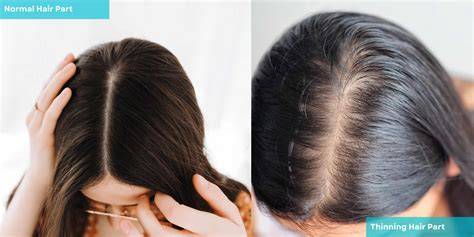
Photos taken over time provide objective evidence of progression or improvement, aiding treatment decisions and expectations.
Hair Loss in Your 20s (HX-QEDS) | Why Are You Going Bald Before 25? | DHT & Genetics | Part-1
Educational video explaining how hair thinning progresses and what to expect from treatments and timelines.
Practical Takeaways for a Widening Part
- Act early: consult a dermatologist or trichologist when you notice widening, increased shedding, or scalp visibility at the part.
- Establish a baseline: document with consistent part photos to track progression.
- Consider a staged treatment plan combining medical therapy, nutrition, and scalp care.
- Discuss surgical options if appropriate based on donor density and stability of hair loss.
- Utilize cosmetic strategies to maintain confidence while therapies take effect.