Lace front wigs are known by several names and are designed to create a natural-looking hairline that blends with your skin. The front of the base, aligning with the wearer’s front hairline, is made from lace material, which mimics a realistic, natural-looking hairline. The lace front wig used in examples often features a medical-grade base with a professional French lace front for added realism and comfort.
What Is a Lace Front Wig and How Does It Work?
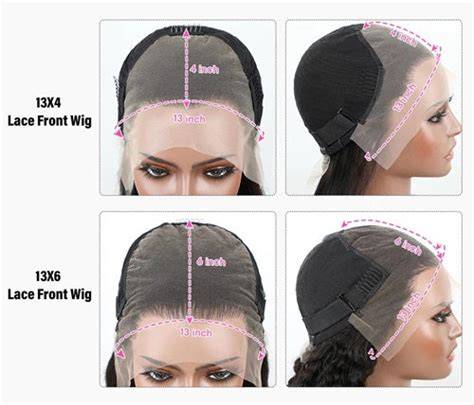
Lace front wigs are those whose front section is made from a piece of nearly invisible lace material, such as French or Swiss lace. The hair is hand-tied to the lace, and knots are typically bleached for a knotless effect. Lace is soft and breathable, allowing an illusion that hair grows from the scalp. The front lace extends from temple to temple for added naturalness and realism; this type of wig is also called a full front lace wig.
The hairline is everything for wig wearers. When lace is pressed against skin, it blends with skin tone and doesn’t reflect light, achieving the most realistic hairline. The hair itself is often hand-tied to the lace, enabling a natural growth illusion and a seamless transition from scalp to hairline.
Base Designs and Variations
Newtimes Hair offers various base designs of lace front wigs. Some have lace down the part, while others aim for a natural growth illusion across the entire top of the head. Monofilament wigs with a lace front are highly recommended for the most authentic look. Medical-grade bases with diamond lace tops add comfort, while anti-slip silicone strips help keep the wig secure during wear and removal.
In professional lines, full lace bases-where the entire cap is lace-are used for maximum styling versatility and a highly natural look. A base like “Natalie” may feature a full lace cap with a lace front and a soft diamond lace top, balancing realism with comfort.
Human Hair vs. Synthetic Lace Front Wigs
Humans hair lace front wigs offer realism, longevity, and versatility in styling. Synthetic lace front wigs are generally more affordable but require different care and may not hold up under frequent heat styling in the same way as human hair. For salons and clinics, high-end human hair options-such as Remy human hair that is cuticle-aligned-are a premium choice that preserves natural movement and texture over time.
Premium designs may include hand-tied, 100% Remy human hair with premium lace fronts, ensuring a natural look and comfortable wear for clients experiencing hair loss due to medical treatments or alopecia.
How Much Does a Lace Front Wig Cost?
The lace front is a premium feature, requiring more time and craftsmanship to tie the hair to the lace and ensure flawless front hairlines. Generally, synthetic lace front wigs range from $200-$580, depending on length and cap design, while human hair lace front wigs usually sell for $600-$2,500. In premium lines, wholesale opportunities are available for salon owners and clinics seeking high-quality stock.
Maintenance and Longevity
The lifespan of a lace front wig depends on hair type and care. Synthetic lace front wigs can last around six months with proper care, while human hair lace front wigs can last up to a year or longer with proper cleansing and conditioning. To maximize lifespan, consider rotating between two wigs-keeping one in use while the other is washed or maintained. Regular cleansing using products designed for wigs, gentle conditioning, and avoiding heat without proper protection will extend wear.
Washing should be done with lukewarm water and wig-specific care products. Never use hot water, and avoid harsh chemicals that can warp the lace or damage delicate knots. After washing, air-dry completely to preserve the integrity of the cap and the hair strands.
How to Put On and Secure a Lace Front Wig
To wear a lace front wig, use a wig cap to protect natural hair and create a flat surface for the wig. Place the wig from the front hairline and gently press the lace onto adhesive or tape. Secure with clips or pins as needed, then style the wig to the desired look. Lace fronts can be trimmed to customize fit and hairline, with careful handling to preserve the delicate lace.
Some clients prefer tape or adhesive for extra security. If using adhesives, ensure proper application to avoid damage to hair and scalp, and always loosen adhesive before removing the wig. For those who want to minimize glue use, clips or adjustable straps can provide additional security without compromising comfort.
Caring for a Lace Front Wig: Practical Tips
Keep the lace front intact by avoiding harsh treatments and extreme heat. Use heat protectants if styling human hair wigs and limit heat exposure to prevent damage. For daily wear, avoid washing too frequently; a routine like washing every two weeks for frequent use helps maintain the wig’s integrity. When not in use, store the wig upright or on a stand to preserve its shape and prevent tangling.
Be cautious with dyes and chemical treatments; they can compromise the lace and hair. Gentle, sulfate-free conditioning helps maintain softness and manageability. Regular maintenance by a professional can help preserve the natural look and longevity of the wig.
Who Should Wear a Lace Front Wig?
Lace front wigs are suitable for anyone seeking a flawless hairline and confidence boost. They’re especially beneficial for clients experiencing hair loss due to chemotherapy or alopecia, as they offer a natural front hairline and comfortable wear. If the cap fits and the style suits the wearer, lace front wigs can be trimmed or styled to become a personalized look that feels like their own hair.
Special Considerations for Men’s Lace Front Wigs
Men’s lace front wigs are designed with attention to a natural look and a secure fit. The base is typically breathable, with a focus on a hairline that mimics natural growth. Hand-tied strands and a fine front lace create a realistic appearance, while a skin or poly perimeter provides structure and stability. Material choices and craftsmanship vary, but the goal remains the same: an undetectable, comfortable wig that blends with the wearer’s scalp and skin tone.
For men seeking discreet, natural coverage, high-quality lace fronts can offer a confident everyday solution. Proper care and correct fitting are essential to ensure the wig remains comfortable and looks natural throughout daily activities.
Historical Perspective: Wigs Through the Ages
Wigs have a long history in many cultures, from ancient Egypt to European courts. The art of wig-making evolved from simple coverings to highly decorative and technically sophisticated pieces. In the 17th to 19th centuries, wigs played a significant role in fashion and status, and modern lace fronts carry forward that tradition of realism and craftsmanship. The modern industry continues to blend traditional hand-tied techniques with advanced base designs and materials to deliver natural-looking, comfortable options for wearers today.
Care and Sizing Tips
- Measure the head accurately to choose the correct wig size; an ill-fitting cap can damage the hairline.
- For added security, consider tape or adhesive, applied properly to avoid hair damage.
- Avoid excessive washing; establish a routine that keeps the wig clean without over-handling the knots.
- When removing a wig, do so slowly to protect the delicate front lace and knots.
- Store the wig properly to prevent tangling and maintain shape and texture.
- Choose a lace front wig with a front lace that blends with skin tone for the most natural look.
- Opt for a high-quality base (French lace, Swiss lace, or monofilament front) for durability and realism.
- Prefer 100% Remy human hair when possible for longevity and ease of styling.
Images and videos can help illustrate the construction and wearing process in practical terms. The following visuals are recommended when the article is published online to enhance understanding and engagement.
Hair Ventilation Basics: How to Knot Hair in Wig Lace
To summarize, a lace front wig is a sophisticated hairpiece designed to mimic a natural hairline by using a lace front that blends with the wearer’s skin. The choice between human hair and synthetic fibers depends on budget, lifestyle, and desired realism. With proper care, a high-quality lace front wig can provide a comfortable, secure, and natural-looking solution for men and women alike.