When you want to switch from red to a lighter shade, bleaching is often the first step, followed by toning to reach the desired blondes and finishes. This guide compiles practical tips and common considerations from product details and expert insights to help you understand how to approach hair bleaching specifically for red hair.
Starting with the right products and approach
Dyeing or bleaching over red hair can be tricky because red pigments are deeply rooted and persistent. If your goal is to go lighter, bleaching (full-head or targeted highlights) is usually necessary before applying a toner or lighter dye. Bleach lifts the hair cuticle to allow color removal, but it can also damage the hair, so choosing appropriate developers and processing times is essential.
Common starting points include a developer with a lower volume for gentle lifting on light red hair, while higher volumes may be required for darker reds. Always follow product instructions and consider seeking professional advice if you’re unsure about volumes and timing.
Step-by-step: how to lighten red hair at home (overview)
- Section your hair into four parts to ensure even application, using a comb to create clean parts.
- Wear gloves and mix bleach with the recommended developer according to package directions.
- Apply bleach in small sections, starting at the mid-lengths and moving toward the ends, then work toward the roots.
- Let the bleach process for the specified time, checking for even lightening and aiming for a light yellow stage before rinsing.
- Rinse thoroughly with lukewarm water once the target lift is reached, then proceed to toning to counteract brassiness.
Note: processing times vary based on your initial red shade and hair porosity. If your hair remains dark red after the first pass, you may need additional lightening sessions, spaced several weeks apart to reduce damage.
Toning: turning lightened red hair into your desired shade
After bleaching, toning is used to neutralize yellow or brassy tones and to move toward the color you want, such as strawberry blonde, light blonde, or ashier blondes. A 20-volume toner is commonly recommended, but always match toner shade to your target color and follow the manufacturer’s instructions for use and processing time.
There are alternative, gentler options for maintaining cool tones, such as purple shampoos, which can help manage brassiness without additional chemical processing. Toner application typically follows the same sectioning method as bleaching, ensuring even coverage.
Color decisions over red hair: what works over red
What color can you put over red hair? Brown, black, and in some cases lighter tones after proper lifting can be options, but the choice depends on your current red shade and desired result. Darker browns or blacks can mask red tones more effectively, while lighter tones require sufficient lightening first. Conversely, attempting to go lighter without adequate lifting may yield orange or muddy results.
For example, light-brown shades can work well over light-red hair, with the darker browns complementing deeper red hues. If you want a natural brunette, choose a neutral or cool/ash brown to counteract red undertones. When aiming for a dramatic change, black dye can further darken red hair, often producing a true black that may fade to burgundy rather than a pure brunette shade.
Important practical tips and care after bleaching
- Bleached hair can be very dry and fragile. Use hydrating masks and protein-rich treatments to restore moisture and strength.
- Avoid excessive heat styling in the days following bleaching to minimize further damage.
- Use color-safe and damage-repair products designed for color-treated hair to maintain results and reduce fade.
- If you’re swimming, protect hair from chlorine, which can cause greenish tones or other unwanted color shifts; apply a protective spray or conditioner before exposure.
- Consider scheduling a toner refresh every 2-8 weeks to maintain the desired shade and prevent brassy reversion.
When to seek professional help
For significant color changes from red to lighter blondes or platinum, professional supervision is strongly recommended. A licensed colorist can tailor developer strengths, lifting strategies, and toning levels to your hair’s condition and history, reducing the risk of damage or uneven results.
Additional considerations: safety and realistic expectations
Red tones are among the most resistant to removal, and achieving a lighter color may require multiple sessions and dedicated care. Bleaching too aggressively or too frequently increases the risk of breakage and dryness. If you’re unsure, test a small strand first or consult a professional before committing to full-head bleaching.
There are also home-friendly options for safer at-home color correction, such as color remover products that can help lift color without bleach. If bleaching is necessary, proceed gradually and monitor hair’s response to each treatment.
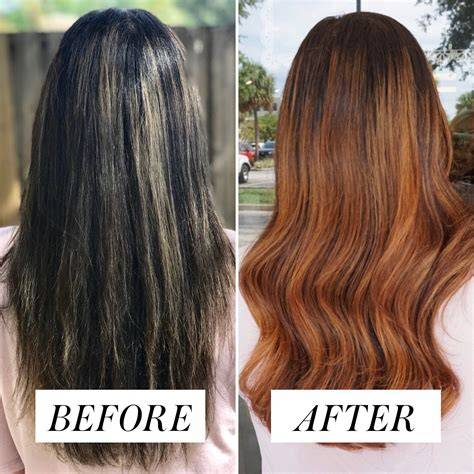
How to Lighten Hair Dyed Too Dark | 10 Easy Ways To Do It | Home Remedies & Professional Methods
Note: This article compiles practical steps and considerations for bleaching red hair, with emphasis on caution, gradual processing, and post-treatment care to minimize damage.