Oily hair isn’t about unruly strands alone; it’s about how excess sebum affects the appearance and texture of your hair. When your scalp produces more oil, the strands tend to cling together at the roots, weighing hair down and making it look thinner or shinier. Conversely, washing and blow-drying can temporarily restore fullness as the oil is removed and the roots lift.
Understanding the oily hair cycle
Oily hair results from sebaceous glands in the scalp producing sebum, the oily substance that keeps hair moisturized. However, when these glands become overactive, they can cause blockages, buildup, and a greasy appearance that may give an impression of thinning. Hormonal changes and genetics can influence how much oil your scalp produces, while daily habits can either exacerbate or alleviate the problem.
Overwashing often backfires: washing too frequently strips natural oils and signals the scalp to produce more oil, leading to grease soon after washing. Underwashing allows dirt, sweat, and product buildup to accumulate, contributing to oily hair as well. The right balance depends on your hair type, scalp, and lifestyle.
Why greasy hair can look thinner
Grease at the root area causes strands to stick together, creating the illusion of reduced volume. A buildup of oil at the base of follicles can make hair appear clumped and less buoyant, especially in photos or under certain lighting. When you wash away the oil and style with a blow-dry, the roots lift and the hair looks fuller again.
Practical strategies to manage oily hair
Find the right washing frequency: determine how often your hair truly needs washing. Too frequent or too sparse washing can worsen oiliness and volume problems. Use a clarifying shampoo occasionally to deeply cleanse without stripping essential moisture.
Choose products that support a balanced scalp: look for sulfate-free shampoos and formulas designed to maintain the natural pH balance of hair. Avoid heavy silicones and parabens that can leave a greasy residue. Consider lightweight, oil-control options and avoid overloading with heavy conditioners at the roots.
In between washes, dry shampoo becomes a powerful ally. It absorbs oil at the roots, boosts volume, and helps maintain a fresh look without daily washing. To use effectively: shake the bottle well, section hair, spray onto roots from about 12 inches away, massage in, brush through, and style. Avoid overuse or spraying too close to the scalp.
Be mindful of buildup from styling products and daily habits: dirty brushes, pillowcases, and frequent touching can transfer oils and dirt back to hair. Reduce product heaviness and consider lightweight styling alternatives to prevent masking the root issue.
Styling and maintenance tips for volume
Strategic styling can counteract the appearance of thinness caused by oil. Pulling hair back into a ponytail or protective style can reduce the visibility of lank strands. A well-chosen brush for your hair type helps distribute product and lift roots without weighing hair down.
Hair masks and occasional treatments can help balance the scalp. Look for masks with natural clays or ingredients that rebalance the scalp without stripping necessary moisture. If oiliness persists despite adjustments, consider consulting a dermatologist or trichologist for personalized guidance and treatment options.
Not every oily episode means hair loss or a fundamental problem. If your scalp shines through but there are no other signs of hair loss, it may simply reflect oiliness and the way hair weighs down under grease. Hair training-washing less frequently to encourage oil reduction-may work for some, but it depends on your hair type and underlying causes.
Common questions addressed
What does it mean when hair gets oily? It’s the sebaceous glands producing extra oil, influenced by hormones and genetics. Is there anything to worry about? Usually not, but if you notice persistent thinning, patchy loss, or other symptoms, seek professional advice. Can dry hair be involved? If your hair is dry and itchy, it could indicate seborrheic dermatitis, which may respond to specific treatments like medicated shampoos such as nizoral along with other care approaches.
How can I make hair less oily? Reducing processed foods and fried foods can support balanced sebum production, while a suitable cleansing routine and appropriate products help manage oil without over-drying. Dry shampoos are valuable between washes, but choose products designed for your scalp to avoid buildup.
Summary of actionable steps
- Determine your optimal washing frequency to balance oil without over-stripping.
- Use a sulfate-free, pH-balanced shampoo designed for oily hair.
- Incorporate dry shampoo between washes to absorb oil and add volume.
- Avoid heavy conditioners at the roots and minimize silicone-heavy products that weigh hair down.
- Keep brushes, pillowcases, and hands clean to reduce oil transfer.
- Consider a scalp-friendly hair mask or clay treatment to rebalance the scalp.
- If oiliness persists or you notice unusual shedding, consult a dermatologist.
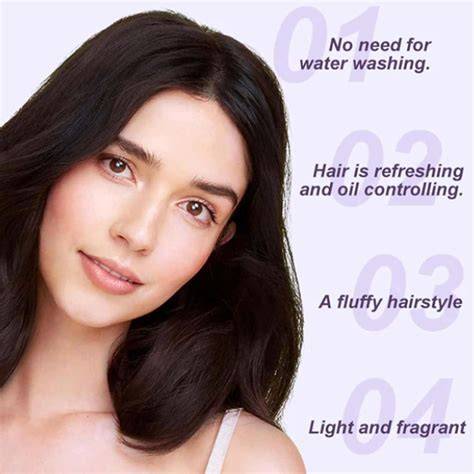
Infographic suggestion: A visual showing sebum production, causes of oily hair, and recommended products and routines.
Doctor's Fix For Oily & Greasy Hair | Skincare & Haircare Tips
Video suggestion: Quick guide to washing frequency, drying technique, and dry shampoo usage for oily hair.