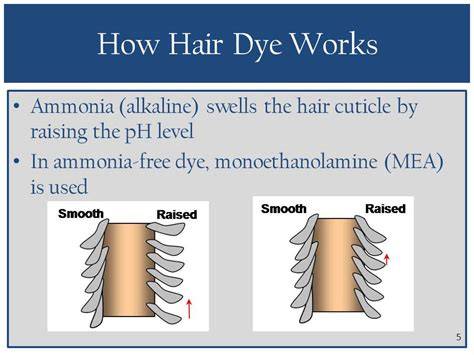
Ammonia and MEA (monoethanolamine) are alkalizing agents used in hair color to swell the cuticle and allow dye molecules to penetrate into the cortex. When a color is marketed as “ammonia-free,” the alkalizing agent is typically MEA or, sometimes, AMP (aminomethylpropanol).
Ammonia: the traditional alkalizer
Ammonia is a gas-based alkalizing chemical which means that it evaporates in a short amount of time. Ammonia is highly efficient in swelling the cuticle layers, because it provides the alkalinity needed to deliver the color molecules into the cortex. Ammonia has a strong odor, however, that odor usually dissipates within a few minutes of mixing with peroxide. Molecular weight of Ammonia is 17. % of ammonia in hair color ranges from 1.5% in darker shades to 3.5% in ultra lifts. Ammonia-based formulas offer excellent coverage and depth, enabling vibrant shades and up to 100% gray coverage, especially in permanent colors.
MEA and other ammonia substitutes
MEA is a liquid-based alkalizing chemical. Differing from Ammonia, which is a gas and can dissipate, MEA must be removed from the hair. Residual MEA left in the hair can cause progressive darkening and dull the hair color. MEA can swell the cuticle layers, but is not as efficient in delivering the dye molecules into the cortex. MEA is odorless, which is often used as a marketing point for ammonia-free permanent color, but the odorless nature does not guarantee the absence of chemical effects. The molecular weight of MEA is 61. Because of its larger size, MEA-based permanent colors cannot fracture melanin as effectively, which can limit bright results or gray coverage. MEA in permanent color generally ranges from 6% in darker shades to 10% or more in lighter shades.
Choosing between ammonia-based and ammonia-free colors
For lifting action and maximum pigment deposition in permanent color, ammonia-based formulas are often preferred. For demi-permanent color or situations where no lift is desired, MEA-based colors are commonly chosen to achieve a softer grow-out and reduced odor. The key is understanding the main differences between the two: the medium (gas vs liquid), the evaporation behavior, the lifting power, gray coverage, and how the formulas interact with the cuticle and cortex. There is a time and a place for every hair color option, and marketing shouldn’t drive every decision.
When it comes to odor, the absence of a strong smell is a primary selling point for ammonia-free products. However, odor alone does not determine hair health or color performance. Ammonia-based colors have been proven to provide reliable lift and gray coverage for many clients, while ammonia-free formulas can offer gentler experiences and modern delivery systems that rely on oils or other carriers to facilitate color diffusion.
Examples and highlights from major product lines
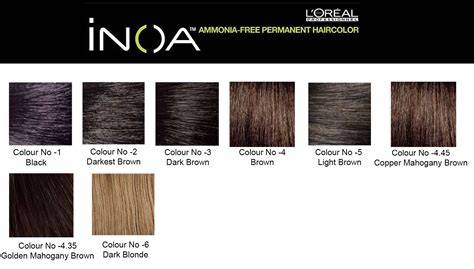
INOA and Illumina Color are cited as ammonia-free options in some marketing materials, often highlighting oil delivery systems and other technologies to protect hair while delivering color. L’Oréal Professionnel’s INOA line is described as ammonia-free, utilizing an oil-based delivery system to provide permanent color with up to 100% gray blending, reduced odor, and a natural-looking finish. Koleston Perfect is presented as a high-precision permanent color designed to deliver vibrant results with reduced allergy risk through ME+ dye molecules. In contrast, traditional ammonia-based lines emphasize the ability to achieve strong lift, bright color, and robust gray coverage.
Practical guidance for salon practice
For permanent color, ammonia often provides the best lifting action and color vibrancy, especially for gray coverage. For demi-permanent color or when the goal is a softer grow-out and lower odor, MEA-based formulas can be advantageous. Always perform an allergy test 48 hours before each coloration and tailor the choice to client needs, hair condition, and desired results. Use professional brands that provide clear safety instructions and patch tests, and select products based on the client’s hair health, scalp sensitivity, and color goals.
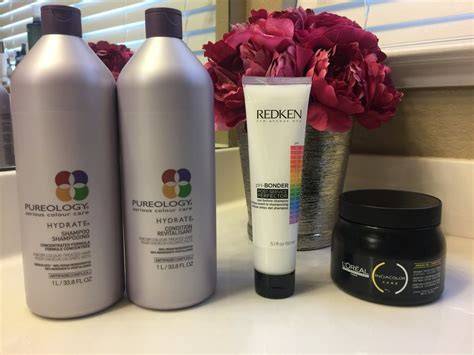
Care during and after color appointments matters as well. A scalp primer before color, nourishing shampoos, and conditioning treatments help protect hair integrity. For example, a scalp primer, ColorMotion+ shampoo, anti-dandruff balancing shampoo, and deep conditioning masks can support color-treated hair. In salon practice, the right combination of color chemistry and post-color care contributes to healthier-looking results and longer-lasting shade.
Special topics: color for grey, grey transition, and cancer survivors
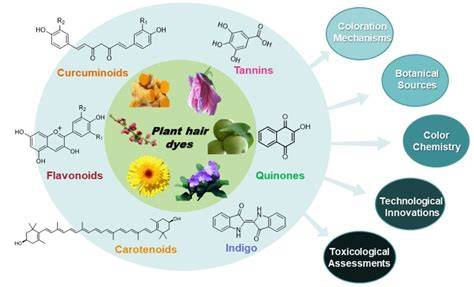
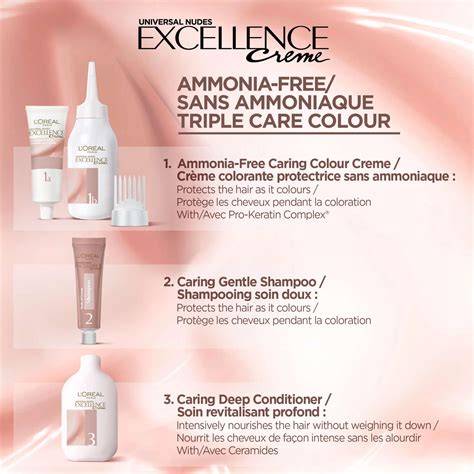
Natural and ammonia-free options are popular for transitioning to grey due to their gentler profiles and reduced chemical exposure. For cancer survivors or clients with sensitive scalps, ammonia-free and plant-based formulas offer safer alternatives that deliver vibrant results without harsh chemical exposure. Studies and industry commentary suggest that ammonia-free options can reduce irritation risks while still achieving desirable color outcomes, especially in demi-permanent contexts or when minimizing lift is important.
Key takeaways
- Ammonia and MEA are both alkalizing agents used to swell the cuticle and help color penetrate the cortex.
- Ammonia provides strong lift and robust gray coverage but has a noticeable odor and is evaporative.
- MEA-based formulas are odorless, potentially gentler, but may require different processing or have limited lift for permanent color.
- Ammonia-free does not automatically mean healthier or better; choose based on desired lift, gray coverage, and client needs.
- Always patch test clients and follow safety guidelines regardless of formula type.
Practical guidance: choosing and caring for color
When you want the best lift and vibrant permanent color, ammonia-based formulas can be superior. When you want a gentler, lower-odor option, consider MEA-based or other ammonia-free formulas, especially for demi-permanent color or clients with sensitivities. In all cases, coupling the color choice with a solid aftercare routine helps preserve color and hair health.