Wave goodbye to uneven hair texture, bumpy hair strands, split ends and more damage. We’ve covered all bases here. Hair care is essential when you notice signs of damage, and addressing uneven thickness starts with understanding what you’re dealing with and how to support your hair shaft’s resilience.
What does uneven hair thickness mean and why does it happen?
Hair strands can feel bumpy or uneven when there are gaps in the protein cells of the hair shaft, signaling damage. Bumps or an uneven hair texture mean that there are gaps in the protein cells and that it is damaged. Damaged hair leads to breakage because the tensile (the capacity to withstand tension) of your hair shaft is compromised. Be mindful of environmental stresses at their peak, including exposure to the sun, harsh chemicals, heat styling, improper brushing techniques, and a poor diet, all of which can contribute to uneven strands.
Five common signs of damaged hair and uneven strands
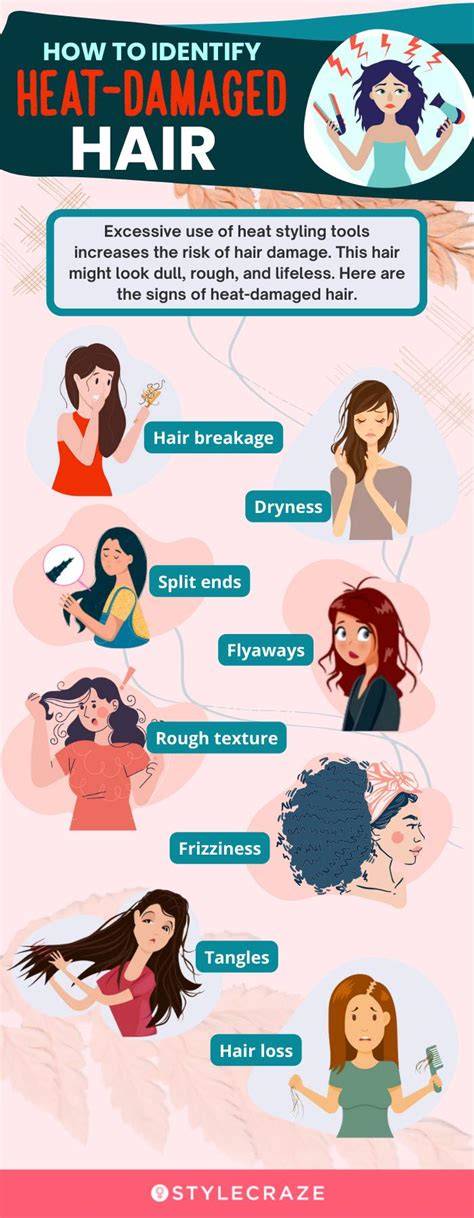
- Bumpy hair strands: Run your fingers along a strand; if it feels rough and uneven, it’s a sign of damage.
- Excessive hair breakage: Strands in your palm after brushing indicate weakened shaft integrity.
- Extremely frizzy hair: Frizz despite conditioning may reflect underlying damage and compromised cuticles.
- Too many split ends: If ends split sooner than every six to eight weeks, damage is present and trimming is often the only fix for length growth.
- Dull and lacklustre strands: Build-up from dirt, pollution, and products can dull hair and signal damage.
How to care for hair and fix uneven strands
To address uneven thickness and improve overall hair health, consider the following steps. They balance short-term styling goals with longer-term structural care for your strands.
- Get regular haircuts: Split ends travel up the shaft and cause more damage; trim every 6-8 weeks to prevent further breakage.
- Switch to hydrating, repairing cleansers and conditioners: Choose products that focus on moisture and protein balance to support strand integrity.
- Deep condition and use masks weekly: Dry, damaged hair needs intensive moisture. Apply a deep conditioning mask once or twice a week with ingredients like coconut oil, honey, shea butter, or other protein-rich components to restore strength. Hair oiling is an age-old ritual; consider champi massage with Ayurvedic oils rich in Bringha, Amla, Brahmi and Almond for nourishment.
- Switch to silk pillowcases and gentle hair ties: Cotton pillowcases and tight ties create friction and cause breakage. Sleep on silk or satin and use soft elastics or loose hairstyles to reduce stress on your hair.
These simple practices help you work toward healthier-looking hair that feels smoother and more even in thickness. If you’re seeking more advanced options, professional guidance can offer tailored strategies.
Handling uneven strands: additional approaches
In some cases, people explore techniques to alter texture or achieve a more uniform appearance. Liquid keratin treatments and chemical hair straightening products are options some professionals discuss. They may offer longer-lasting straightening effects, but results are not permanent and require maintenance. For many, the safest path is to focus on gentle care, reduced heat exposure, and conditioners that restore elasticity. A stylist can advise on keratin-based treatments and suitable products with keratin or other conditioning ingredients. It’s important to consult a professional to determine what aligns with your hair type and goals.
The hair follicle is the structure of skin from which the hair shaft emerges. A muscle called the arrector pili attaches to the outer root sheath below the sebaceous gland. The cuticle is the outer and strongest part of the hair shaft. It is made up of dead flattened cells that overlap each other. A hair shaft defect is any structural abnormality of the hair shaft.
Notes on structural hair disorders
Inherited or acquired conditions can influence hair texture and strength. Examples include beaded (monilethrix), ringed (pili annulati), and other keratinization abnormalities. Although there is no universal cure, gentle hair care remains essential, and short hairstyles may be advisable in certain conditions. If you notice persistent, unusual changes in thickness or texture, consider consulting a dermatologist or trichologist for assessment and guidance.
Practical routine for everyday uneven strands
Consistency matters. A practical, evidence-based routine includes regular trims, hydrating cleansers, deep conditioning, protein-rich treatments, silk materials, and gentle styling habits. Implement a weekly deep-conditioning session and opt for heat-protectant products when using styling tools. Be mindful of external factors such as sun exposure, pollution, and harsh chemicals that can exacerbate uneven texture over time.