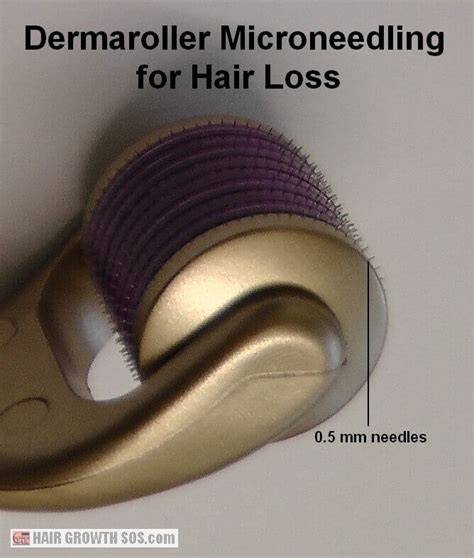
Dermarollers are devices equipped with hundreds of tiny needles designed to create micro-injuries on the scalp and skin. This process, known as microneedling, is thought to trigger the skin’s wound-healing response, potentially boosting collagen production and improving the absorption of topical treatments.
Dermarollers work by causing micro-injuries to the skin without significantly damaging the skin barrier. These micro-injuries heal quickly, leading to stimulation of collagen and elastin fiber production, which can improve the appearance of the skin. These products may also help improve how medication reaches the skin, as micro-injuries allow medications to penetrate the skin barrier more easily.
There is some evidence that dermarollers can benefit hair growth. Most studies investigate the effects of microneedling alongside another therapy, such as minoxidil, and there is not enough research evaluating the use of dermarollers on their own for hair loss. A 2021 review found that microneedling may be more effective at increasing hair growth than minoxidil. However, using minoxidil and microneedling together was more effective than microneedling alone.
The FDA has not cleared any microneedling devices for at-home use, and has not reviewed the safety or effectiveness of combining microneedling devices with other products. Devices are available to purchase for home use, but this should be done only on the recommendation of a dermatologist or healthcare professional. Dermatologists usually recommend microneedling in a clinical setting, though some circumstances may lead to at-home use.
People should avoid using dermarollers if they have active acne, cold sores, warts, eczema, psoriasis, sunburn, or sensitive skin, and those with clotting disorders or on blood-thinning medications should exercise caution. If you don’t have these conditions, at-home dermarolling for hair growth is generally considered safe when performed with proper hygiene and technique.
Choosing a Dermaroller: Needle Length, Design, and Guidance
When selecting a dermaroller, several factors matter. A dermatologist may recommend specific needle lengths to suit an individual's needs, with varying options from 0.25 mm to 1.5 mm. Shorter needles are often used for general scalp health and product absorption, while longer needles aim to stimulate hair growth.
Features such as an anti-slip design, ergonomic handles, and clear usage instructions can improve usability. Manufacturers may offer interchangeable heads or replaceable components to maintain hygiene and effectiveness. Always follow the manufacturer’s instructions, and seek professional guidance to determine the best needle length for you.
Most manufacturers recommend using a dermaroller one or two times a week, but frequency should be tailored with the help of a dermatologist. The cost of dermarollers varies by needle length, material, and accessories, with common prices around $10-$20 for basic models.
Home Use vs Clinical Setting: What Experts Recommend
Dermal specialists generally favor clinical microneedling for hair loss, particularly for individuals with unusual scalp conditions or sensitive skin. In some cases, dermatologists may approve at-home dermarolling if the patient has a healthy scalp and understands how to use the device safely.
In-office dermarolling can be aligned with prescription therapies or procedures, such as corticosteroid injections or hair transplants, depending on the underlying cause of hair loss.
Dermaroller Options for Hair Growth
- Best Overall: Vegamour 0.25 mm GRO+ Advanced Scalp Dermaroller. Features a wide head for faster coverage and a replaceable head every 30 days. Designed to pair with Vegamour GRO+ serum for enhanced absorption.
- Best for Scalp: BUR BUR Growing Season Derma Roller. Uses individual titanium linear needles for precise punctures and reduced irritation; includes travel-friendly design.
- Best for Hair Thinning: BeautyBio GloPRO Microneedling & Healthy Scalp Hair Density Treatment Set. Combines microneedling with optional red light therapy and a 0.3 mm needle length.
- Best for Face & Scalp: Kitsch Micro Derma Roller. Gentle 0.25 mm needles suitable for beginners and versatile for scalp and face use.
- Best for Beard: The Beard Club Beard Derma Roller. 0.25 mm needles designed for facial hair growth, with use on beards and potential applicability to scalp in some circumstances.
- Best for Product Absorption: iRestore ScalpStim Derma Roller. 0.5 mm needles, larger rolling area intended for efficient scalp coverage.
Each option comes with its own set of pros and cons, including needle length, material (e.g., titanium vs stainless steel), ergonomics, replaceable parts, and compatibility with scalp serums or hair growth treatments.
How dermarolling may influence hair growth
Dermarolling the scalp is believed to increase blood flow to hair follicles and boost nutrient delivery to the roots, which can support hair follicle activity and growth. It may also strengthen existing hair by stimulating collagen and elastin production in the scalp and by improving the absorption of topical treatments.
Users are advised to practice proper hygiene: cleanse the scalp and dermaroller before use, avoid excessive pressure, and roll in multiple directions (vertical, horizontal, and diagonal) to cover all areas. After rolling, applying a dermatologist-recommended serum or minoxidil can enhance absorption.
Risks and safety considerations
Potential risks include infection if the device is not sterilized, irritation from overuse or excessive pressure, and hair breakage if needles are too long or technique is incorrect. The maximum recommended frequency is typically twice per week, with adjustments advised by a dermatologist.
Individuals with active scalp conditions, eczema, psoriasis, or wounds should avoid dermarolling until the condition is resolved or a dermatologist provides clearance. Those with bleeding disorders or on blood-thinning medications should seek professional guidance due to increased bleeding risk.
Practical guidance: how to use a dermaroller safely at home
1) Choose the appropriate needle length for your goal (0.25-0.5 mm for general absorption; up to 1.5 mm for hair growth under professional supervision). 2) Cleanse scalp and dermaroller thoroughly before use. 3) Roll gently in multiple directions with light pressure. 4) Apply a dermatologist-approved serum or minoxidil after rolling. 5) Sanitize and dry the dermaroller, then store in its container.
If you are new to dermarolling, consider starting with a beginner-friendly model (0.25 mm), and consult a board-certified dermatologist to tailor frequency, needle length, and accompanying products to your scalp condition and hair goals.
Additional strategies to support hair growth
- Minoxidil remains one of the most widely used FDA-approved topical treatments for hair thinning and pattern baldness.
- A balanced diet rich in vitamins and minerals, including biotin, vitamin D, and iron, can support healthy hair growth.
- Low-level laser therapy (LLLT) devices may be suggested by dermatologists as an adjunct to stimulate follicles.
- Scalp massages can help increase blood flow to hair follicles and complement other therapies.
Dermatologists can help determine whether at-home dermarolling or other interventions should be used, and they can guide the choice of devices, needle lengths, and complementary treatments based on an individual’s hair loss diagnosis.
TWIST by Dermaroller® Introduction video by DermaSpark
In summary, dermarollers may offer a path to support hair growth when used correctly and under professional guidance. While at-home options exist and can be convenient, efficacy tends to improve when microneedling is combined with other treatments and personalized dermatologic care.