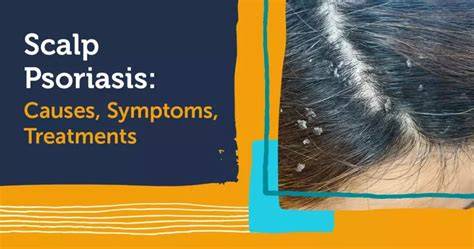
Psoriasis is an autoimmune inflammatory condition that can manifest as scaling and thickening of the skin, including the scalp. It’s not only a visual condition; it can affect self-esteem and cause itching, burning, and discomfort. While genetics play a role, triggers such as stress, illness, and environmental factors can worsen flares. Maintaining a healthy lifestyle with a balanced diet, regular exercise, and stress management may help in overall disease control.
Foundational care for scalp psoriasis
Talk to a dermatologist first to confirm the diagnosis and tailor a treatment plan. The first step often involves cleansers, emollients, and medicated shampoos that address scales and inflammation. Over-the-counter products may provide quick relief for mild symptoms, while prescription therapies are considered for more persistent cases.
Short exposure to sunlight or UV light can help control symptoms, with phototherapy typically pursued under medical supervision. Balneotherapy (mineral water immersion) and coal tar baths are additional options some centers offer, sometimes in combination with light therapy. For moderate to severe cases, your dermatologist may consider systemic medications or biologics, chosen based on disease severity and quality of life considerations.
Moisturizing and protecting the scalp
Showering with warm water and applying moisturizers while the skin is still humid improves hydration. A body oil or petroleum jelly (Vaseline) used after washing can seal in moisture and reduce dryness. Emollients form the backbone of psoriasis therapy and should be used liberally to prevent dryness, with thicker preparations such as ointments often offering longer-lasting hydration.
Keep the scalp moisturized several times a day, particularly after bathing. If plaques itch, a cold compress can ease itching. Avoid hot showers, which strip moisture from the skin; opt for lukewarm water and brief exposure to water whenever possible.
Shampoos, baths, and scalp-focused treatments
Coal tar shampoos are commonly recommended for scalp irritation and scaling, and can be mixed with regular shampoos or conditioners for additional benefits. Salicylic acid helps soften and remove scales and is available in various strengths for scalp use. Colloidal oatmeal baths or finely ground oats in a bath can soothe itching and inflammation. For some, coconut oil or olive oil helps to soften plaques and reduce irritation due to their moisturizing and anti-inflammatory properties.
Vitamin D analogues and topical steroids remain standard medical treatments; however, topical remedies for mild cases, used in consultation with a clinician, can support symptom control. Capsaicin-containing products have been explored for inflammation and pain, but evidence is limited and responses vary.
Evidence-based home remedies and pantries’ helps
Home remedies can complement medical treatment. Aloe vera gel or creams may reduce itching and inflammation when applied to plaques, usually up to three times daily, with effects potentially emerging after several weeks. Omega-3 fatty acids, either through diet or supplements, may support anti-inflammatory processes, though results vary across individuals. Turmeric (curcumin) and garlic-derived products have anti-inflammatory properties and may offer additional benefits when used as part of a broader treatment approach.
Tea tree oil is popular for inflammatory skin conditions, but robust evidence for scalp psoriasis is limited. Sea salts or Epsom salts in baths can help with relaxation and may modestly reduce itching and inflammation due to magnesium. Oats, whether as colloidal preparations or ground into bath soaks, provide soothing relief for sensitive scalps.
Managing triggers and daily habits
Identify and avoid triggers such as infections, skin injuries, stress, smoking, and certain medications that can provoke flares. An anti-inflammatory diet-featuring oily fish, leafy greens, and olive oil-may help some individuals, while reducing or avoiding alcohol, dairy, gluten, citrus, and nightshade vegetables can benefit others depending on personal reactions. Track foods and symptoms in a journal to help identify correlations.
Daily habits to support scalp health include bathing with lukewarm water, using gentle cleansers, and applying moisturizers immediately after bathing. Keep nails trimmed to minimize skin damage from scratching. Wear breathable clothing and avoid tight headwear that traps heat and moisture. Regular stress-reduction activities such as walking, outdoor time, and therapy can contribute to overall management.
Treatment pathways and when to seek professional care
Your treatment plan will be individualized, starting with the mildest options and progressing to more intensive therapies if needed. For recurrent or severe scalp psoriasis, phototherapy, systemic medications, or biologics may be considered. If you are unsure about the cause of scalp symptoms, schedule an appointment with a dermatologist who can differentiate scalp psoriasis from dermatitis or other conditions and tailor treatment accordingly.
Reminders for safe home management: do not apply home remedies on cracked or bleeding scalp skin, and consult a clinician before starting new supplements or therapies, especially if you are already on prescription medications. If symptoms persist or worsen, or if you experience joint pain, seek medical advice promptly, as psoriatic arthritis can accompany scalp psoriasis in some individuals.
Psoriasis Explained Clearly - Including Types and Treatment
In practice, short, gradual, and consistent steps tend to yield the best outcomes. A combination of medical therapy guided by a dermatologist and supportive home-care measures can help manage scalp psoriasis and reduce its impact on daily life.