When you’ve dreamed of a fuller upper lip and your moustache stalls just as you start to enjoy the look, you’re not imagining things. Growth starts in a rhythm set by biology, and not all hairs rise to the same length or pace. The journey from a barely-there stache to a fuller, styled mustache involves understanding hair growth phases, genetics, nutrition, stress, hormones, and grooming practices that support or hinder progress.
Hair growth is a cycle with three phases
Hair on the body grows in three distinct phases. Phase one is medically called the anagen phase. It is the phase of growth. In the early parts of the phase, the root establishes itself and strengthens. Your hair will grow from the root, and it will keep growing undeterred for the duration of the phase. Phase two is called the catagen phase. It’s completely different from the first phase. For starters, the catagen process usually only takes a few weeks. In this phase, your hair completely stops growing (in the follicle experiencing the phase), and it disconnects from your blood supply. The hair and follicle are no longer receiving nutrients, and the death of the hair and follicle is imminent. The final phase is the telogen phase. It’s the part where the follicle completely resets; this begins with a period of rest. Very little happens. When the subdermal layer is ready, a new root will start where the old one died. The old hair falls completely out (this is why everybody continuously sheds hair). The new one will grow below, and this will ultimately transition into a new anagen phase.
We talked a little bit about how the duration of the phases determines the length of your moustache or beard. That ultimate length is referred to as terminal length, and it applies to all the hair on your body. Terminal length is how long your moustache can get, on average, when these cycles repeat. As you already read, the terminal length of individual hairs will vary from follicle to follicle. You can figure out your terminal length by simply paying attention. Grow out your moustache until the length gets stagnant.
Genetics largely sets the stage
Experimentally, many people discover that the reason a moustache stops growing or grows inconsistently is genetic predisposition. Just like scalp hair, facial hair varies from person to person. Testosterone stimulates growth, but if follicles are sparse or poor in number, growth stalls regardless of hormones. By the age of 30, whatever hair you did (or didn’t have) on your face was likely what you’d forever have. There’s nothing special about moustache hair; it doesn’t grow differently than other facial hair.
Common factors that influence growth beyond genetics
Aside from genetics, several conditions can influence facial hair growth: hormones, stress, alopecia barbae, and age. Low testosterone levels could impact growth, but this is less likely than genetics, and might come with other symptoms. Stress can trigger effects similar to calorie deficiency, conserving resources and potentially triggering the catagen phase earlier or weakening roots. Alopecia barbae is an autoimmune condition that causes patchy facial hair. Growth patterns also shift with age, especially during puberty and into early adulthood, meaning patience is often required.
Calorie sufficiency is crucial: a severe dieting deficit can shift resources away from hair growth. Even short-term dietary deficits can disrupt the moustache cycle, while a well-balanced diet with adequate protein and micronutrients supports hair follicles. Sleep and exercise influence hormones that regulate hair growth, so lifestyle matters just as much as genetics in the long term.
What to do if growth stalls
First, understand that there is no guaranteed way to extend the natural anagen phase for every follicle. You can, however, create conditions favorable to growth and maintenance. A healthy lifestyle supports hair growth: adequate protein, vitamins, minerals, and avoiding chronic calorie deficiency. Minimize stress through sleep and relaxation, and manage health conditions with medical guidance when needed. Hydration, skincare, and a proper grooming routine help the roots stay healthy and the skin beneath the moustache clear and nourished.
Grooming and care then become about maintaining a healthy environment for the hair you have. Clean skin, gentle cleansing of facial hair, and avoiding harsh over-washing preserves natural oils that keep follicles resilient. When the moustache grows longer, you might consider conditioning, and some men explore beard oils to keep the skin moisturized underneath and prevent flaking. For styling, moustache waxes and appropriate trimming help maintain the look you want without breaking or pulling hairs.
Practical steps to maximize fullness and upkeep
- Use the correct grooming tools: A proper routine includes washing and combing, and a beard/moustache kit that supports trimming without damaging the follicles. Avoid overwashing to protect natural oils.
- Consider treatments with care: Minoxidil for beard growth can target patchy areas, but consult a clinician before using it off-label, as results vary and it isn’t suitable for everyone.
- Dye can help perception of fullness: Darkening your moustache can visually enhance thickness, though it doesn’t increase actual hair count.
- Diet supports growth: A diet rich in protein, vitamins, and minerals nourishes hair follicles. Micronutrient sufficiency helps prevent shedding and supports cycle health.
- Sleep and exercise: Adequate rest and regular physical activity promote hormone balance that supports hair growth.
How long does it take to grow a moustache? The growth rate varies, but the average daily growth rate of beard hair is about 0.3 to 0.5 mm. Generally, expect a few months to see a thicker moustache, with individual follicles reaching terminal length or stalling at different times. If you see uneven growth, you can trim and shape to encourage a more balanced appearance, and the next growth cycle may fill in gaps as follicles cycle through anagen again.
Experiment in practice: a case of growing and reassessing
Growing a moustache can be an experiment in patience and perception. Some people notice growth within days, while others require weeks to see noticeable fullness. If you’re not seeing progress after a few weeks, reassessing the routine, nutrition, and stress levels can be more informative than chasing a rapid result. In cases where growth appears consistently limited, it often comes back to genetics and the density of facial hair follicles.
Trimming, styling, and finishing touches
When the moustache is longer, trimming helps prevent hairs from poking into meals and ensures a neat appearance. Dry trimming helps you assess true length, as wet hair can appear longer. Use careful, incremental snips to maintain symmetry. After trimming, styling with wax or specialized products can help set the shape and improve hold, giving you a polished look without forcing new growth where it isn’t present.
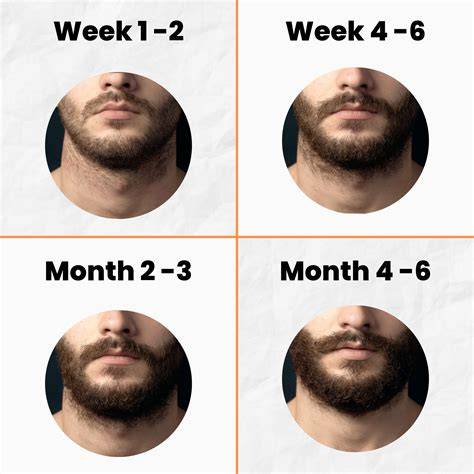
Six Month BEARD Time-lapse in Lockdown
There’s no single path to a fuller moustache. Some people embrace a minimalist style, others chase bold styles like the handlebar, and many discover a middle ground that suits their features and daily routine. The key is to manage expectations, support healthy growth through lifestyle choices, and groom with care to maximize the appearance of fullness you already have.
In the end, growing a moustache is a balance of biology and habit. You may discover that your terminal length differs from your friend’s, and that’s perfectly normal. The journey teaches patience, personal care, and a better understanding of how hormones, nutrition, stress, and genetics shape the hair on your face.
tags: #do #moustaches #stop #growing