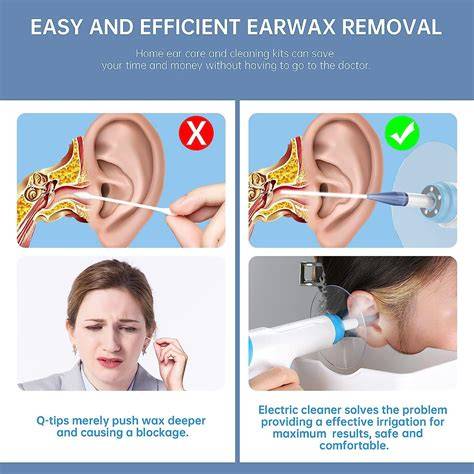
Earwax (cerumen) is produced in the ear canal and typically serves to lubricate, protect, and guard the ear from dirt and bacteria. It is not dirt, and in many cases you do not need to remove it. However, when buildup becomes uncomfortable or affects hearing, there are safe at‑home options alongside clear cautionary notes to seek professional help when needed.
Understanding earwax and when to seek professional help
Earwax is a natural, protective substance with antibacterial properties. It slowly migrates out of the ear canal as the skin sheds. Cleaning the ear canal aggressively can cause damage, such as irritation or perforation of the eardrum. If you have a hole in the eardrum, a middle ear infection, tinnitus, pain, or a sudden hearing loss, consult a clinician rather than attempting home remedies.
Do’s: safe home approaches to soften and remove earwax
- Over-the-counter ear cleaning drops - If you have a small amount of wax, look for drops containing hydrogen peroxide or other peroxide types. Use as directed: lie on your side, apply drops, wait about five minutes, then sit up and allow the liquid and wax to drain onto a tissue. If there is a blockage or impacted cerumen, a doctor may be needed as peroxide alone might not dissolve or remove the plug.
- Bulb syringe irrigation (careful use) - If drops don’t work, a bulb syringe filled with warm water can flush the ear. Be gentle, keep water body temperature, and avoid this method if you have a perforated eardrum, a recent ear surgery, or an infection. Tilt the head to the side to let the water drain away.
- Mineral oil or olive oil to soften - Oils can lubricate the ear canal and help soften earwax. Slightly warm the oil, place a few drops in the ear, keep the head tilted for a few minutes, then drain. Oils may improve wax softening but are often used in combination with other methods.
- Baking soda solution - A home option involves dissolving 1/2 teaspoon baking soda in 2 ounces warm water, placing 5-10 drops in the ear once daily, and waiting up to an hour before flushing with water. Do not use this method for more than two weeks.
- Hydrogen peroxide protocol - A 3% hydrogen peroxide solution can be used alone or mixed 1:1 with water. Tilt the head, drip 5-10 drops, and keep the head tilted for 5 minutes before rinsing. Use once daily for 3-14 days. Be aware peroxide bubbles and turns to water; dry the canal afterward to minimize bacteria growth.
- Oil‑soaked approach for softening - Proponents suggest using various oils (baby oil, coconut oil, glycerin, mineral oil, olive oil) to soften wax before other methods. Test temperature and avoid use if there is a perforated eardrum or recent ear surgery.
What to avoid and why
- Cotton swabs (Q-tips) and other objects - Inserting objects into the ear canal can push wax deeper, irritate the canal, or puncture the eardrum. This is one of the most common causes of ear injury.
- Ear candles (candling) - These are unsafe and unproven; they can burn the ear and cause damage or wax impaction.
- Digging for wax with pins, bobby pins, or other tools - Similar risks as with cotton swabs; can harm ear canal and drum.
When to seek medical care
Consult a doctor if home remedies fail to relieve the blockage, you have pain, bleeding, discharge, a perforated eardrum, or persistent hearing loss. An ENT specialist can safely remove impacted wax using tools and techniques such as micro suction or curettage, often after softening the wax with approved drops. Some cases may require imaging or exploration with operating microscopes in a clinical setting.
Practical tips to reduce recurrence and protect hearing
- Earwax is self-cleaning for many people; avoid aggressive cleaning and let the ear’s natural processes occur.
- Use ear drops or olive/mineral oil regularly if you are prone to buildup, especially after activities that cause moisture or irritation.
- If you have a hole in the eardrum or prior ear surgery, consult a clinician before attempting home irrigation or drops.
- Signs of potential complications include pain, dizziness, fever, or a change in hearing-seek medical advice promptly.
Notes on home remedies and their limitations
Some home remedies like irrigation or softening drops can help, but excessive or improper use may push wax deeper or create a trapped plug. A simple, patient approach often works: soften, then irrigate or let wax exit naturally. Persistent symptoms warrant professional assessment to prevent complications and to determine whether the earwax blockage is a symptom of another condition.