Argan oil - or “liquid gold,” as many refer to it - is made from the fresh kernels of the fruit of the argan tree in Morocco. Pure argan oil has been used for centuries for cooking and as a home remedy for health and beauty, including hair loss. Today it can be found in a number of hair and skin care products.
Argan oil has been shown to provide several health benefits when applied to the skin and many of those benefits extend to the hair. Argan oil is full of fatty acids and powerful antioxidants, such as vitamin E, that have been shown to have benefits for your scalp and hair. Here are some of the benefits of argan oil for hair that may help protect against hair loss.
Moisturizes and conditions
Argan oil is also rich in vitamin E, which provides a fatty layer to your hair and scalp that may help prevent dryness and can help reduce fizziness and boost shine.
Improves scalp health
Argan oil has anti-inflammatory and antioxidant properties that are good for the skin. This can help prevent or improve skin conditions, including those that can affect the scalp that can cause hair loss, like psoriasiss and seborrheic dermatitis. Little scientific research has been done on argan oil’s antifungal properties, though it may help treat dandruff. Sometimes dandruff is caused by a yeast-like fungus on your scalp.
Prevents styling and coloring damage. The medium-chain fatty acids in argan oil have a protective effect that can help prevent damage from washing and styling. Research shows that other oils that are rich in linoleic acid, oleic acid, and palmitic acid add a protective layer to the hair that improves combing force and protects the hair from breakage during heat styling. Oil treatment was also shown to reduce the formation of split ends, which can result in thicker, healthier looking hair. A 2013 study also found that argan oil reduced damage caused by hair dye when applied to Caucasian hair after color processing. Sun protection. Argan oil has been used by Moroccan women for centuries to protect skin from sun damage. A 2013 study found that the antioxidant activity in argan oil protected skin against free radical damage from the sun. This benefit may also extend to the hair, helping to prevent drying and other damage from ultraviolet rays.
Argan oil for hair loss. There is no research available on argan oil specifically for hair loss, but its proven benefits for hair and scalp health may prevent hair breakage and hair loss. Vitamin E - which argan oil has in abundance - was shown to improve hair growth in a small 2010 research study. The powerful antioxidants and nourishing fatty acids in argan oil help keep your hair moisturized and protects against styling damage and damage caused by free radicals. This can result in less breakage and shedding.
Ways to use argan oil for hair
If you’re ready to reap the benefits of argan oil for your hair, there are a few ways to do it.
- Argan oil hair mask. Making your own argan oil mask is easy. Using pure argan oil will get you the most bang for your buck because you can use it on its own or combine it with other nourishing ingredients, like coconut oil or castor oil. Here’s how: Using your hands, massage 8 to 10 drops of argan oil into your hair and scalp. Adjust the amount as needed based on the length of your hair. Continue to massage your hair and scalp for 10 minutes, ensuring your hair is covered from roots to ends. Wrap your hair in a towel or hair wrap and leave it on overnight. Wash your hair in the morning and style as usual.
- Shampoo. You can buy argan oil shampoo, but making your own is easy, too. Pour your usual amount of shampoo into the palm of your hand. Add one or two drops of argan oil to the shampoo and rub your hands together until it’s mixed. Apply to your hair and wash and rinse as usual. Repeat every two or three days.
- Leave-in conditioner. You can skip your usual conditioner and use argan oil as a leave-in conditioner to reduce breakage from combing and styling. Wash your hair thoroughly per the directions on the shampoo bottle. Towel-dry your hair so that it’s not dripping. Rub two or three drops of the oil in your hands and apply to your hair. Dry and style your hair as usual. Do this once or twice a week.
- Styling product. Use argan oil as a styling product to smooth your hair and tone down frizz. It can also protect your hair from heat styling. Squeeze one or two drops of argan oil into your palm and rub your hands together. Lightly apply to your clean, dry hair without massaging it into the scalp - a light coating on your hair’s surface is what you want. Style as usual.
Good quality, pure argan oil is key when using it on your scalp and hair. It may cost more, but a little will go a long way so you get more bang for your buck.
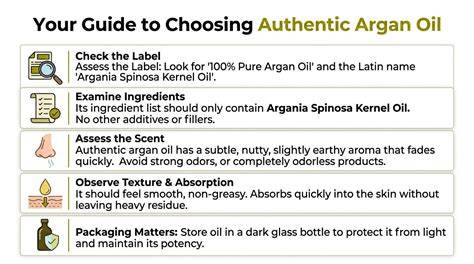
When shopping for the best argan oil for hair, make sure that it’s: 100 percent pure organic argan oil without any other ingredients, labeled for cosmetic uses, sold in a dark-colored glass bottle. Pure argan oil for cosmetic use should have no smell to it whatsoever. Culinary argan oil smells nutty and poor quality argan oil may have a strong, rancid odor. Argan oil should be sold and stored in a dark-colored glass bottle to maintain its properties. Argan oil can moisturize your hair and scalp and protect your hair from everyday damage. Argan oil is a rich, nourishing oil used in cosmetics and haircare products.
How to distribute and frequency
Strengthens and protects: The essential fatty acids in argan oil help strengthen hair strands, reducing breakage and improving overall hair resilience. You can use argan oil on your hair every day - but if you have thin hair, we’d recommend using a small amount at first, adding more product if you need to, and layering up the oil. Using too much will end up making your hair look limp and greasy. Add a small amount of oil to your hands, and rub them together to warm the oil slightly. This helps with easy distribution and absorption into your strands. Depending on your hair’s length and thickness, start with a small amount. Begin applying the oil from the mid-lengths to the ends of your hair, focusing on the areas that tend to be frizzy and dry. You can also use a few drops of argan oil as a finishing touch after you’ve finished styling your hair. For extra hydration, you can also use argan oil as a deep conditioning treatment. Remember that a little goes a long way with argan oil, so start with a small amount and adjust as needed.
Yes, you can - applying argan oil to your hair before you go to bed can provide intense hydration and nourishment. If you’re applying argan oil because of damaged, frizzy hair, our Frizz Ease Miraculous Recovery Repairing Tropical Oil absorbs quickly to nourish hair and visibly repair damage. If you’re looking to maximise the volume of your thin hair, why not give our PROfiller+ range a go? Beauty lovers know that using argan oil for hair is a must if you’re looking for strong, hydrated, and shiny hair.
Derived from the kernels of the argan tree that’s native to Morocco, argan oil is rich in nourishing ingredients (think antioxidants, vitamin E, and essential fatty acids) that have amazing benefits and fulfill those hair needs-and so much more. Below, the experts break down just how beneficial argan oil is for your hair, the possible downsides, and how to use it the right way. Read on to see why everyone is obsessed with this hero ingredient.
Who can use argan oil?
Argan oil can be used for any hair type, but the way it is incorporated into your routine will be dependent on what type of hair texture you have. Those with thicker hair can use it daily, but those with finer hair will want to use it just once or twice a week to avoid weighing hair down. You’ll want to pay special attention to the amount of product you’re working in your hair. Those with fine hair will want to use a small amount so that it doesn’t make hair look oily and those with thick or curly hair should use generous amounts to see best results.
The Downsides of Argan Oil. There are very few downsides to using argan oil on your hair and scalp. Caution against using it if you have tree nut allergies to prevent irritation. Overusing argan oil can make hair look greasy, but you just need to know how to use it properly to avoid this.
Argan Oil For Hair Growth - The TRUTH
Argan oil vs Coconut Oil. All the well-known hydrating oils that are comparable to argan oil have the same functions in our hair and skin routines. But there are subtle differences to be aware of so you can choose the right ingredient for you. Coconut oil, for example, has a thicker consistency and doesn’t absorb as easily, which can leave hair and scalp feeling greasy. Argan oil is suitable for people with all hair types, whereas coconut oil is more suitable for people with very dry or damaged hair. When compared to castor oil or jojoba oil, argan oil is gentler on the scalp and provides deeper nourishment that lasts longer.
How to Use Argan Oil. There are many ways to use argan oil as it is incorporated in a variety of products. For example, it can be used on its own as an oil or in products such as a mask, hair serum, or shampoo. The best argan oil product for you depends on what end result you’re looking for. Opt for a hair mask with argan oil for scalp dryness, letting the oil sit on your scalp for about 15 to 30 minutes. If you’re just looking for shine or a heat protectant, use an argan oil hair oil and apply it on the hair itself. For thick, curly, coily, or color-treated hair, use a generous amount daily; for fine hair, start small and apply two to three times a week.
Products can be used on either damp or dry hair. Applying it on damp hair allows for the nutrients to penetrate the hair shaft deeper and can help hair dry faster. It can also help with detangling the ends before styling when applied to wet hair. On dry hair, products with argan oil will help with tame flyaways and add shine. Organic Argan Oil NatureLab, among others, are popular picks.