Odds are, your eyebrows have been through a lot. Whether it was the over-plucking of the ’90s or simply a bad salon experience, getting thicker brows can feel tedious. Here, experts break down six tips to achieving fuller eyebrows-think Lily Collins or Zendaya levels-no microblading or transplant necessary.
Put down the tweezers
Put down the tweezers. Though it seems obvious, the first step is to stop tweezing. This will allow all your brow hairs to reach the same stage of the growth cycle, explains Chanel brow artist Jimena Garcia. “During that grow-out phase, you can keep things tidy by trimming longer hairs instead of plucking them,” she says, adding that “a little brow gel can also help tame any unruliness.” Garcia also recommends using this grow-out time to experiment with another part of your beauty routine. “Try a bold red lip, experiment with bangs you’ve always wanted, or master that chic cat eyeliner,” she offers.
Avoid harsh hair removal methods and exfoliants
Rachel Westbay, MD, a board-certified dermatologist at Marmur Medical in New York City, suggests avoiding aggressive waxing and threading, as well as harsh exfoliants. These can include retinoids, AHAs (such as glycolic and lactic acids), BHAs (like salicylic acid), and mechanical exfoliants. The skin around the eyebrows is thinner and more delicate than that on the scalp, she explains, so it’s important to focus not only on the health of the hair follicle, but the skin it grows from, too, she says, “because chronic inflammation can essentially worsen thinning.”
Pay attention to your diet
“Don’t underestimate the inside-out approach,” Garcia says. Dr. Westbay agrees, noting that adequate protein intake is important for maintaining hair health, since hair is primarily composed of protein. Additionally, “iron deficiency is one of the most common nutritional factors for hair thinning, including brows and scalp,” Dr. Westbay says. (Some iron-rich foods you can add to your diet include spinach, nuts, eggs, red meat, and dark chocolate.) Other factors include zinc, vitamin D, and certain vitamin B deficiencies, so prioritizing a well-balanced diet is key.
Focus on the ingredients in your brow serum
Ingredients in brow growth products tend to be aimed at prolonging the growth phase, reducing breakage, and improving support of the follicle, Dr. Westbay says. “That’s why you’ll often find that brow serums contain ingredients like peptides [and] conditioning agents like Panthenol.” Peptides are signaling molecules that help communicate with cells around the follicle, supporting a healthier environment for hair growth. She notes that some peptides can help stimulate keratin production while others prolong the hair’s growth phase. Her favorite is the Olaplex Browbond Building Serum. When selecting products, opt for formulas that contain less alcohol, fewer fragrances, gentler preservatives, and lighter delivery systems.
- Revitalash RevitaBrow Advanced Eyebrow Conditioner Serum
- Multi-Peptide Lash and Brow Serum
Condition your brows
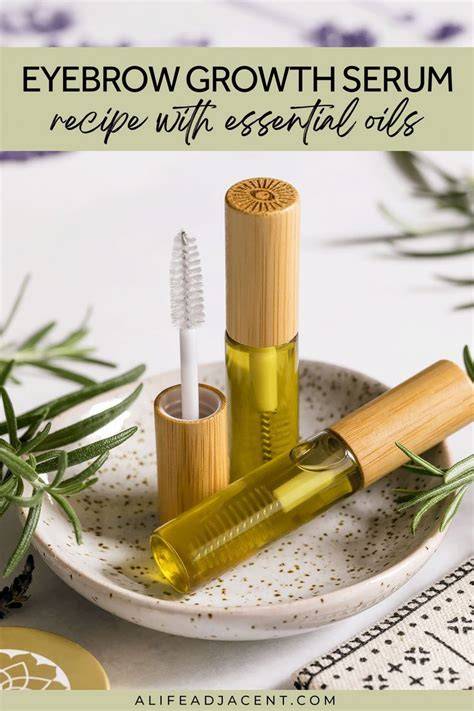
Castor oil is commonly cited as an ingredient for hair growth; however, it’s really more of a moisturizer. It can make brows look healthier, shinier, and softer, conditioning them and reducing breakage. Garcia describes castor oil as part of a “magic mix” for nourishing brows, along with sweet almond oil and vitamin E. It can be applied once a week or up to three times a week depending on conditioning needs. If sensitivities exist, skip the mix and consider alternatives like argan oil or aloe vera gel.
Try brow lamination
A more cosmetic approach to achieving thicker-looking brows is lamination, which Garcia describes as a “perm for your brows” that uses a gentle chemical solution. “When the brow hairs are straightened and lifted upward, the whole brow appears wider, so you get more width and a naturally thicker look,” Garcia says. “By setting them in that upward shape, it fills in gaps and makes everything look fluffier.”
Have a beauty or wellness trend you’re curious about? We want to know! First: Can eyebrows grow back? Deep breath - yes, your eyebrows can grow back, and they are not a total loss! Just like other hair on your body, your eyebrows will naturally regrow over time - but sometimes you need them to grow back, like, yesterday. Before we get too deep, let’s set the stage. To understand how to grow eyebrows back, it helps to know the four phases of the hair growth cycle: Anagen, Catagen, Telogen, Exogen. The entire process can take a few weeks (or even months in some cases).
Four phases of the hair growth cycle
Anagen phase (growth): This phase (the longest phase) is when hair growth occurs. Your eyebrow hairs grow about 0.16 millimeters per day. Catagen phase (transition): Hair growth begins to slow down. Telogen phase (resting): During this phase, hair doesn’t actively grow. Exogen phase (shedding): The exogen phase is when hair naturally sheds, allowing for new growth to come in. The entire process can take a few weeks to months.
1. And by that we mean: Don’t wax or pluck any part of your eyebrows while they are growing back in. 2. Certain hair and skin products can help your eyebrows grow back faster - and may even prevent hair loss. Look for gentle oils, serums, and ingredients like castor oil, coconut oil, jojoba oil, peptides, biotin, Panthenol. 3. You already know protein plays a key role in muscle recovery. But did you know that eating a protein-rich diet could support eyebrow regrowth? It’s true - protein provides the building blocks your body needs to regrow hair. 4. Eyebrow massage is an often-suggested method for stimulating eyebrow regrowth. While there isn’t much evidence that massage leads to hair growth - especially in the eyebrows - one study did indicate that regular scalp massages helped hair grow thicker. 5. Exfoliation can stimulate circulation and blood flow, promoting more hair growth. 6. Stress can slow hair growth; meditation and relaxation may support regrowth. 7. If brows aren’t returning as hoped, consult a dermatologist for guidance on interventions like microblading or grafting.
Don’t panic. Do be patient. Most eyebrows begin to regrow within two to four weeks, though full results may take longer. Don’t wax, pluck, or thread more hairs away. Do fill in with makeup to create the illusion of fuller brows. Don’t use harsh products; be gentle with your skin and brows. The time to regrow, if the cause is mild, can be two weeks to several months. If you overplucked, expect two to four weeks to see progress; if not, a longer timeline may apply. If you’re not seeing results after several weeks, consult a medical professional. In some cases, eyebrow hair loss could signal underlying conditions.
Home remedies and cautions
Cosmetic pencils, gels, and other products can help make eyebrows look thicker, but not all home remedies have strong evidence. Coconut oil hydrates and may help keep eyebrow hairs in place, though robust data is lacking. Tea tree oil and lavender oil are often touted for hair health, but scientific support for eyebrow growth is limited, and essential oils should be patch-tested and diluted. Saw palmetto is sometimes used for hair loss, but evidence for eyebrow regrowth is limited. Always patch-test new products and consult a healthcare professional if unsure.
Professional guidance and treatments
When natural methods aren’t enough, dermatologists may suggest treatments like microblading or other semi-permanent options to restore fullness. In cases of significant hair loss or follicle damage, surgical grafting might be considered. Good grooming habits-avoiding overplucking, brushing daily, and seeking professional shaping-will likely pay off after several weeks. If stress or medical conditions contribute to hair loss, addressing the underlying cause is essential.

Important note: if you notice sudden or patchy thinning, consult a primary care physician or dermatologist to diagnose potential underlying conditions. Eyebrow regrowth is influenced by hormones, age, medications, and health status, and results vary by individual.
| Approach | Why it helps | Typical timeline |
|---|---|---|
| Stop plucking | Allows follicles to cycle normally | 2-4 weeks to see initial growth |
| Diet and protein | Provides building blocks for hair | Weeks to months for noticeable change |
| Peptide serums | Supports follicle environment and growth phase | Weeks to months for visible results |
| Brow lamination | Creates appearance of fuller brows | 1-2 months for full effect |