Filling in eyebrows to look natural is a common challenge, and the right technique can make even sparse brows appear fuller without looking artificial. A well-shaped brow can lift the eyes and harmonize facial features, while the wrong approach can create a blocky, fake appearance. The key is to blend, mimic hair-like strokes, and use the appropriate product for your desired density and finish.
Understanding natural shading and the goal
Eyebrow pencils are incredibly versatile and a good place to start. The best eyebrow makeup and products to use depends on the style you wish to create. Eyebrow gels are ideal for a soft, brushed up effect; opt for a strong hold, clear formula for a brow lamination effect or a tinted gel to act as a brow filler that adds instant volume. Eyebrow pomades are long-lasting, budge-proof formulas that are ideal for when you need ultra long wear, or if you have oily skin.
How to avoid a fake look
Filling in eyebrows without them looking fake is one of the most common brow dilemmas. Many people just pencil in eyebrows across their entire shape, which is when you end up with that blocky, unnatural look. Use a light hand: when you use a lot of pressure to apply, more product will come off and the colour may be darker. Use hair-like strokes: instead of drawing through the brow, add in short strokes that mimic your natural brow hairs. When it comes to creating fuller looking brows, simply drawing them on thicker and darker is not the solution.
Step-by-step technique for natural, hair-like shading
- Fill in sparse areas with a brow pencil or powder using hair-like strokes, starting at the tail and moving toward the front for a natural fade.
- Brush the brows up and through with a spoolie to blend product into the real hairs and soften the edges.
- If desired, set with a clear or tinted brow gel to add volume and hold without stiffness.
- For added realism, blend with a very light touch and build color slowly-you can always add more, but you cannot remove excess instantly.
Fill in sparse areas where needed then take a spoolie and brush color into brows over and over again. The more blended-in, the more natural-looking. Even if you're not filling them in and are simply using a clear brow gel, brush your eyebrow hairs up as much as possible. Use a super-fine tipped pencil like a defining eyebrow pencil and "draw" in little hairs.
Shaping principles by face shape
Eyebrows are strongly connected to overall facial balance. All angles of the face are determined by the brows: they can lift the eyes; narrow or widen the face. While there are many opportunities here, it is important to let your natural shape be your guide. The highest point of the arch should be just at the outer edge of the eyeball. The outer brow should taper off to a point that intersects with an imaginary line drawn from the outer nostril past the outer edge of the eye.
For different face shapes, consider these guiding ideas:
- Round face: Direct the outer third of the brow towards the top of the ear to create a sharper angle, counterbalancing roundness.
- Oval face: Direct the outer third of the brow toward the earlobe to maintain balance and elegance.
- Square face: Direct the outer third of the brow toward the middle of the ear to soften strong jawlines.
- Long face: Keep the brow straighter across and direct it above the ear to visually shorten the face.
Product choices and application tips
Grooming and preparation are essential. Start with the brows brushed up, combed through, and any stray hairs plucked to shape. For texture and fullness, blend with a brow powder or a tinted gel. Lightly stroke to mimic hairs and avoid heavy blocks of color. If you have sparse patches, apply color with short, fine strokes to imitate natural hairs rather than shading in a large block of color.
Popular tools and finishes include:
- Pencils for fine, hair-like lines
- Powders for softer shading and diffused color
- Pomades for long wear and defined shapes
- Tinted gels for volume and hold
- Clear gels for setting and a natural finish
Maintenance and removal
When removing makeup from eyebrows, you can use the same cleanser you would to remove eye makeup. For best results, work the product in gently and rinse thoroughly. After removal, soothe the area with a fragrance-free cream or aloe-based product to prevent irritation.
Practice and personal customization
Every makeup artist will tell you eyebrows are the most important facial feature because they frame the eyes and influence perceived facial expression. Practice makes perfect: with time, you will learn how your brows respond to different products and strokes, and you’ll refine your technique to look natural for your face shape and skin type. Consider a Face Mapping approach or a similar method to identify the most flattering shape for your features, especially if you’re considering a semi-permanent treatment later on.
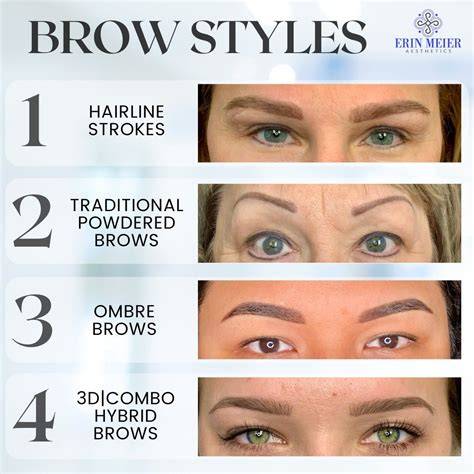
Brow Outlining & Shading for Microshading, Powder Brows, Combo Brows, & Ombrè Brows ✨💖
Common mistakes to avoid
- Overfilling front portions; aim for softer, lighter hairs there to avoid a flat front.
- Choosing the wrong shade; match the brow color to the hair color or undertone rather than the shade of the skin.
- Using heavy products in oilier skin; opt for long-wear formulas and set with a gel to prevent smudging.
- Neglecting symmetry; brows are not perfectly identical, but aim for balanced shaping rather than exact twins.
The art of natural shading lies in restraint, proper tool selection, and careful, hair-like strokes. With patience and practice, you can achieve fuller-looking brows that appear effortless and true to your natural features.