In the realm of intimate grooming, softening pubic hair is a process, much like smoothing the hair on your head. This guide aggregates practical tips and experiences from hands-on testing and everyday care, focusing on comfort, skin health, and personal preference.
Why soften pubic hair and how it fits into self-care
Pubic hair serves protective and self-expression roles, offering shielding, a natural sense of personal care, and a unique feature of self-expression. Natural lubrication and scent communication are often cited as part of the broader biology of pubic hair, with care routines emphasizing comfort and skin health. The decision to soften or maintain a natural look is deeply personal and influenced by daily activities, hygiene, and intimate life.
Moisturizing and soothing options
Moisturizers: There are products for your sensitive area that help soften hair and protect skin, with a preference for fragrance-free formulas to avoid irritation. A gentle moisturizer can reduce friction and chafing, supporting a more comfortable daily routine.
Condtioning and oils: A dedicated pubic-hair oil can soften texture and support skin health. The right blend of carrier oils can provide slip, nourishment, and a mild scent that isn’t overpowering. In trials, users report immediate silkiness and a lasting, though sometimes not permanent, feel of softness when the product is actively used.
Vitamin E and lightweight oils: Oils rich in vitamin E can help with skin conditioning and pores, contributing to a smoother feel. A light, non-greasy approach tends to be preferred for everyday wear, especially when paired with fresh showers and post-shower moisturization.
Trimming for comfort and practicality
Trimming down pubic hair to a comfortable length is one of the safest options for reducing itch and keeping hair from tangling in clothes or causing discomfort. A neat trim helps minimize snagging and can contribute to an overall feeling of ease in day-to-day activities.
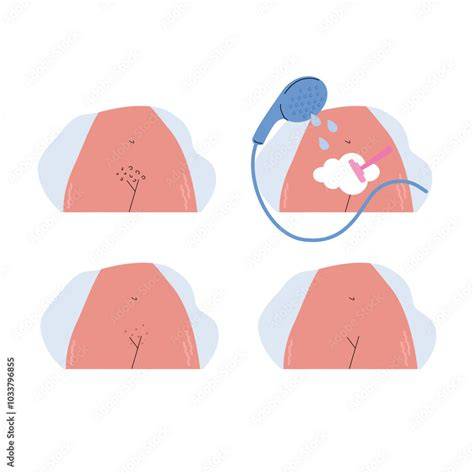
Shaving and waxing considerations: Shaving can yield a smooth result but carries risks of razor burn, ingrown hairs, and irritation. If shaving, use a clean, sharp razor, shave in the direction of hair growth, and apply a barrier of lubricant. Waxing provides longer-lasting smoothness but comes with potential skin irritation and burns. For those who prefer gentler options, sugar wax is often favored for sensitive areas.
Laser hair removal as a long-term option: Laser treatments offer a reduction in hair growth over time and should be performed by a licensed professional who tailors the approach to skin and hair color.
Product-focused approaches and experiences
Fur Oil and similar products: A line of pubic-hair-specific care products (such as Fur Oil) is designed to moisturize, soften, and reduce ingrown hairs. Key ingredients typically include grape seed oil, jojoba oil, tea tree oil, and clary sage seed oil. Users report easy application, minimal staining of underwear, and an immediate softening effect during use, though lasting effects may be mild and require ongoing use for maintenance.
Usage patterns: Daily or routine application after a shower, with a preference for products that do not irritate sensitive skin. Some testers note that while the oil softens hair and improves feel, the effect is not permanent once usage stops. Scent strength can be noticeable, particularly tea-tree notes, which may influence the decision to avoid direct oral contact shortly after application.
Individual experience and personal choice: The pubic area is delicate, and care routines should prioritize comfort, skin health, and consent with oneself and partners. Some individuals enjoy keeping hair natural, while others opt for trims, removal, or gentle softening as part of their broader grooming regimen.
Practical care tips for comfort and health
- Moisturize regularly: Use fragrance-free, alcohol-free moisturizers to maintain softness and skin health.
- Trim for comfort: Use sharp scissors or appropriate trimmers to manage length without causing skin irritation.
- Shaving safety: If shaving, shave in the direction of hair growth with a clean blade and a lubricating product to minimize irritation.
- Post-care: After removal or trimming, wash gently and apply a light moisturizer or oil to soothe exposed skin.
- Patch test: Test any new product on a small area to check for allergic reactions before broader use.
Understanding removal methods and choosing what’s right for you
Pubic hair removal methods vary and each carries its own safety considerations. No single method fits everyone; the choice depends on personal preference, comfort, and skin sensitivity. Consider trimming for a low-risk approach, or explore shaving, waxing, sugar waxing, or laser hair removal with awareness of potential irritation and aftercare needs.
Common concerns and how to address them
Razor burn and ingrown hairs: Razor burn presents as a red rash and tender bumps, while ingrown hairs occur when the hair grows back into the skin. Folliculitis can result from bacteria and unclean tools. Combat these issues with proper lubrication, clean tools, and post-care routines like warm compresses and gentle cleansing.
Ingrown hair management: If an ingrown hair appears, a warm compress can help surface the hair, after which clean tweezers (sterilized) can assist in removal. Maintain cleanliness to reduce infection risk and apply a soothing, fragrance-free moisturizer afterward.
Final thoughts on personal care and style
Pubic hair plays a complex role in personal hygiene, safety, and self-expression. The decision to soften, trim, or remove is a personal one grounded in comfort and practicality. Whether you choose a natural bush, a trimmed style, or a fully bare look, the focus should be on care, skin health, and what makes you feel confident.
Practical summaries and examples drawn from experiences
Natural bush and practical trimming: For many, keeping a natural growth with occasional trimming offers a balance between ease and appearance. The patch of hair can be kept comfortable with light trimming and routine moisture.
Having a dedicated care routine: A routine that includes showering, moisturizing, and applying a softening oil can create a spa-like feel and support smooth texture. Individual experiences vary, but consistent care tends to improve comfort and texture while maintaining skin health.
Product testing and personal care rituals: A trial of pubic-hair-specific oils can demonstrate noticeable short-term softness and skin-smoothing effects, with the caveat that results may not be permanent once usage stops. Scents and texture preferences should guide product choices to maintain comfort and satisfaction.
MY SHAVING ROUTINE | full body | tips for smooth skin & no ingrowns
Design and design variations for pubic hair styles
Popular styles range from Natural Bush to Landing Strip, Bikini/Speedo trim, Brazilian, and other customized shapes. Each style reflects a personal choice and comfort level, with safety and skin health kept in mind during trimming or removal.
Moisturizing and conditioning remains essential across styles, using fragrance-free formulas and gentle application to protect delicate skin around the genital area.
| Method | Pros | Cons |
|---|---|---|
| Trimming | Low risk, comfortable, quick | May require frequent maintenance |
| Shaving | Very smooth result | Razor burn, ingrown hairs |
| Sugar wax | Gentler than traditional wax, suitable for sensitive areas | Can cause irritation for some |
| Waxing | Longer-lasting smoothness | Potential burns and irritation |
| Laser | Reduces hair growth over time | Costly, requires professional |