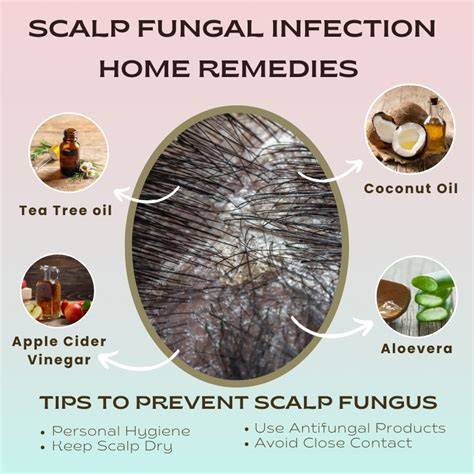
Tinea capitis, also known as scalp ringworm, is a contagious fungal infection of the scalp and hair follicles. It is caused by dermatophyte fungi and is especially common among children, though adults can be affected. Effective treatment typically requires systemic antifungal therapy, often in combination with antifungal shampoos, and, crucially, adherence to a structured care plan to prevent spread and recurrence. This article draws on guideline-based evidence and clinical reviews to present a practical, at-home approach to managing tinea capitis in English-speaking settings.
What is tinea capitis and why does it matter?
Tinea capitis is a fungal infection that targets the scalp hairs and surrounding skin. It is not caused by a worm, despite the name “ringworm.” The infection can present as itchy, scaly patches with hair breakage, and in inflammatory cases, kerion formation may occur, causing swelling and pus. Early recognition and treatment are essential to prevent scarring alopecia and prolonged hair loss.
Key causes and transmission
Tinea capitis is caused by dermatophyte species that invade keratin in hair and skin. Common organisms include Trichophyton tonsurans and Microsporum canis. Transmission occurs through direct contact with an infected person, sharing contaminated items (combs, brushes, hats, towels), or contact with animals and contaminated environments. The infection is highly contagious, particularly in settings like schools and daycare, and can spread via fomites and close contact.
Clinical presentation and diagnosis
Clinical signs range from non-inflammatory patches with scaling to inflammatory kerions. Common symptoms include itchy patches, hair shedding, red or crusted areas, and sometimes swollen lymph nodes in severe cases. Diagnostic steps may include physical examination, direct microscopy with potassium hydroxide preparation, fungal culture, and, when available, Wood’s lamp examination to identify fluorescing hairs associated with certain species.
At-home management: what you can do alongside medical treatment
Important note: while home remedies and hygiene measures can support therapy, they do not replace prescribed antifungal medications. Always follow your healthcare provider’s instructions and complete the full course of therapy. The following at-home steps are designed to reduce transmission, support scalp health, and complement medical treatment.
- Adhere to prescribed systemic antifungal therapy - Oral antifungals such as terbinafine or griseofulvin are commonly used, with durations typically ranging from 4 to 8 weeks depending on the drug and the fungus. Do not stop early without medical advice. In some cases, a clinician may adjust therapy based on the specific organism or response to treatment.
- Use antifungal shampoo as advised - Shampoos containing ketoconazole, selenium sulfide, or zinc pyrithione are often recommended to reduce fungal spores on the scalp and limit spread. Apply as directed and continue alongside oral therapy, even if symptoms improve.
- Practice thorough scalp hygiene - Wash hair regularly with appropriate antifungal shampoo, and rinse well. Gently pat dry; keep the scalp as dry as possible between washes to minimize fungal growth.
- Avoid sharing personal items - Do not share combs, brushes, hats, pillowcases, towels, or other haircare items. Clean or replace items that contact the scalp to reduce reinfection risk.
- Disinfect hair tools and laundering routines - Soak combs and brushes in a solution of half bleach and half water for about 1 hour daily during active infection. Launder towels and bed linens in hot water after each use.
- Address household contacts - All household members may need evaluation and, if indicated, treatment to prevent transmission. Provide guidance to schools and caregivers about minimizing spread in communal settings.
- Minimize scalp humidity - Avoid tight headwear and reduce scalp moisture, which promotes fungal growth. After showers, dry the scalp thoroughly and consider breathable fabrics for head coverings if needed.
- Consider supportive natural measures with caution - Some natural products (e.g., diluted apple cider vinegar, tea tree oil, coconut oil, turmeric) are discussed as potential adjuncts. They should never replace antifungal therapy and should be used only after discussing with a clinician, as some individuals may be sensitive or allergic to essential oils and acidic substances. Use these with care and discontinue if irritation occurs.
- Monitor for signs that require medical re-evaluation - If there is no improvement after a full course of antifungal therapy, if symptoms worsen, or if a kerion develops, seek prompt medical reassessment. Do not adjust medications without professional guidance.
What to expect during treatment
With timely and appropriate systemic antifungal therapy, tinea capitis can begin to improve within a few weeks. Complete resolution, including regrowth of hair in previously affected areas, may take several weeks to months. Scalp health improves as the fungus is cleared, but scarring alopecia is a potential risk if treatment is delayed or ineffective.
When to seek medical care promptly
Seek medical attention if you notice signs such as extensive hair loss, rapidly enlarging patches, severe inflammation or kerion formation, fever, or persistent worsening despite treatment. A clinician may reassess the diagnosis, perform additional tests, adjust medications, or consider alternative therapies based on culture results.
Prevention and school policies
Preventing spread is crucial in households and schools. Screen close contacts, discourage sharing of hair accessories, and ensure environments like schools implement appropriate infection control practices. If several children are affected in a class, public health guidance may be considered to prevent ongoing transmission.
Table: Common antifungal options in pediatric tinea capitis
| Medication | Typical Duration | Notes |
|---|---|---|
| Terbinafine | 4-6 weeks | Often first-line; effective against Trichophyton species; not universally licensed for children in all regions, follow local guidance. |
| Griseofulvin | 6-8 weeks | Traditionally used; requires fatty meals for absorption; monitor for liver function and pregnancy considerations in women of childbearing potential. |
| Itraconazole / Fluconazole | Varies by protocol | Alternative in resistant cases or intolerance to first-line agents. |
What not to do during treatment
Avoid using non-prescribed creams or ointments over large areas without medical advice. Do not delay medical evaluation if symptoms are concerning or if there is loss of hair or extensive inflammation. Do not rely solely on home remedies as the primary treatment for tinea capitis.