You've likely heard of volumizing shampoo, purple shampoo, and maybe even bonding shampoo. But blue shampoo is another, lesser-known, type of shampoo on the market-and it can seriously benefit all the lightened brunettes out there. Rest assured, it won’t turn your strands blue: What it can do is help them look shiny and vibrant between coloring sessions.
Blue shampoo is a haircare formula specifically made to help tone brassy brown hair. The tinted formula deposits cobalt or indigo-colored pigments onto hair’s surface to help eliminate unwanted orange tones, restoring brunette locks to a cooler, more neutral color. The concept goes back to color theory: Blue and orange are contrasting shades that can help cancel each other out when combined.
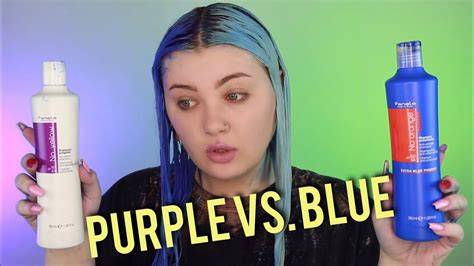
Blue shampoo isn’t just for color-treated, light brown hair, either. Blue vs. Both blue and purple shampoos are color-correcting products that can help minimize visible brass in color-treated hair. What differentiates them, however, is the shade of brass they’re designed to target. Purple shampoo offsets yellow undertones that can appear in lighter hair colors (ranging from platinum blonde to gray), whereas blue shampoo counteracts orange tones that can crop up in brunettes. Choosing between blue or purple shampoo ultimately boils down to how light or dark your hair color is.
While you can sometimes use purple shampoo on certain shades of brown hair, the inverse generally isn’t true for using blue shampoo on blonde hair. That’s because purple shampoo can help tone and sharpen highlighted accents in brown hair (think balayage or ombré) without “staining” the darker areas of your hair with purple pigment. When you use blue shampoo on light blonde hair, on the other hand, the saturated dyes can make pale strands appear gray, ashy, or even slightly blue in color.
It’s important to note that blue shampoo (and purple shampoo, for that matter) can’t lift or lighten your strands. These types of toning shampoos can only deposit temporary pigments onto your hair’s surface to help balance, refresh, and brighten existing highlights and hair color. You shouldn’t use blue shampoo as frequently as your regular shampoo-only as needed to reduce visible brass. Typically, washing with blue shampoo results in an instant brightening effect that can eliminate orange tones for 2-3 washes. However, applying more blue shampoo before the effects of the first application fade can backfire: With no more orange to adhere to, depositing more blue pigment onto your hair shaft can actually darken your strands or make your color appear muddy. As such, try to swap a blue shampoo into your routine about once a week to reap its benefits without risking discoloration.
Using a blue shampoo on brown hair is fairly straightforward, but the instructions can vary depending on your chosen formula. We always recommend reading the label of your shampoo to gauge whether there are any specific directions to follow.
- Knowing when to use blue shampoo is only part of the puzzle-you’ll also have to determine how much you’ll need to apply. Spoiler: It’s usually a bit more than a traditional cleansing shampoo. Regular shampoo generally should be concentrated on your roots and scalp to help wash away oils and other buildup-you don’t need to use enough to coat your entire head of hair. Blue shampoo, meanwhile, is best applied from roots to ends to ensure the blue pigments are evenly distributed throughout your hair, which calls for more product. Typically, shorter hair needs about a dime-sized amount of blue shampoo, while longer lengths require about a quarter. There isn’t a definitive rule, though.
- Most blue shampoos still offer cleansing benefits, so be sure to gently knead the formula into your scalp to help dislodge any buildup. Then, massage the shampoo through your lengths so the blue pigments can fully envelop your hair.
- Whatever your hair type, you shouldn’t skip conditioner-especially when you have color-treated hair. If your blue shampoo has a corresponding blue conditioner, use that to maximize the toning benefits. If not, opt for a conditioner or hair mask to help restore shine and softness to your mane. For dry hair, consider the L’Oréal Paris EverPure Sulfate Free Moisture Conditioner to deeply replenish hair with moisture and keep color pure for up to four weeks. Those with damaged hair, such as highlighted brunettes, can try the L’Oréal Paris EverPure Sulfate Free Bond Repair Conditioner to help rebuild weakened hair bonds and strengthen strands. Work your conditioner from the mid-shaft to the ends of your hair, avoiding the roots.
- After showering and towel-drying your hair, apply a leave-in like L'Oréal Paris Elvive Hyaluron + Plump Moisture Plump Serum to damp hair for added moisture and hydration. If you plan to reach for hot tools post-washing, always use a heat protectant first and turn your stylers to their lowest temperature settings. Heat styling can quickly dull your hair color-and that’s likely the last thing you want after toning your tresses.
Brass is wonderful when it comes to antique lamps, key rings and marching bands. But when it comes to your blonde or brunette hair, not so much. Unwanted brassy tones can be the number one buzzkill for the cool hair color you crave. Perhaps you have heard things about blue and purple shampoos as antidotes for brassy hair, but you are not sure what they do and how they work. Well, you are in luck. Blue shampoo contains blue-violet pigments that are deposited into the hair when you shampoo. Every hair color has underlying warm tones that are exposed when hair is lightened with hair color or bleach. Lighter hair color has underlying yellow tones when lifted. So if you have blonde highlights or you lighten your hair to an all-over blonde, you may notice the lightened hair may become dingy and yellowish over time as repeated shampooing, the sun and thermal tools all strip away the cool tone and expose the underlying warmth. If you look on a color wheel, you will see that every color can be neutralized by its opposite.
If you are a brunette, and you have lighter balayage, ombré or conventional highlights; if you’ve lightened your dark brown hair completely, or if you have a combination of lighter hair with highlights, blue shampoo is your solution for brassiness. It all goes back to that color wheel. If you study your wheel, you notice that purple is the opposite of yellow. Knowing that lighter natural hair colors tend to become yellow as they lift, hairstylists recommend using a purple shampoo to cancel the unwanted yellow tones. Bottom line? If you’re blonde, opt for purple shampoo. Hairstyling pros recommend sudsing up with blue shampoo once a week to cancel orange or red tones out of brown hair color. For more toning, leave it in your hair for two or three minutes before rinsing. Don’t worry if your blue shampoo hits the shower tile--it will rinse out.
Matrix pros like to recommend a full system that will not only tone brassy brunette hair color but will also strengthen and condition the hair. Their system of choice is Matrix Total Results Brass Off. Brass Off Custom Neutralization Mask, for hair that needs a conditioning and toning upgrade. This highly pigmented blue-violet formula neutralizes and eliminates brassy/orange tones to maintain lightened hair. “Inspired by celebrities like J-Lo and Sofia Vergara, more and more of my brunette clients are requesting highlights and lighter overall base shades,” comments Matrix Artistic Director Robert Santana.
Purple shampoos may be a blonde’s best friend, but washing hair with the best blue shampoo can help brunettes banish brassiness and achieve a cool, even hue. Similarly to purple shampoos can help keep blonde hair more icy than yellow, these formulas help neutralize the telltale orange and yellow tones that can appear in brown hair in order to keep the color rich and shiny. To round up the best of the blue-tinged bunch, we tapped two pro hairstylists to weigh in on the formulations that counterbalance unwanted warmth while offering additional perks, like color protection and added moisture. After all, what’s a cool new color without shine, bounce, and silky texture?
Best blue shampoos for brunettes and beyond
With that in mind, scroll ahead to browse our hairstylist-vetted picks for the best blue shampoos a brunette can buy-with bonus selections for blondes and gray hair, too.
- Best Overall: dpHue Cool Brunette Shampoo
- Best for Color-Treated Hair: Bondi Boost Brunette Booster Shampoo
- Best for Light-Brown Hair: Matrix Brass Off Blue Shampoo
- Best Highlighted Brunettes: John Frieda Blue Crush for Brunettes Blue Shampoo
- Best for Blondes: Davines Heart of Glass Silkening Shampoo
- Best for Gray Hair: Aveda Blue Malva Shampoo
- Best for Damaged Hair: Virtue ColorKick De-Brassing Shampoo
- Best for UV and Heat Protection: Joico Color Balance Blue Shampoo
- Best for Curls: DevaCurl No-Poo Blue
- Best for Detangling: Milk Shake Cold Brunette Shampoo
- Best for Shine: Eva NYC Brass to Sass Brunette Shampoo
Frequently Asked Questions
- Which blue shampoos work best? Look for blue shampoos that pair the pigment with a blend of reparative, moisturizing, or protective ingredients. For a shine-inducing, deeply nourishing pick, Cavalcante prefers dpHue’s silk protein-infused shampoo. Meanwhile, Allure editors rely on Virtue’s ColorKick to bring color back to life.
- Do blue shampoos really work? Yes, blue shampoos balance color by neutralizing warmth in brown hair. They’re not magic, but they help reduce brassiness between visits.
- What is the difference between blue shampoos and purple shampoos? Purple targets yellow tones in blonde/gray hair, while blue targets orange tones in brunettes. They neutralize opposite colors on the color wheel.
- How do you get the best results from a blue shampoo? Use it once a week, don’t overstay beyond three minutes, and avoid muddy tones by not overusing it.
Meet the Experts
- Rogerio Cavalcante, hairstylist and owner of The Second Floor Salon in New York City
- Temur Hamilton, hairstylist and owner of Temur Salon in New York City
How We Test and Review Products
We evaluate blue shampoos for color-correcting efficacy, scalp gentleness, scent, and added conditioning or protective benefits, then share recommendations based on hair type and color goals.